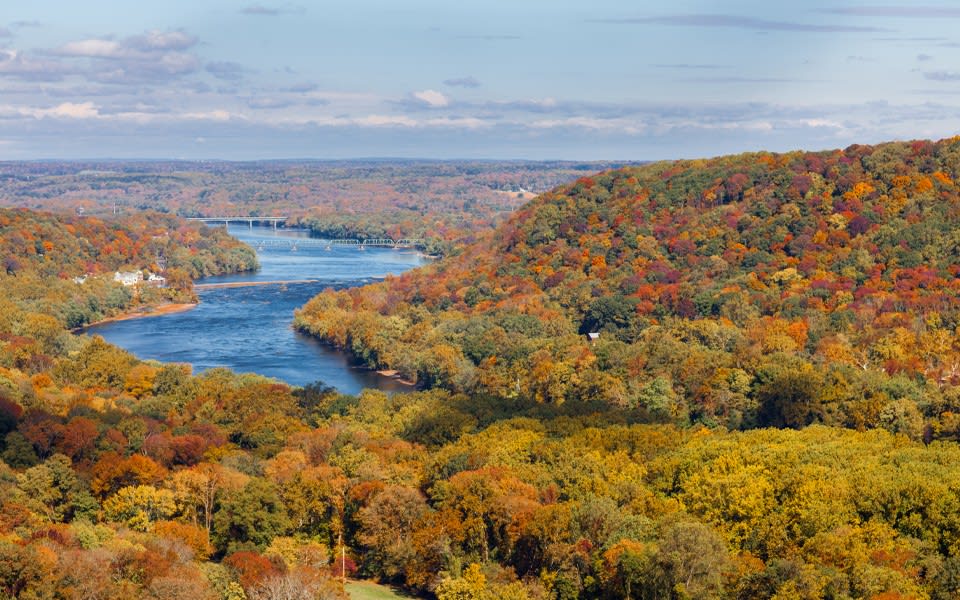
Tucked along the banks of the Delaware River, Fishtown has emerged as one of Philadelphia’s most dynamic, creative, and fast-evolving neighborhoods. Once a working-class enclave defined by its riverfront industry, it is now a vibrant hub where history, art, food, and modern urban living intersect in a way that feels distinctly and authentically Philadelphia.
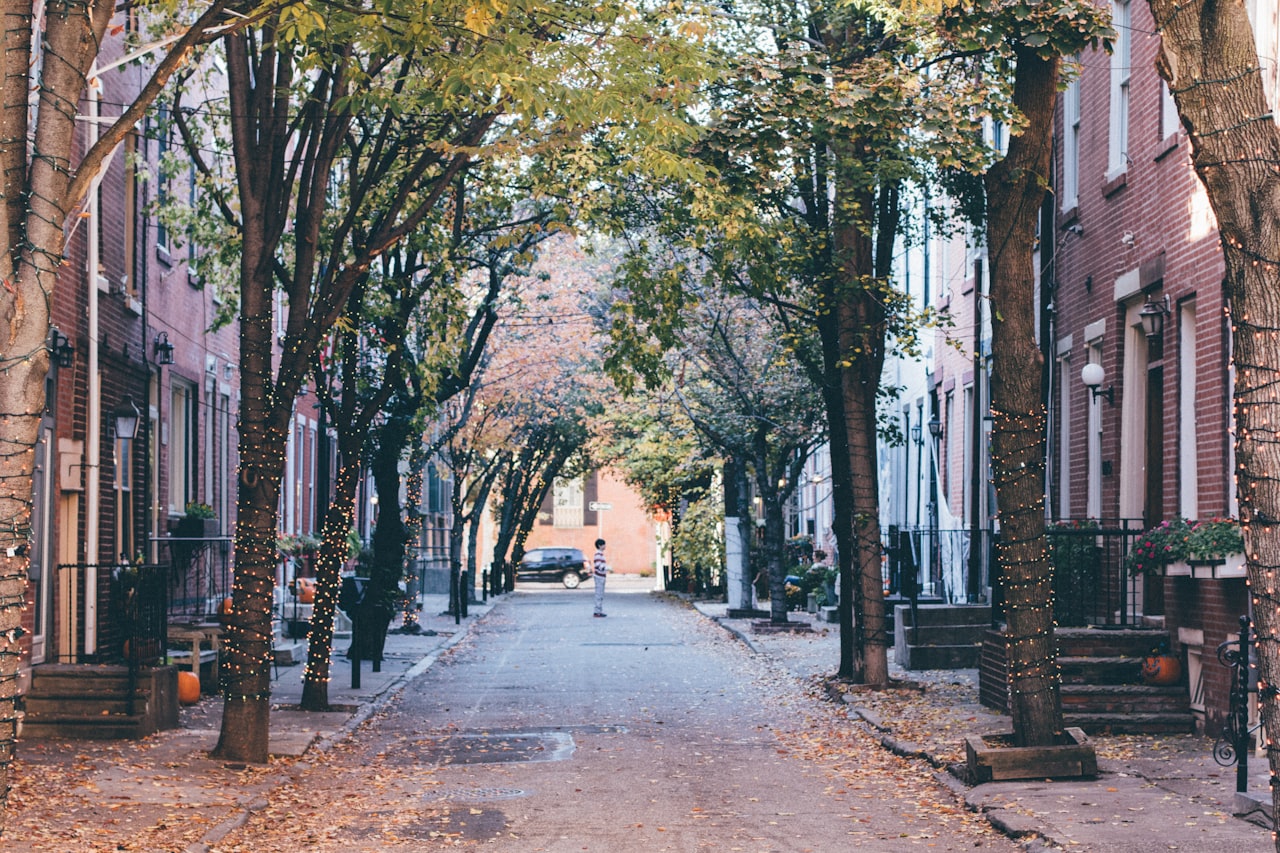
Brimming with energy yet rooted in tradition, Fishtown attracts a mix of long-time residents, young professionals, families, and creatives who are drawn to its walkable streets, thriving restaurant and music scene, and strong sense of neighborhood pride. Here, a quiet rowhouse block can sit just steps from a nationally acclaimed restaurant, an intimate music venue, or a tucked-away coffee shop, creating a uniquely textured lifestyle that feels both neighborhood-centric and cosmopolitan.
The story of Fishtown begins long before its brick rowhouses and murals. The area was originally inhabited by the Turtle Clan of the Lenape Indian tribe, who lived along the Delaware River and relied on its waters for sustenance and trade. European settlement began with Swedish farming families, followed by British shipbuilders and German fishermen in the 18th century.
By the time Philadelphia was growing into a major American port city, this stretch of riverfront had become a bustling commercial shad-fishing hub. The name “Fishtown” was born from this industry, a nod to the generations of fishermen and workers whose livelihoods were tied to the river. Over the centuries, the neighborhood transitioned from a modest fishing village to a dense industrial and residential area, shaped by factories, shipyards, and tight-knit working-class families.
Although the industries that once defined Fishtown have largely faded, the neighborhood’s character—resilient, resourceful, and community-driven—remains deeply rooted in this history.
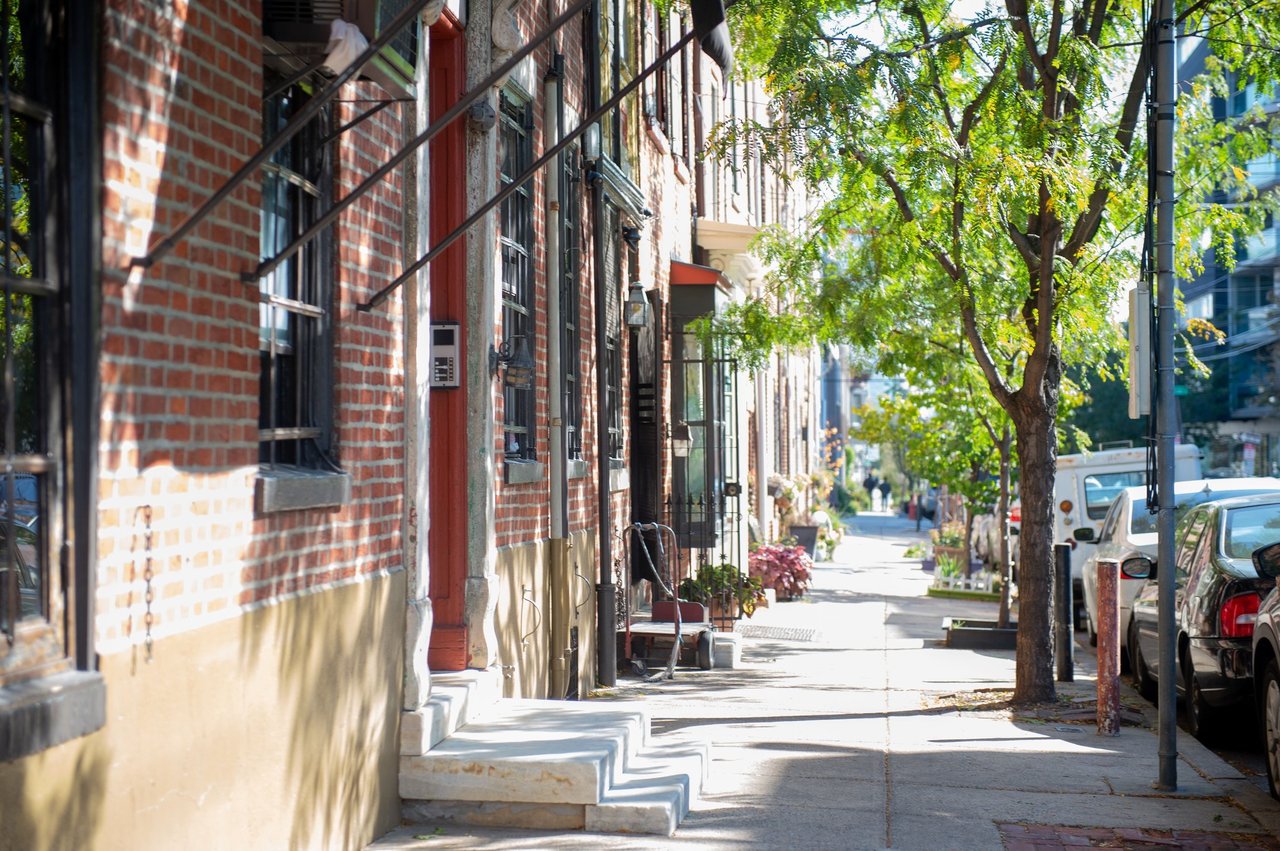
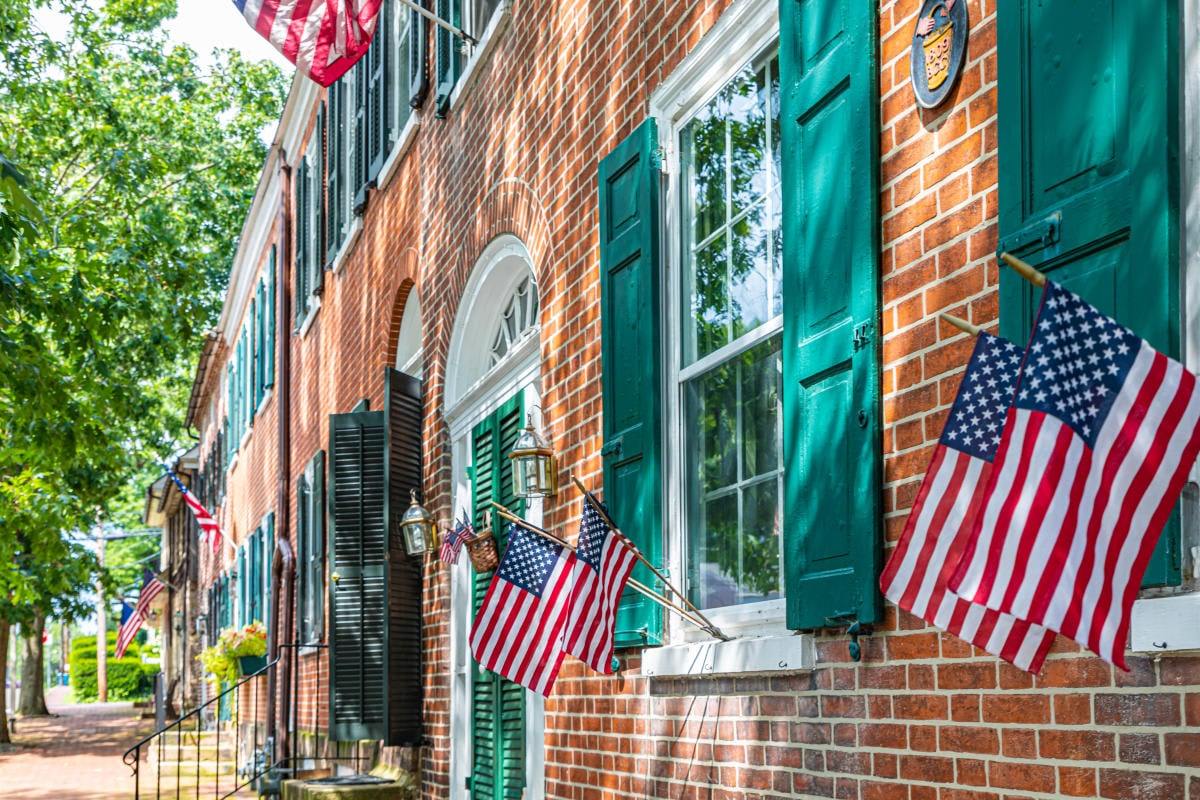
Today, Fishtown is a study in contrasts and harmony. Narrow streets are lined with a blend of classic brick rowhouses, creatively adapted warehouses, and strikingly modern townhomes and condos. This architectural mix reflects the neighborhood’s evolution: a place where long-standing traditions meet bold, contemporary design.
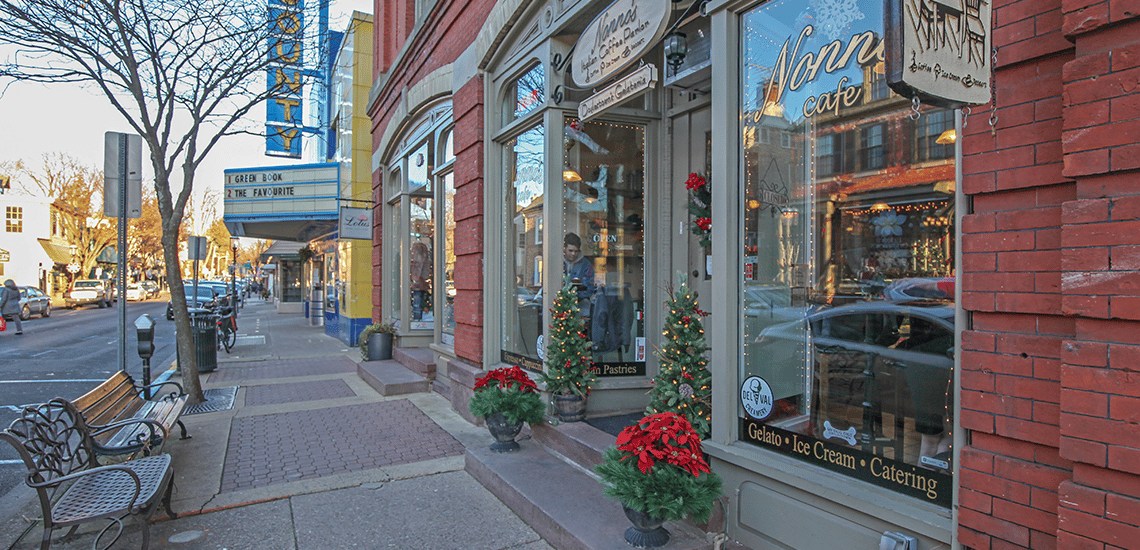
The population mirrors this diversity. Lifelong residents who remember the neighborhood’s industrial days live alongside newcomers drawn by its cultural cachet, restaurant scene, and proximity to Center City. Local institutions—corner bars, churches, family-owned shops—stand next to sleek cafés, co-working spaces, and creative studios. Rather than erasing its past, Fishtown has layered new energy and ideas on top of its historic foundation.
Fishtown’s culinary reputation extends far beyond Philadelphia. The neighborhood is now a dining and nightlife destination in its own right, attracting food lovers and bar-hoppers from across the region.
Within just a few blocks you can move from inventive, chef-driven restaurants to beloved cheesesteak spots and neighborhood taverns that have been serving regulars for generations. Craft breweries, cocktail bars, and natural wine spots add depth and variety, while coffee roasters and bakeries keep the mornings just as appealing as the evenings.
Live music and entertainment are woven into the fabric of the neighborhood. Intimate venues and larger performance spaces host everything from emerging local bands to nationally touring acts. On any given night, you might hear music drifting out onto the sidewalk, see people lining up for a show, or catch a DJ set at a tucked-away bar.
Whether you’re looking for a quiet café to work from, a polished spot for dinner and drinks, or a late-night hangout with friends, Fishtown offers an impressively eclectic range of choices—all within a walkable, neighborhood-scale setting.
Fishtown’s identity as a creative hub is unmistakable. Artists, designers, musicians, and makers have long been drawn to its industrial bones and relatively approachable spaces, transforming former warehouses and corner storefronts into studios, galleries, and performance spaces.
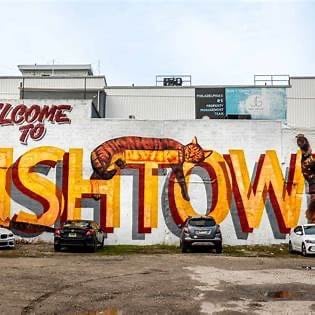
Public art is part of the streetscape—murals, installations, and graffiti pieces add color and personality to alleys, underpasses, and side walls. Pop-up shows, gallery events, and neighborhood festivals highlight local talent and make art feel accessible rather than tucked away.
This artistic energy doesn’t exist in a vacuum; it informs the way the neighborhood feels and functions. It shows up in thoughtful storefront design, creative signage, curated shop selections, and the general sense that Fishtown is a place where ideas are welcome and experimentation is encouraged.
Despite its buzz and rapid evolution, Fishtown retains a distinctly neighborhood feel. Rowhouse blocks foster close connections between neighbors, and long-standing traditions—from local parades to block parties—coexist with newer events and gatherings.
Residents enjoy an urban-suburban blend of lifestyle:
The convenience of city living, with groceries, cafés, bars, boutiques, and transit all within a short walk.
A close-knit community atmosphere, where you’ll quickly recognize familiar faces and favorite spots.
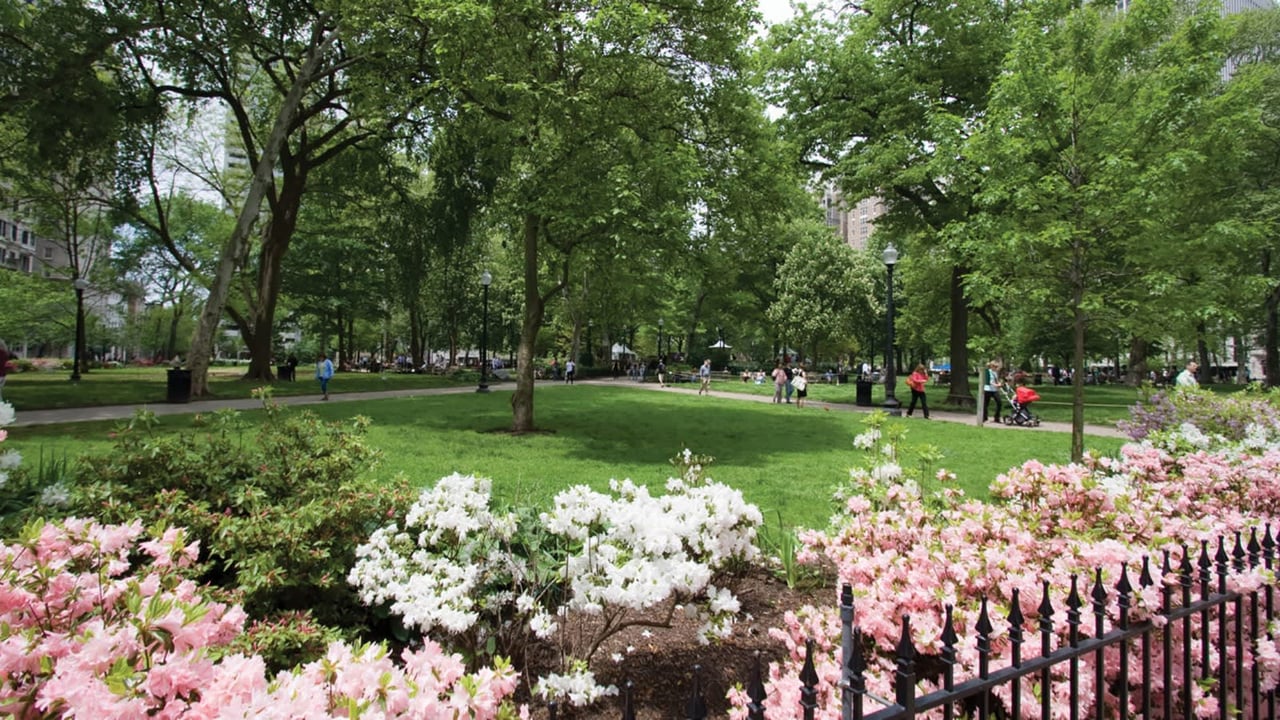
Access to green spaces, playgrounds, and pocket parks that offer a breather from the urban grid.
For commuters, Fishtown’s location is a major draw. The neighborhood sits just northeast of Center City, making it an attractive base for professionals who want a short commute without sacrificing character, or for those who split their time between office, remote work, and creative pursuits.
Fishtown is served by the School District of Philadelphia, with neighborhood schools such as Alexander Adaire School and Penn Treaty School providing educational options for local families. The presence of these schools underscores the area’s growing appeal to residents with children, as more families choose to stay in the city rather than relocate to the suburbs.
In addition to public schools, families may explore nearby charter and private school options elsewhere in the city, reflecting the wider educational ecosystem that Philadelphia offers.
Accessibility is one of Fishtown’s standout features. The neighborhood is well-connected to the rest of Philadelphia and beyond, making car-free or car-light living a realistic option for many residents.
The Market–Frankford Line (the “El”) runs through the area, providing quick, direct access to Center City and University City.
The historic Route 15 trolley along Girard Avenue offers another convenient and character-filled transportation option.
Bike lanes, bus routes, and major roadways make it easy to move throughout the city or connect to regional highways.
For those who travel frequently, the neighborhood’s location also provides relatively straightforward access to major bridges, interstates, and regional rail connections.
Fishtown stands as a powerful example of how a neighborhood can honor its history while fully embracing the future. Its evolution from a working-class fishing and industrial district into a creative, culinary, and cultural hotspot has not erased its roots—it has built on them.
Residents enjoy:
A rich sense of place grounded in history and riverfront geography
A nationally recognized food, drink, and music scene
A thriving arts community and vibrant street life
Walkable convenience and strong transit connections
A mix of housing options, from traditional rowhomes to modern townhouses and condos
Whether you’re drawn by the restaurants and nightlife, the creative energy, the riverfront setting, or the opportunity to be part of a neighborhood that is still actively defining its next chapter, Fishtown offers a lifestyle that is both exciting and deeply livable.
If you’re considering a move to Fishtown, exploring investment opportunities, or simply curious about what life here could look like, B&B Luxury Properties can help you navigate the market and identify the homes that best fit your goals in this dynamic corner of Philadelphia.
Fishtown grew out of its history as a Delaware River fishing and shipbuilding hub into one of Philadelphia's most creative neighborhoods, where long-standing traditions coexist with a steady flow of new restaurants, music venues, and public art.
Classic brick rowhouses sit alongside creatively adapted warehouses, modern townhomes, and contemporary condos — a mix that reflects the neighborhood's layered growth rather than wholesale redevelopment.
Fishtown's dining reputation extends well beyond Philadelphia, spanning chef-driven restaurants, generational neighborhood taverns, craft breweries, and natural wine bars, alongside both intimate and larger live music venues.
With a Walk Score of 92 and a median age of 36, Fishtown attracts long-time residents, young professionals, and families who want city convenience with a real neighborhood feel.
13,406 people live in Fishtown, where the median age is 36 and the average individual income is $69,117. Data provided by the U.S. Census Bureau.
Total Population
Median Age
Population Density Population Density This is the number of people per square mile in a neighborhood.
Average individual Income
There's plenty to do around Fishtown, including shopping, dining, nightlife, parks, and more. Data provided by Walk Score and Yelp.
Explore popular things to do in the area, including DermDox Dermatology Centers.
Fishtown has 6,570 households, with an average household size of 2. Data provided by the U.S. Census Bureau. Here’s what the people living in Fishtown do for work — and how long it takes them to get there. Data provided by the U.S. Census Bureau. 13,406 people call Fishtown home. The population density is 30,807 and the largest age group is Data provided by the U.S. Census Bureau.
Total Population
Population Density Population Density This is the number of people per square mile in a neighborhood.
Median Age
Men vs Women
Population by Age Group
0-9 Years
10-17 Years
18-24 Years
25-64 Years
65-74 Years
75+ Years
Education Level
Total Households
Average Household Size
Average individual Income
Households with Children
With Children:
Without Children:
Marital Status
Blue vs White Collar Workers
Blue Collar:
White Collar: