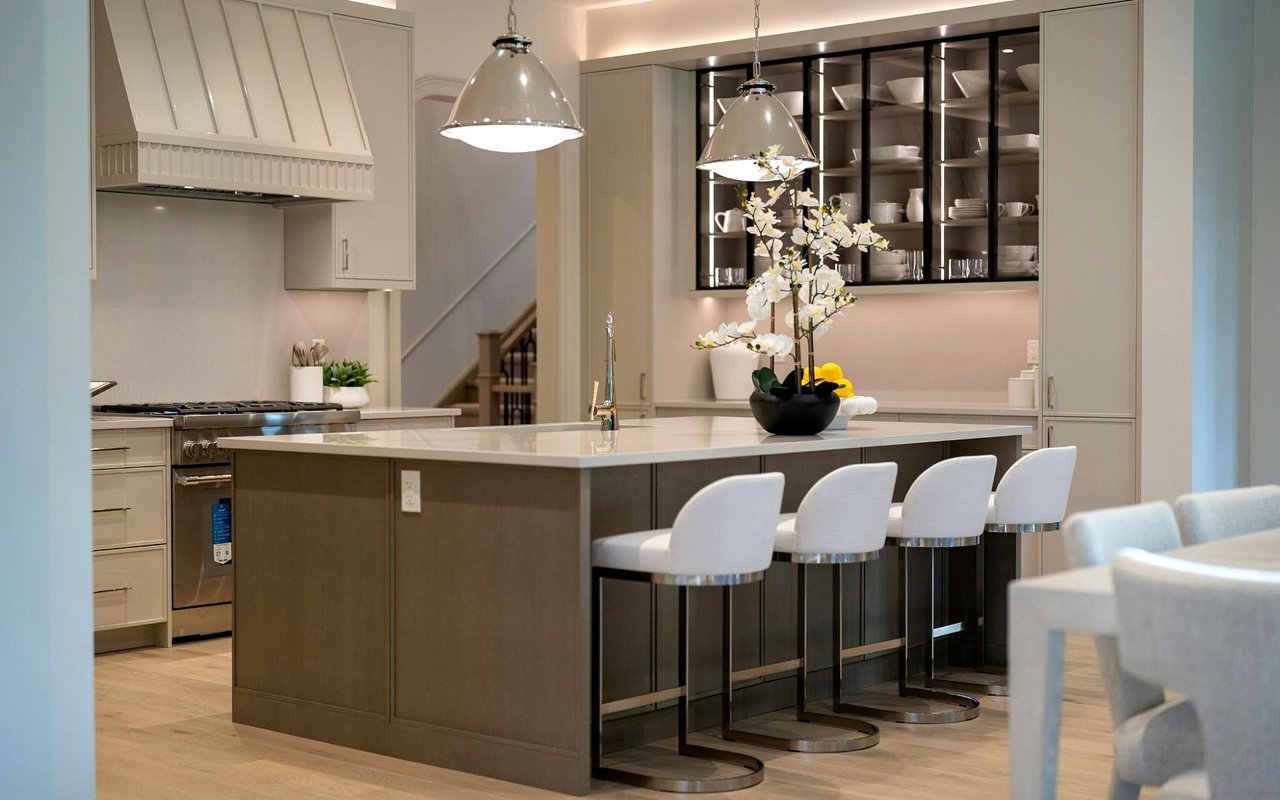
Greg Vernick opened his first restaurant in Philadelphia in 2012. Over the next several years he added Vernick Coffee Bar, Vernick Fish inside the Four Seasons, and Vernick Wine, all inside Center City. Then he stopped. He didn't open anything new in the city for seven years. When he finally did, this past January, he didn't choose Rittenhouse or Washington Square West. He chose a new apartment development on Frankford Avenue in Fishtown, and he named the place Emilia, and for the first time in his career, his own name isn't on the door.
That single decision tells you more about where Fishtown sits right now than any list of new openings could. For years, neighborhoods like this one have functioned as the place where an unproven idea gets its shot, cheap rent, an adventurous crowd, low stakes if it doesn't work. What's happening on Frankford Avenue in 2026 runs the other way. The people arriving aren't testing anything. They already built something elsewhere and are choosing, deliberately, to bring it here.
The Chef Who Waited Seven Years to Come Here
Philadelphia Magazine's restaurant critic offered one explanation for the move: the energy of the booming Kensington and Fishtown corridor reminded Vernick of his early days in New York's East Village, before he'd built anything, before anyone knew his name. That's a striking comparison for a chef with three established Center City restaurants already behind him. It doesn't read like a chef eyeing a market to conquer. It reads like someone recognizing the version of a neighborhood he used to be in himself, before he became who he is now.
He put chef de cuisine Meredith Medoway, his longtime collaborator from Vernick Food & Drink, in charge of the kitchen. The idea came from three of his own regulars, who happened to be developing the apartment building where Emilia now sits and asked if he'd consider it.
"We always take meetings, but we pass on a lot for myriad reasons. There's value in patience and taking your time. This was an opportunity that aligned with where we were."
That's not the language of a chef chasing an up-and-coming zip code. It's the language of someone who already has options and picked this one on purpose. Resy's own profile of the opening placed Vernick alongside the city's other established culinary names, Marc Vetri, Michael Solomonov, Ellen Yin, Stephen Starr, all chefs and restaurateurs who built their reputations before expanding into new territory. Fishtown, in this framing, isn't the incubator. It's the destination those names choose once they've already arrived somewhere else first.
The Money Followed the Same Pattern
Elsewhere in Fishtown, inside the century-old Delaware Generating Station, the same dynamic played out with capital instead of a chef's résumé. The building was once the largest power plant in PECO's system. Today it's The Battery, home to Ballers, a sports-and-social club with a modern restaurant and bar built around the idea of watching games and playing them under the same roof.
What makes Ballers worth noting isn't the concept. Sports bars aren't new. What's notable is who paid for it. Founders David Gutstadt and his wife Amanda Potter raised money from nearly forty athletes and sports figures, including Andre Agassi, Tyrese Maxey, Maarten Paes, and David Blitzer. That's not neighborhood bootstrapping. That's institutional money, already diversified across sports and entertainment ventures elsewhere, choosing a former power plant in Fishtown as the place to put it.
"We're trying not to be just a sports center," Gutstadt has said of the project. The ambition matches the investment. Nobody puts together a roster of investors like that to test an idea quietly. They do it because they've already decided the neighborhood can support something built to last.
Even the Practical Tier Arrived With a Track Record
The pattern holds even outside fine dining and celebrity capital, in the categories that usually reward whoever's willing to take the biggest risk on an unproven storefront.
Cafe Tinto has been a fixture for Colombian food in the Northeast for years. This year, rather than opening a scrappy first location somewhere untested, it went bigger, choosing Fishtown for a larger space with expanded cafe-style seating. Ricci's, a hoagie shop with more than a century of history behind it, expanded into Fishtown the same way, an established name extending its reach rather than a first-timer hoping to get discovered.
Liguria Pizzeria opened on Frankford Avenue this spring from brothers Amro and Sherif Nagud, and Amro didn't arrive as an unknown either. He'd already run Stella's Pizza in Northeast Philadelphia for fourteen years and was an early partner at Verona Pizza in Maple Glen before deciding Fishtown was where he wanted to open next. And an unrelated ice cream chain, also called Stella's, picked Fishtown for its first scoop shop anywhere on the East Coast, a market entry point chosen by a business with locations elsewhere already, not a local independent's opening bet.
A short list of what else landed on or just off Frankford Avenue this year makes the density clear:
- LeoFigs, a long-in-the-works wine bar and basement winery from Justice and Shannon Figueras at Frankford and Susquehanna
- Marina's, a new pizza spot leaning into New York-style pies, slices, cheesesteaks, and cannoli
- Pip's, a cider bar from the team behind Ploughman Cider, pouring a rotating lineup alongside seasonal cocktails
None of these are experiments hoping to find an audience. Each is either an extension of something already proven, or backed by people who've already built something else first.
What Residents Actually Notice
None of this changes what Fishtown looks like day to day. The murals along the Frankford Avenue Arts Corridor are still there. Johnny Brenda's still books its own shows. The Fillmore still pulls national acts a short walk from where Ballers now serves brunch. The neighborhood's creative, independently-owned character, the thing that made it a destination for artists and small business owners in the first place, hasn't gone anywhere.
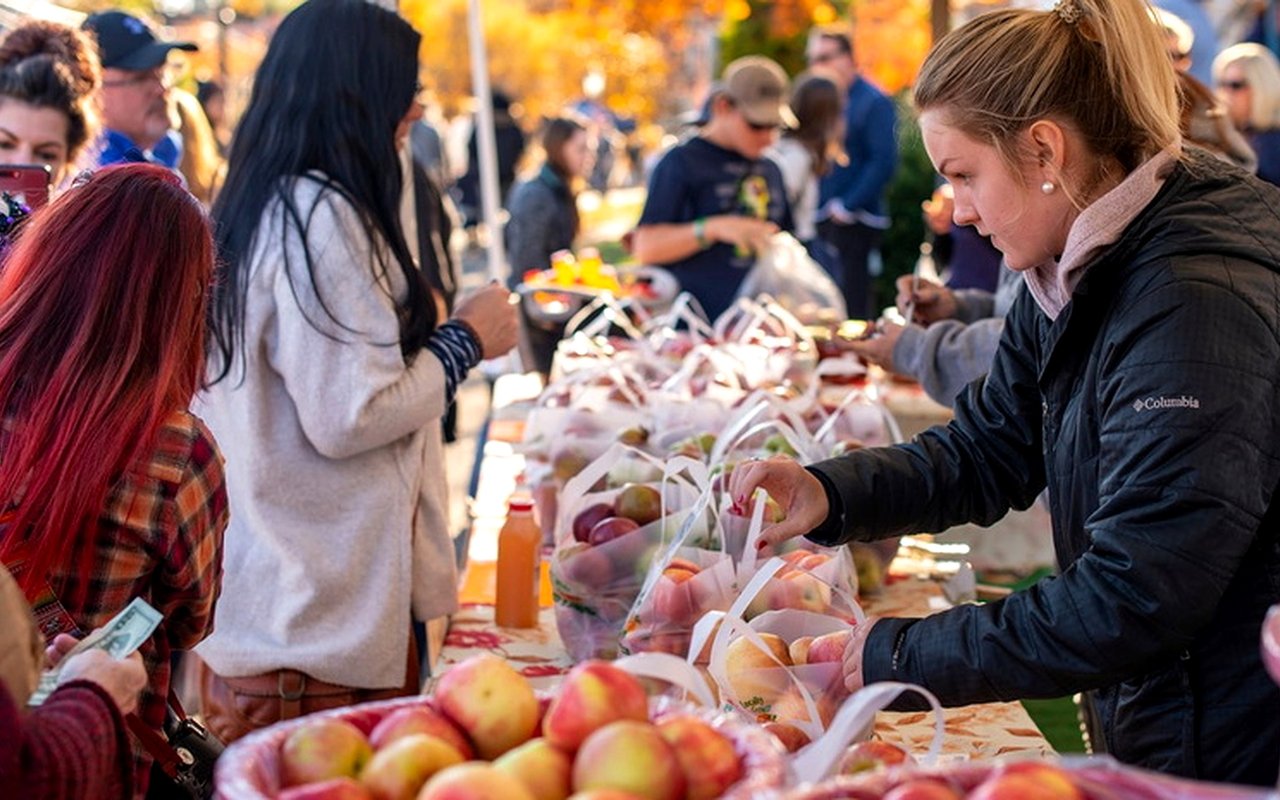
What has changed is who's willing to bet on that character continuing. The Fishtown Kensington Area Business Improvement District runs its own street festival each fall, a tradition that's grown steadily since it began in 2013 as a smaller beer-focused event and expanded into a full food and drink celebration spanning dozens of restaurants and bars along Frankford Avenue. Every year the district has needed a bigger footprint to fit everyone who wants a table. That's not a coincidence. It's the same signal as Vernick's arrival and Ballers' investor list, just measured in square footage instead of dollars: there's more here now, and it took established names willing to plant a flag before the rest of the city caught on.
If you live in Fishtown, you already knew the neighborhood was changing. What's worth understanding is the direction. This isn't a neighborhood building its own stars from scratch anymore. It's one that established names, chefs, investors, and century-old institutions alike, have decided is worth arriving in fully formed. That's a different kind of momentum than a wave of first-time openings, and it tends to last longer.
For residents who've watched Frankford Avenue fill in this way, or who are weighing what that kind of sustained investment means for a home nearby, B&B Luxury Properties tracks these shifts across Philadelphia's neighborhoods as part of how we advise clients on where value is heading, not just where it's been. If you'd like a conversation about what a changing corridor means for your own property or your next move, request a private consultation.