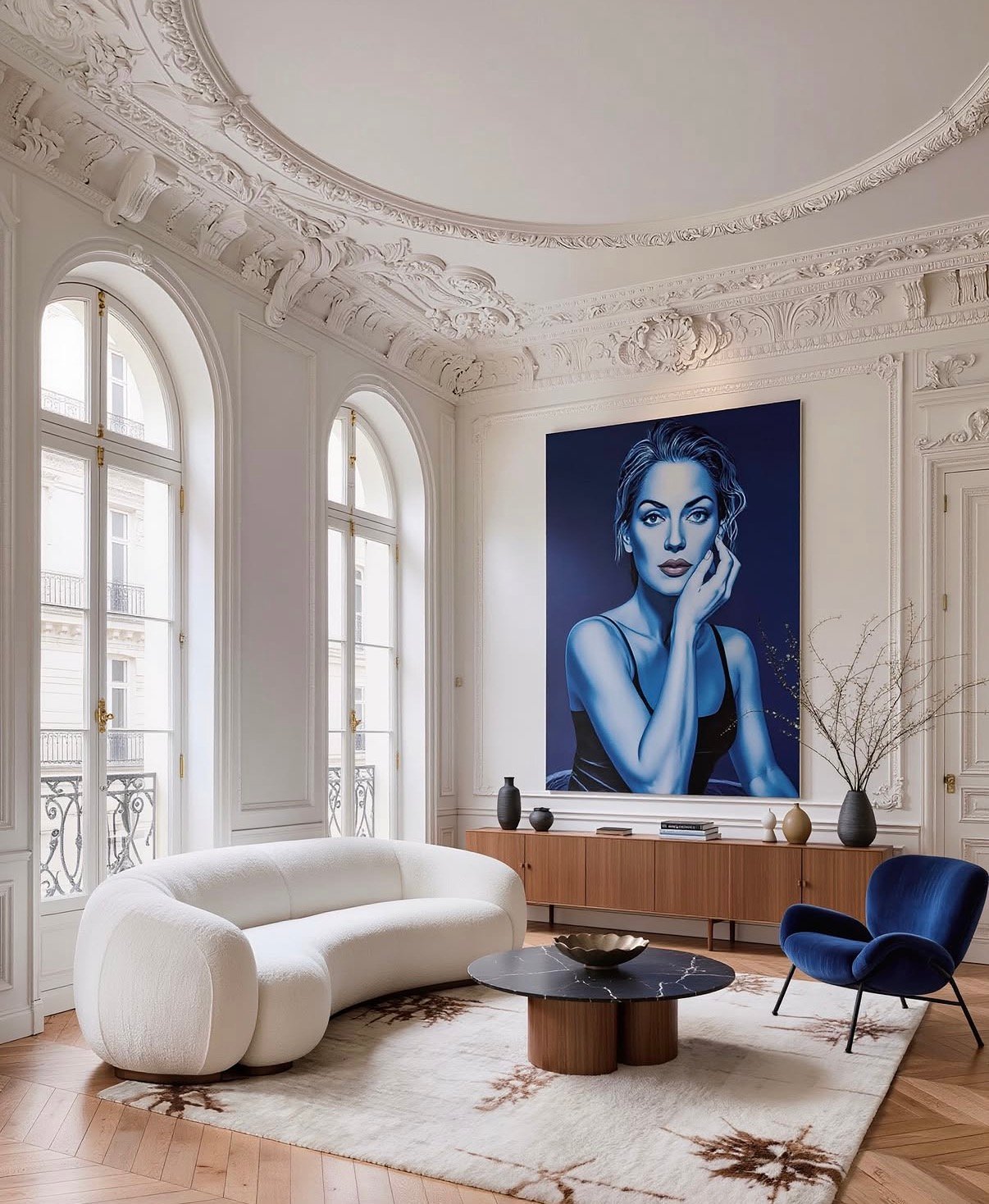
The contemporary art world is loud, fast, and endlessly scrollable—yet the most meaningful art experiences still happen slowly, in conversation, between a creator and a collector. Teal Canvas sits exactly at that intersection, using a modern, concierge model to bring back the intimacy and intention of commissioning art while leveraging the reach and polish of today’s design and luxury ecosystem.
From passive viewing to active commissioning
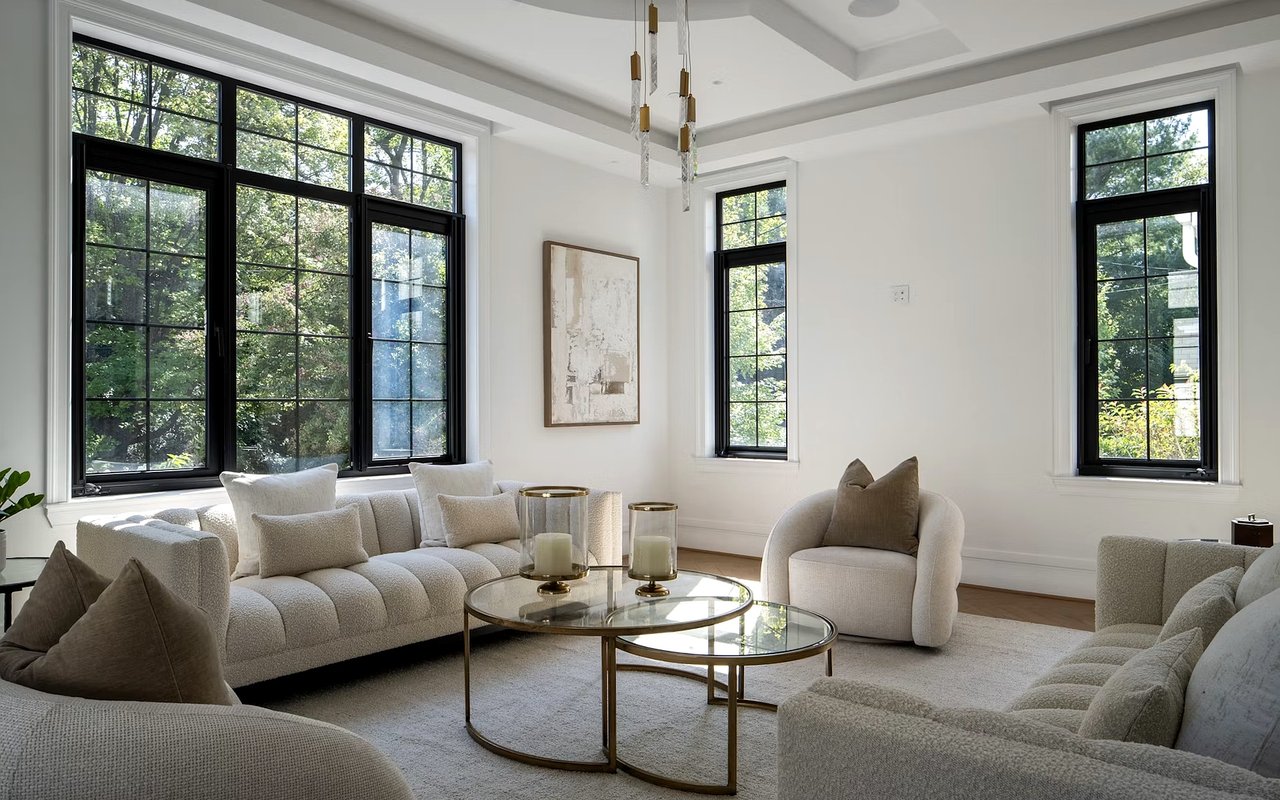
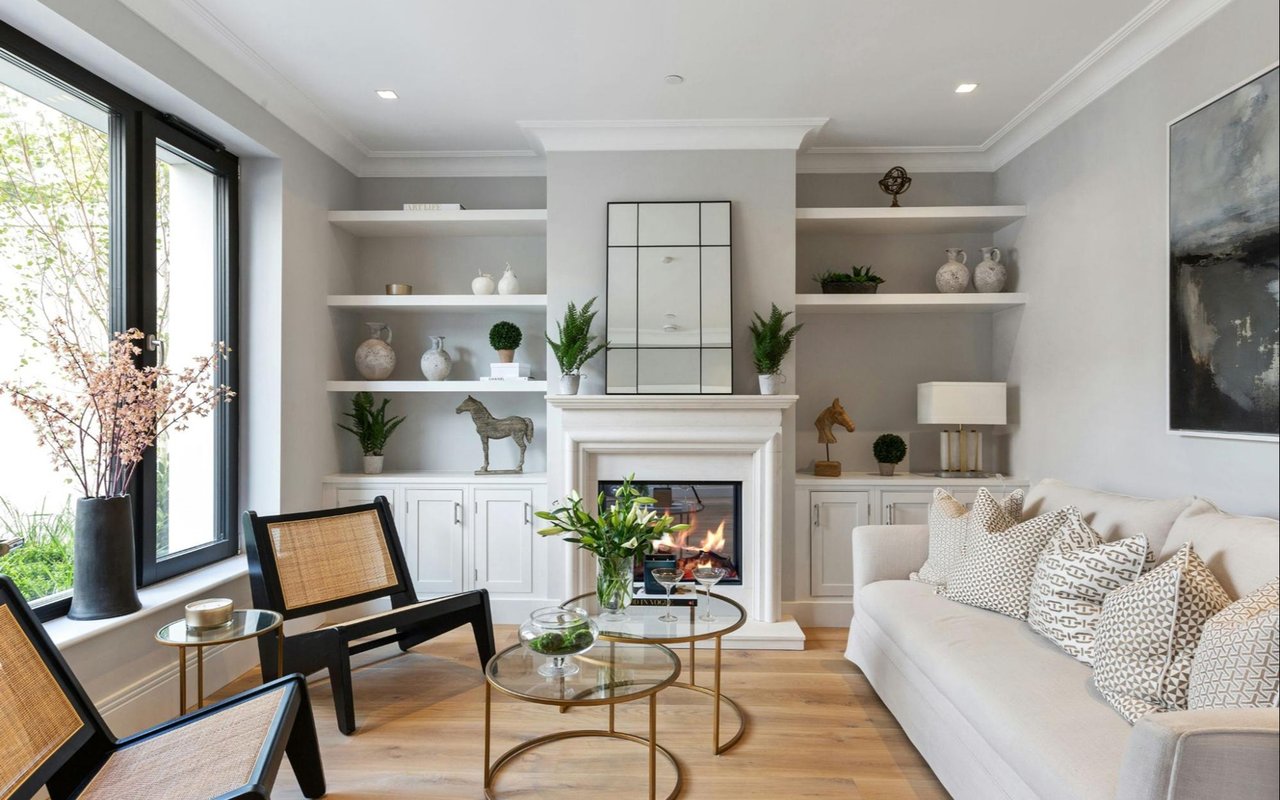
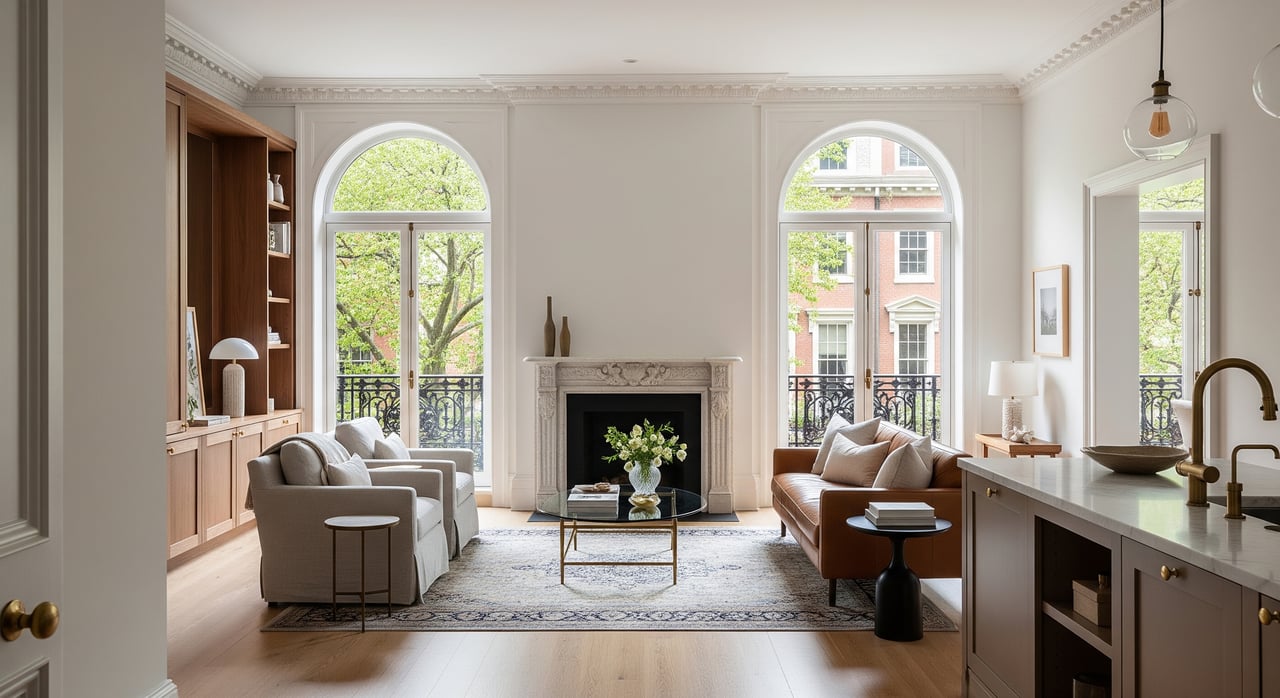
For most of us, the art world has been framed as something we visit: galleries, fairs, museum openings, and, increasingly, online print shops and marketplaces. We browse what already exists, then choose a piece that comes closest to fitting our walls and our lives. The commission, by contrast, flips that script. Instead of adapting your space to a finished work, you invite an artist to create something specifically for your architecture, your light, your story, and your style.
This is the experience that sparked Teal Canvas. When founders Jay and Rachel commissioned their own piece, they realized how different it felt to co‑create artwork—having a voice in scale, palette, subject, and mood, and watching something personal emerge from an ongoing dialogue with the artist. That process became the blueprint for Teal Canvas: not just selling art, but facilitating relationships that result in one‑of‑a‑kind works.
What Teal Canvas actually does
Teal Canvas describes itself as a bespoke art concierge serviceand a marketplace for commissionable artists, serving both private collectors and trade partners like interior designers and hospitality groups. Practically, that means three things happen under one umbrella: curation, matchmaking, and guidance.
First, they curate a roster of over 100 gallery‑level artists—emerging and established—across styles that range from abstract and contemporary to figurative and traditional. This gives them enough breadth to say “yes” to almost any brief: a large abstract above the sofa, a figurative portrait, a series for a hotel corridor, or a sculptural focal point in a lobby.
Second, they act as matchmakers. Instead of dropping you into an overwhelming directory, Teal Canvas talks with you (or your designer) about your space, project, and preferences—scale, color sensibility, subject matter, budget, and timeline—then recommends specific artists who fit. Whether you are a homeowner, an interior designer on deadline, or a commercial client, you’re not left to guess which artist can actually execute your vision.
Finally, they guide the commission from first idea to installation. The team handles details that can make or break the experience: contracts, pricing, expectations, reference materials, progress check‑ins, shipping, framing, and even billing support. Most commissions, depending on size and complexity, run from about 1 to 3 months and typically start around $2,500, scaling up with size, medium, and artist profile.
Why this model matters now
The last decade has seen an explosion of online art options—from mass‑produced prints to direct‑from‑artist platforms. That accessibility is wonderful, but it comes with familiar frictions: endless scrolling, inconsistent quality, confusing pricing, and a sense that you’re buying “content” more than a singular work. The Teal Canvas model addresses those pain points by re‑introducing expertise and human curation into the digital experience.
Because Teal Canvas acts as a buffer and advocate for both sides, artists are freed to focus on what they do best—creating—without trying to become full‑time project managers, marketers, and logistics coordinators. Meanwhile, buyers gain the confidence of having a dedicated advisor who understands both the art and the practicalities of interior design and commercial installation. It’s no accident that Teal Canvas works not only with individual collectors, but also with interior designers, offices, restaurants, and hospitality partners who need reliable, on‑brand art at scale.
Just as importantly, the process itself becomes part of the value. In a world of turnkey décor, commissioning art through a concierge service turns acquisition into collaboration. The resulting piece is not just “on trend”; it’s embedded with narrative—why the colors were chosen, what the subject means, how the composition evolved—which deepens the long‑term connection between the owner and the work.
Commissioning as a future of collecting
Looking ahead, many observers expect the art and design worlds to keep moving toward personalization and hybridity: physical spaces that double as galleries, commercial environments that prioritize distinct visual identities, and homes that move beyond “nice décor” toward pieces that tell the owner’s story. Commissioning is a natural answer to that trend, and companies like Teal Canvas are building the infrastructure to make it accessible rather than intimidating.
Instead of choosing between anonymous mass‑market prints and the intimidating mystique of blue‑chip galleries, collectors and designers can work with a partner who knows the artists, knows the logistics, and cares about fit just as much as they do. Teal Canvas is one example of how the art world is quietly evolving: less about gatekeeping, more about connection; less about generic inventory, more about works that are created for a specific wall, in a specific light, for a specific life.
If you were to commission a piece tomorrow, would you be more drawn to abstract, figurative, or something tied to a specific place that matters to you?