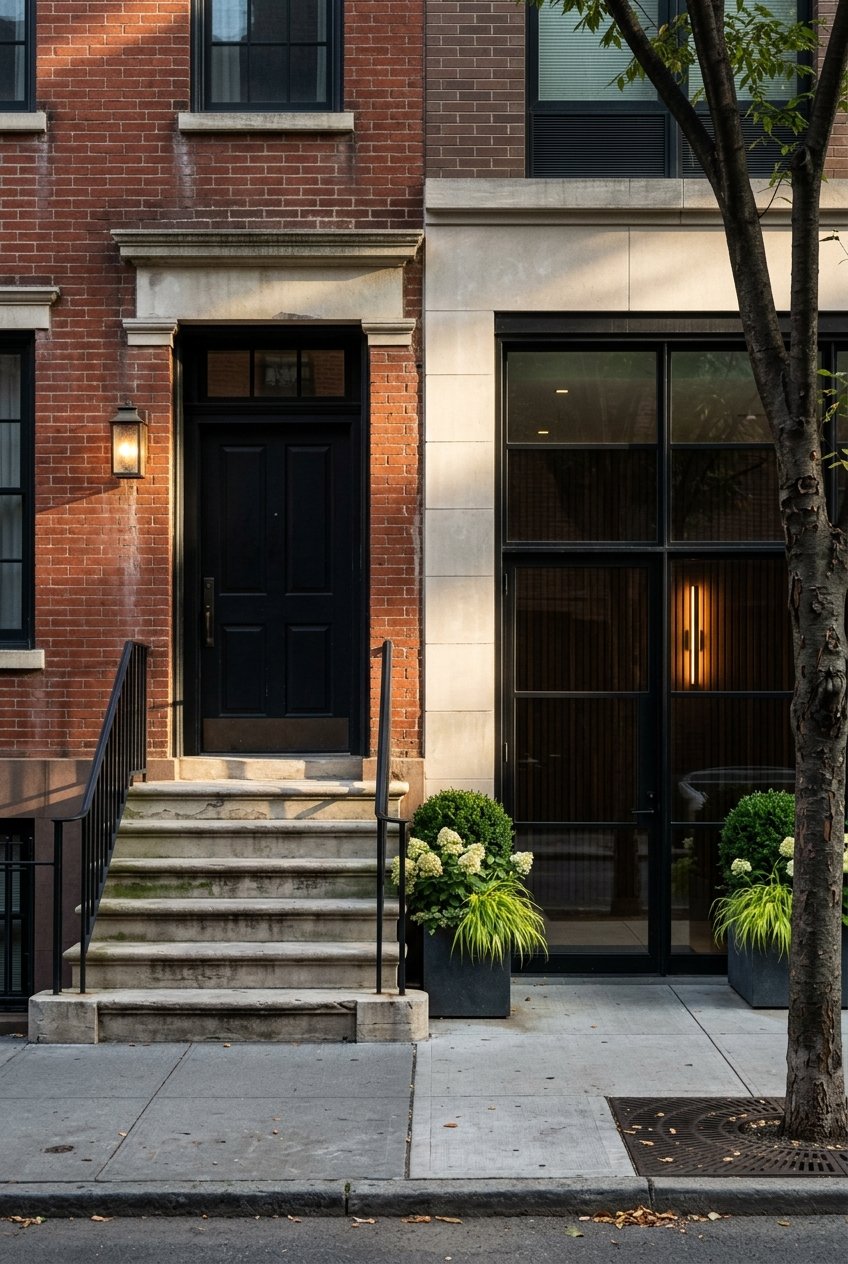
If you love mornings on the Schuylkill Banks and tree‑lined blocks that feel like a village, Fitler Square may already be on your shortlist. The question is whether a classic townhouse or a low‑maintenance condo fits your life better. Both options put you close to the park, dining, and Center City conveniences, but they come with very different costs, responsibilities, and trade‑offs.
In this guide, you’ll compare space, maintenance, parking, fees, flood risk, and resale factors specific to Fitler Square. You’ll also see quick decision checklists for common buyer scenarios and a practical due‑diligence list so you can move forward with confidence. Let’s dive in.
Fitler Square at a glance
Fitler Square centers on a half‑acre neighborhood park and sits steps from the Schuylkill River Trail, a big draw if you prioritize running, cycling, or dog‑walking access. Learn more about the park’s role in community life on the Fitler Square Park page.
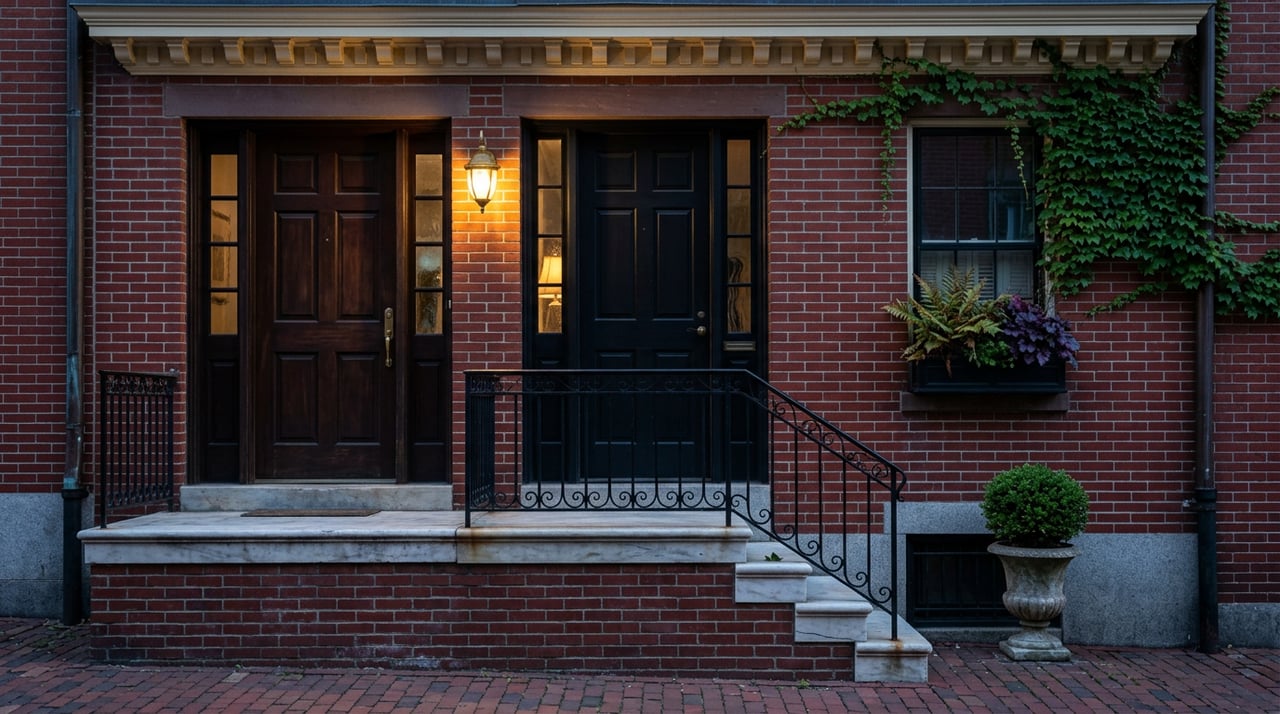
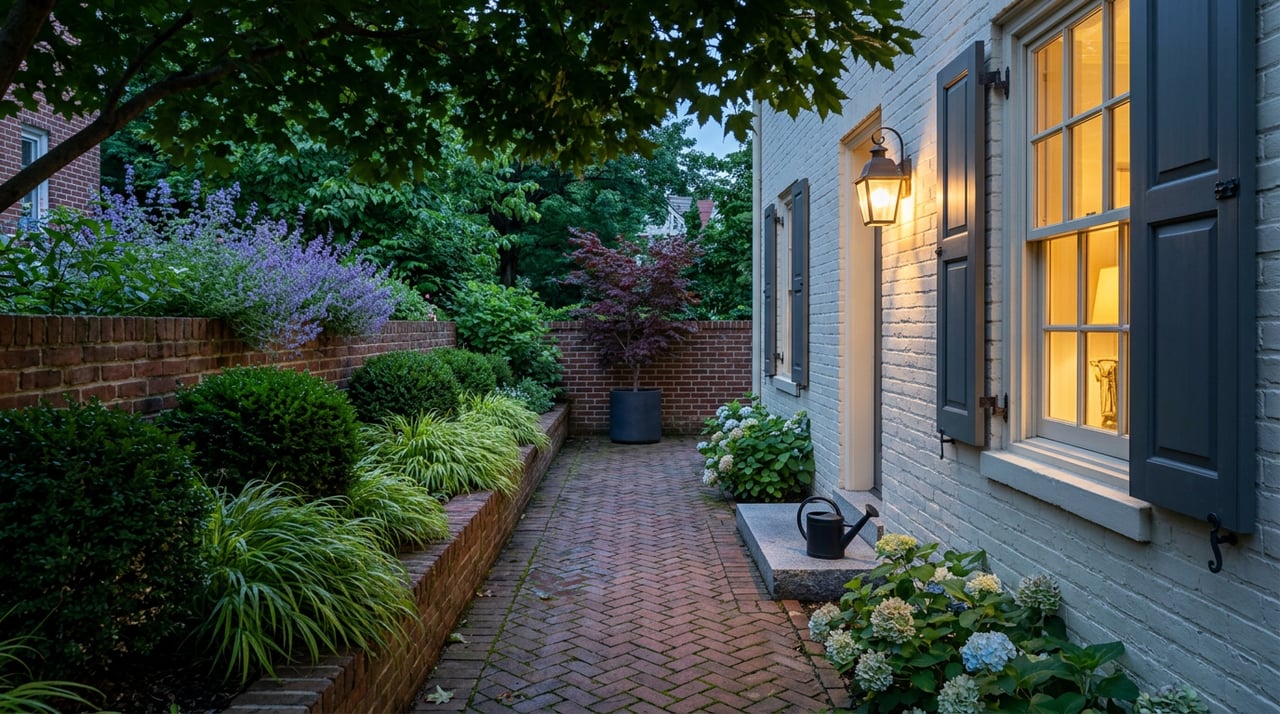
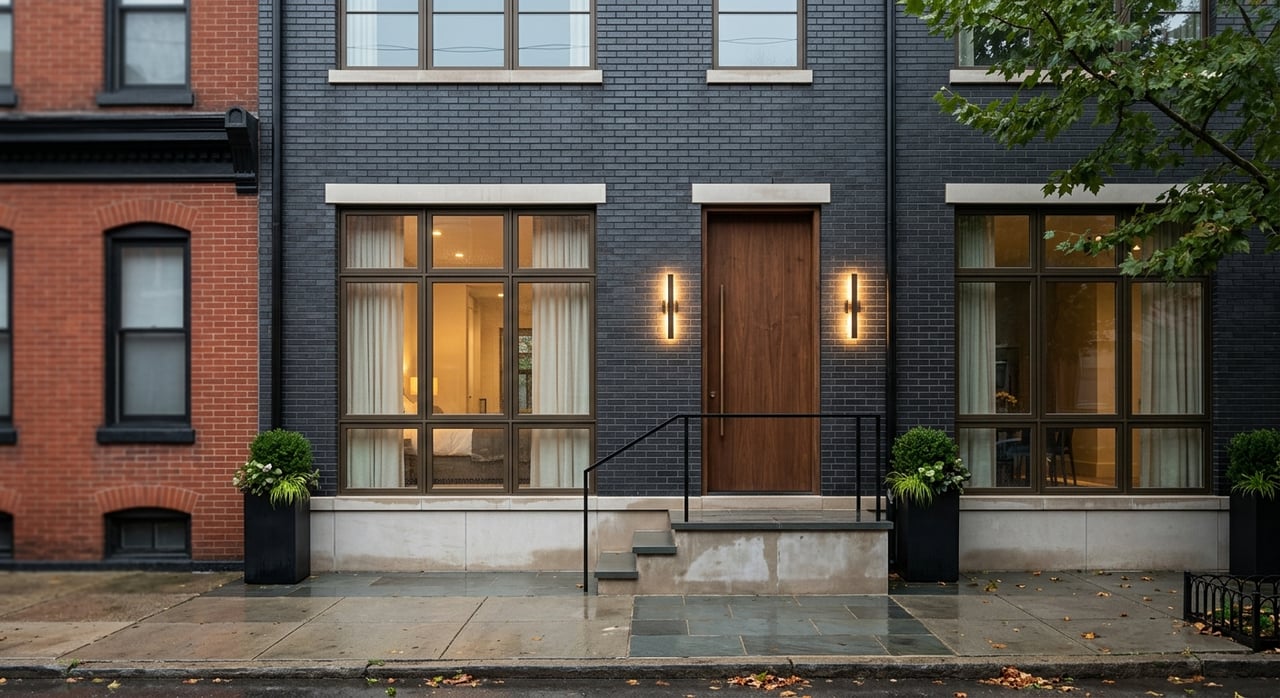
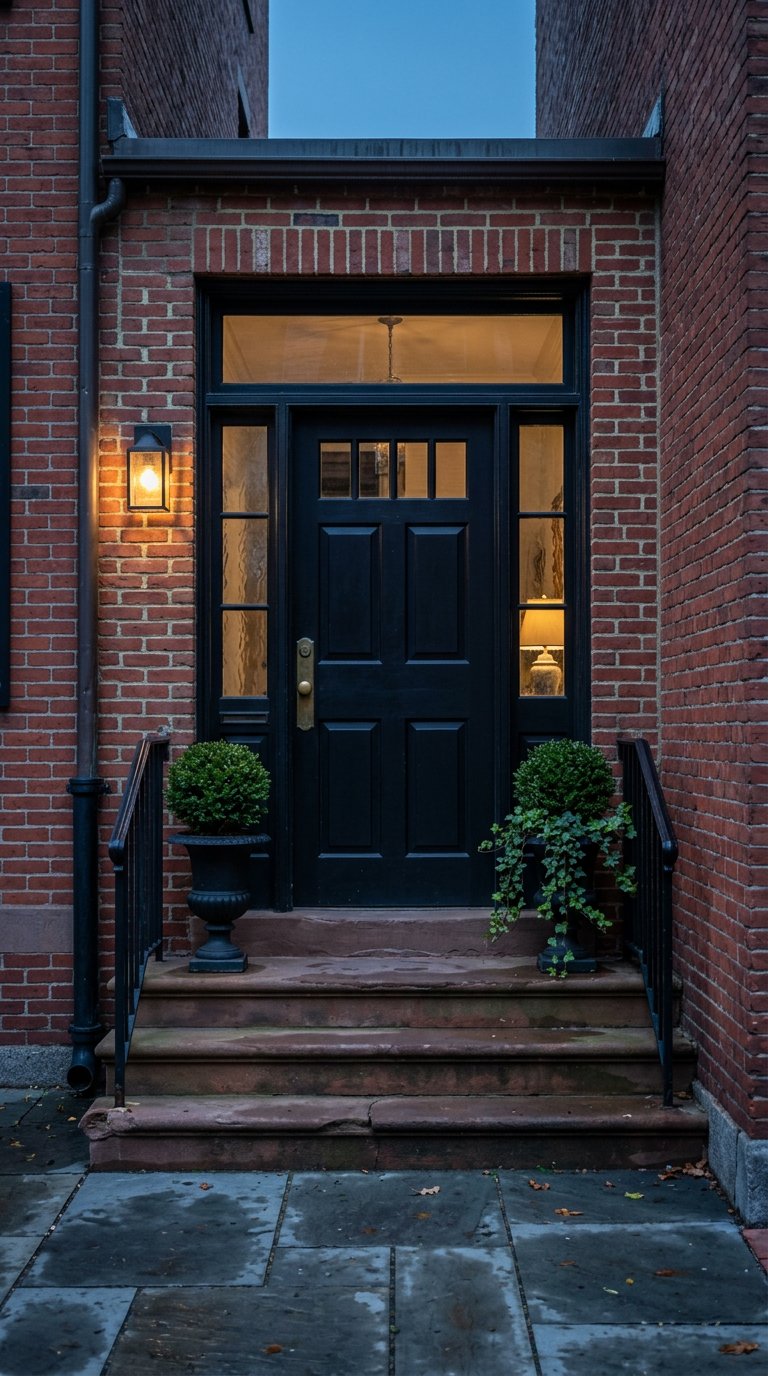
The streets are lined with historic brick rowhouses, small boutiques, and a mix of newer and converted condominium buildings. Many buyers choose the neighborhood for its walkability and quick access to Center City services. The Fitler Square Neighbors Association keeps a helpful calendar and community updates at the FSNA site.
Market context: prices and pace
Fitler Square is a compact market with relatively few monthly sales, so single‑month medians can swing. Recent snapshots from major listing aggregators and AVMs showed a wide range: one source reported a median listing price near 650,000 dollars in late 2025, another showed a median sale near 507,000 dollars in early 2026, while a smoothed neighborhood value index trended higher around 770,000 dollars. Those differences reflect listed versus sold data, small sample sizes, and smoothing models.
What this means for you: use multi‑month trends and recent comparable sales on the exact blocks you are targeting. Features like deeded parking, private outdoor space, renovation quality, and bedroom count can shift value significantly in such a small area.
Townhouse vs. condo: key differences
Here is a quick side‑by‑side to frame your decision.
| Factor | Townhouse/Rowhouse | Condo |
|---|---|---|
| Space & access | Multi‑level living with direct street entry. Often more storage and flexible layouts. | One‑level or duplex units with lobby or shared entry. Elevator access in many buildings. |
| Outdoor space | Private yard, patio, or roof deck are common. | Balconies or shared roof decks. Large private terraces are less common and may carry a premium. |
| Parking | Occasional on‑site garage or driveway in select homes. High value when present. | Deeded or licensed garage spaces in many buildings. Always verify type and location. |
| Maintenance & control | You handle exterior elements like roof, facade, gutters, and yard. More control over decisions and timelines. | HOA handles common elements and exterior. You follow building rules and timelines. |
| Monthly costs | No HOA dues in most fee‑simple homes, but expect episodic big‑ticket items over time. | HOA dues vary widely depending on amenities and utilities included. Predictable monthly spend, plus risk of special assessments. |
| Rules & use | Fewer restrictions on renovations or rentals, subject to city codes and any historic guidelines. | Rules on renovations, rentals, and pets vary by building. Review documents closely. |
| Insurance | Typically an HO‑3 policy covering structure and land. | Typically an HO‑6 policy covering interiors and personal property, plus master policy for common areas. |
| Flood risk | Property‑specific. Elevation, cellar configuration, and drainage matter. | Also property‑specific. Garage and mechanical locations vary by building. |
| Resale drivers | Outdoor space, parking, bedroom count, and renovation level stand out. | Elevator access, parking, fees versus services, and building financials matter most. |
Maintenance and predictability
- Townhouse: Expect greater responsibility for the building envelope. On a tour, ask about roof age, facade work, basement waterproofing, and access to rear alleys. Budget for periodic exterior projects rather than steady monthly dues.
- Condo: Dues deliver convenience, but you trade some control. Review the budget, reserve study, recent meeting minutes, and any special assessments. Elevator buildings and properties with complex systems require strong reserves and maintenance contracts.
Outdoor space and daily living
- Townhouse: A fenced garden, patio, or roof deck adds privacy and day‑to‑day enjoyment. It also supports resale value for buyers who want space for grilling or pets.
- Condo: Many units offer balconies or shared roof decks. Boutique conversions or penthouse units may include larger terraces, usually with a premium.
Parking and vehicle logistics
- Townhouse: On‑site garage or driveway parking is scarce and commands a premium. If present, verify the access route and any shared alley rights.
- Condo: Ask whether the space is deeded real property or a license tied to association rules. Confirm the exact location, clearance, and fees.
- Street parking: Policies vary block by block. Before you assume curbside availability, review City resources, including datasets maintained by OpenDataPhilly, to understand how residential permits and meters work in Center City.
Fees, financing, and insurance
- HOA dues: In Fitler Square, dues can range widely depending on building size, amenities, and which utilities are included. Comparing dues is only useful when you also compare what they cover and the health of reserves.
- Financing: Some condo projects face additional lender review, including owner‑occupancy ratios and project approvals for certain loan types. Plan to confirm eligibility early.
- Insurance: Townhouse owners usually carry a dwelling policy that covers the structure. Condo owners typically carry an HO‑6 policy and should confirm the master policy deductible and coverage.
Flood risk and resilience
Fitler Square sits close to the Schuylkill River, and some addresses show elevated flood risk in public tools. If you are using a federally regulated mortgage and the home lies within a Special Flood Hazard Area, lenders may require flood insurance. Whether you buy a townhouse or a condo, request any available elevation certificates, review flood mapping, and obtain a flood‑insurance quote before waiving contingencies.
Long‑term resale considerations
Within Center City, features that commonly support resale include deeded parking, private outdoor space, bedroom count, updated systems, and proximity to amenities. Because the neighborhood is small, a few high‑end townhouse sales can pull averages higher, so use recent comps on nearby blocks and look beyond headline medians.
Which fits your lifestyle?
Young family: space, storage, and schools
- Likely fit: A townhouse or larger multi‑bedroom condo within the neighborhood’s K–8 catchment is often the target. Verify enrollment for your exact address.
- Checklist: Yard or safe outdoor space, bedroom count, storage, fence condition, HVAC age, and neighbor noise transfer.
Empty‑nester: low maintenance and access
- Likely fit: A condo with elevator access and on‑site parking. Focus on single‑level living, security features, reserve strength, and predictable dues.
- Checklist: Elevator reliability, master policy details, recent capital projects, and noise from mechanicals or nearby commercial corridors.
Pied‑à‑terre or investor: simplicity and walkability
- Likely fit: A smaller condo or 1‑bed unit near the park and Schuylkill Banks. Confirm rental policies and any caps, plus how dues impact your ROI.
- Checklist: HOA rental rules, guest access, parking options, and any financing constraints tied to the building.
What to verify before you write an offer
Use this due‑diligence list to reduce surprises:
- Ownership type: Confirm whether you are buying a fee‑simple townhouse or a condominium interest. When in doubt, review the recorded declaration and plat with your title company.
- HOA package: Request the latest budget, balance sheet, reserve study, insurance certificate, 12 months of meeting minutes, rules on rentals and pets, and any special assessment history.
- Parking specifics: Verify whether parking is deeded or licensed, and confirm the exact location, access route, and any related fees.
- Flood exposure: Check maps, review elevation data where available, and obtain a flood‑insurance quote before removing contingencies.
- Tax abatement: If the property is newer construction or a recent renovation, verify whether a 10‑year tax abatement applies and how many years remain. The City of Philadelphia outlines program details on its property tax abatement page.
- Mechanical and structural review: For townhouses, prioritize roof age, facade condition, basement water management, and sewer line. For condos, pay attention to common systems such as the roof, facade, elevators, and fire‑life‑safety equipment.
- Historic context: Portions of the neighborhood feature historic fabric and design guidelines. For background on Philadelphia rowhouse forms and why facades matter, explore the Preservation Alliance’s rowhouse resource.
How to decide with confidence
- Define your must‑haves: List top five needs such as number of bedrooms, outdoor space, elevator access, or on‑site parking.
- Compare true monthly costs: For condos, add mortgage, taxes, dues, and insurance. For townhouses, budget an annual reserve for exterior work.
- Pressure‑test flood and parking: Obtain quotes and confirmations early. Do not assume flood insurance is optional or that curb parking is readily available.
- Focus on block‑level comps: Have your agent pull recent settled sales within a tight radius and adjust for parking, outdoor space, renovation level, and bedroom count.
- Read the fine print: In condos, reserve health, rules, and special assessment history can outweigh finishes. In townhouses, structural and envelope condition drive long‑term costs.
When you are ready to take the next step, request recent comps, the full HOA packet if you are considering a condo, flood‑insurance quotes, and a review of any tax abatement that could affect carrying costs. If you prefer a quieter briefing, a private tour, or help sourcing off‑market opportunities nearby, connect with the team at B&B Luxury Properties for concierge guidance tailored to your goals.
FAQs
What are typical condo HOA dues in Fitler Square?
- Dues vary widely from roughly the low hundreds per month in smaller buildings to higher amounts in full‑amenity properties, depending on amenities and which utilities and services are included.
How common is flood insurance near the Schuylkill River?
- It is property specific. Some addresses show elevated risk and may require flood insurance with certain loans. Always check maps, request elevation info if available, and get a quote before waiving contingencies.
Do townhouses in Fitler Square usually have parking?
- On‑site garage or driveway parking is relatively scarce and carries a premium. Verify access through alleys and any shared agreements when a space is included.
Are condos or townhouses better for resale in this neighborhood?
- Both can perform well. In general, deeded parking, private outdoor space, bedroom count, and updated systems drive value. In condos, strong reserves and predictable dues support buyer confidence.
Are there historic restrictions for exterior changes on townhouses?
- Some blocks sit within areas that prioritize historic character. Always confirm whether your property is subject to design guidelines before planning facade or window work.
How should I compare monthly costs between a condo and a townhouse?
- For condos, total your mortgage, taxes, HOA dues, and HO‑6 insurance, then factor special assessment risk. For townhouses, total mortgage, taxes, HO‑3 insurance, and set aside a reserve for exterior maintenance over time.