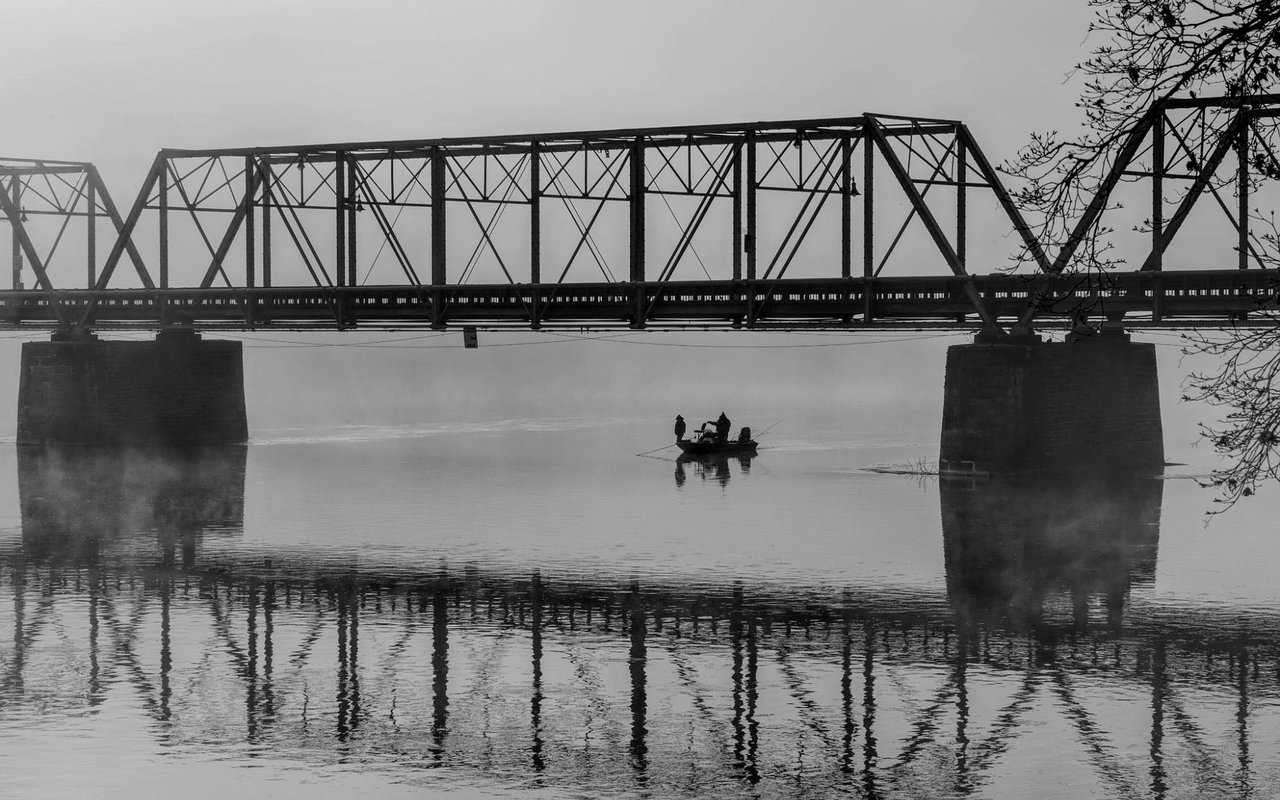
Imagine morning coffee on your deck while the Delaware drifts by, kayakers slide past, and the village of Yardley is a short stroll away. If you are considering a riverfront home here, you are weighing both dream and diligence. You want the views and lifestyle, and you also want clarity on flood maps, insurance, inspections, and permits. This guide gives you the essentials so you can buy with confidence. Let’s dive in.
Why Yardley riverfront
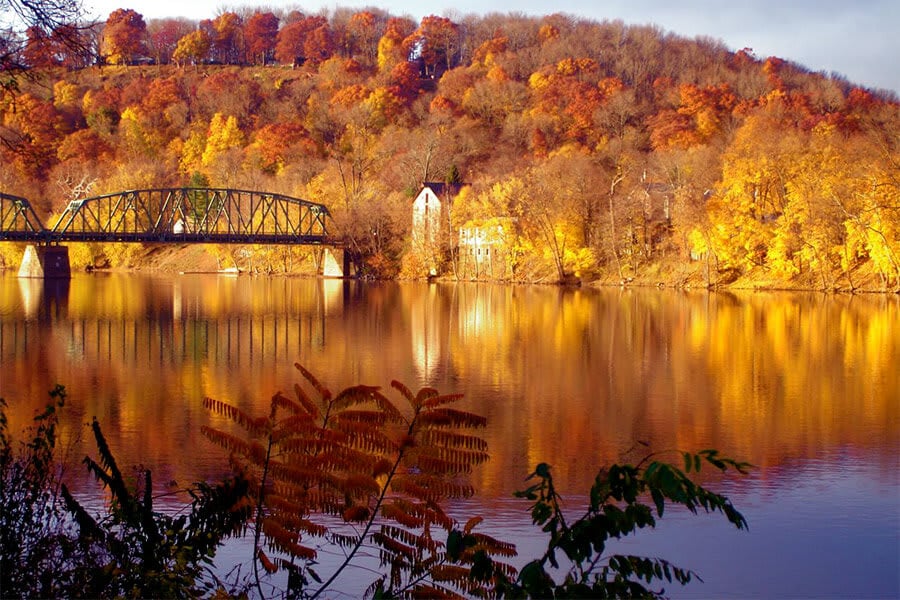
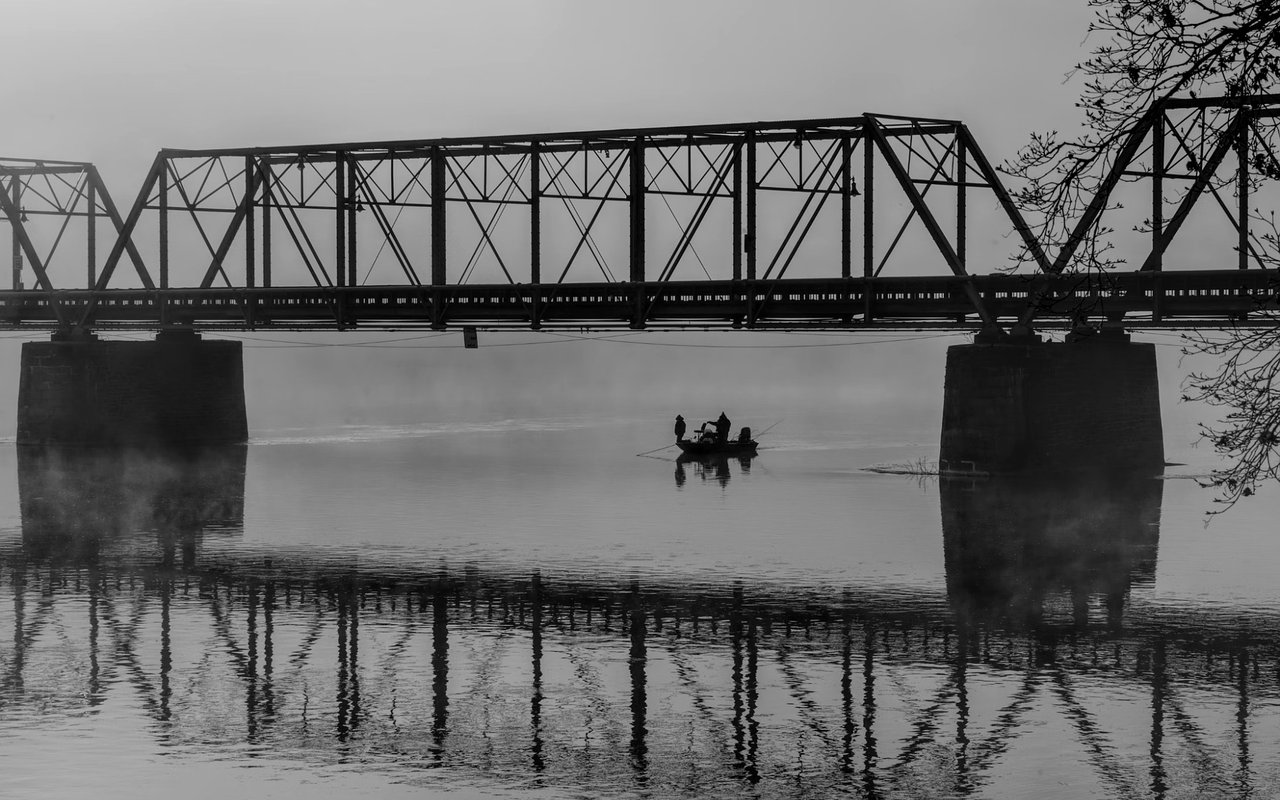
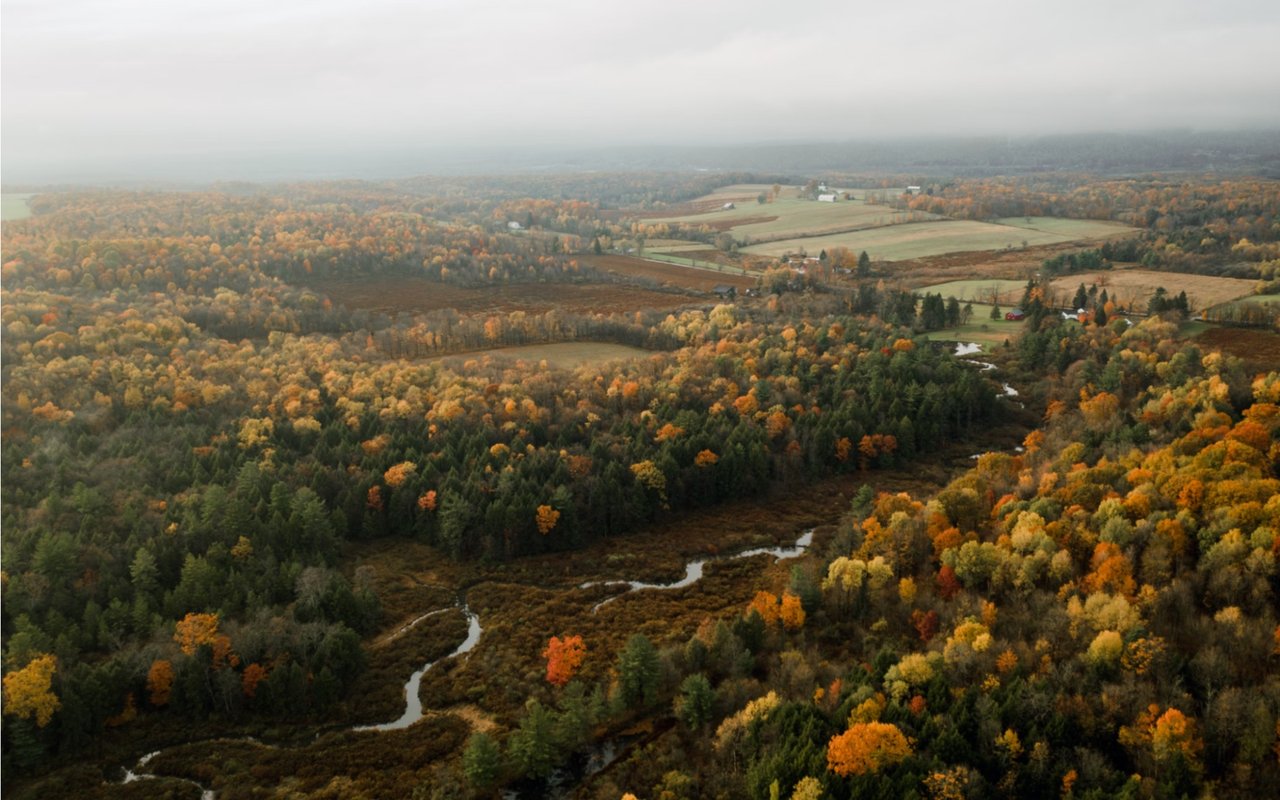
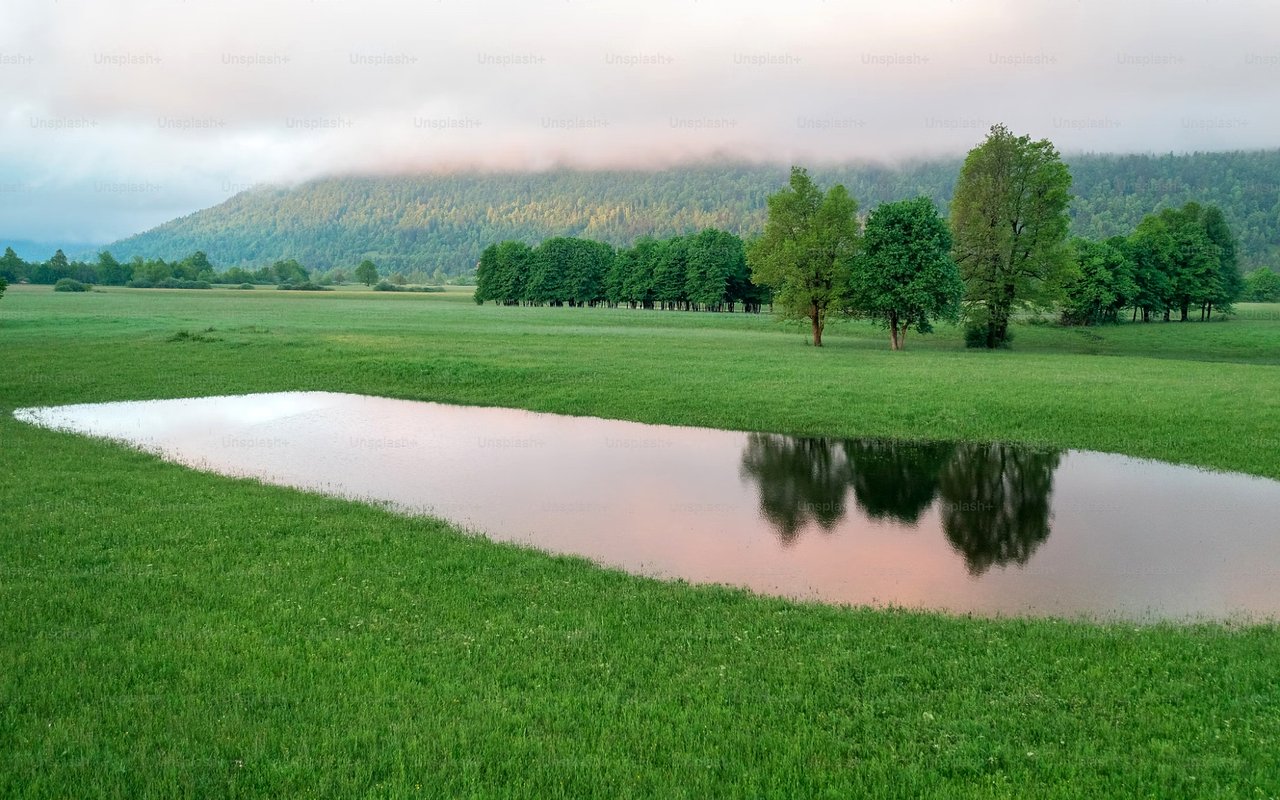
Yardley offers a rare mix of small‑town charm, scenic river views, and easy access to regional roads and transit. You get recreation right outside your door, from paddling and fishing to evening sunsets by the water. Properties along the Delaware are limited, which supports long‑term demand for waterfront living.
Expect waterfront homes to trade at a premium compared with similar non‑waterfront properties. That premium can be more cyclical, since buyers focus on insurance and maintenance costs after major flood events. If you are considering short‑term rental income, review local municipal rules first since regulations vary by town.
Home and lot types you’ll see
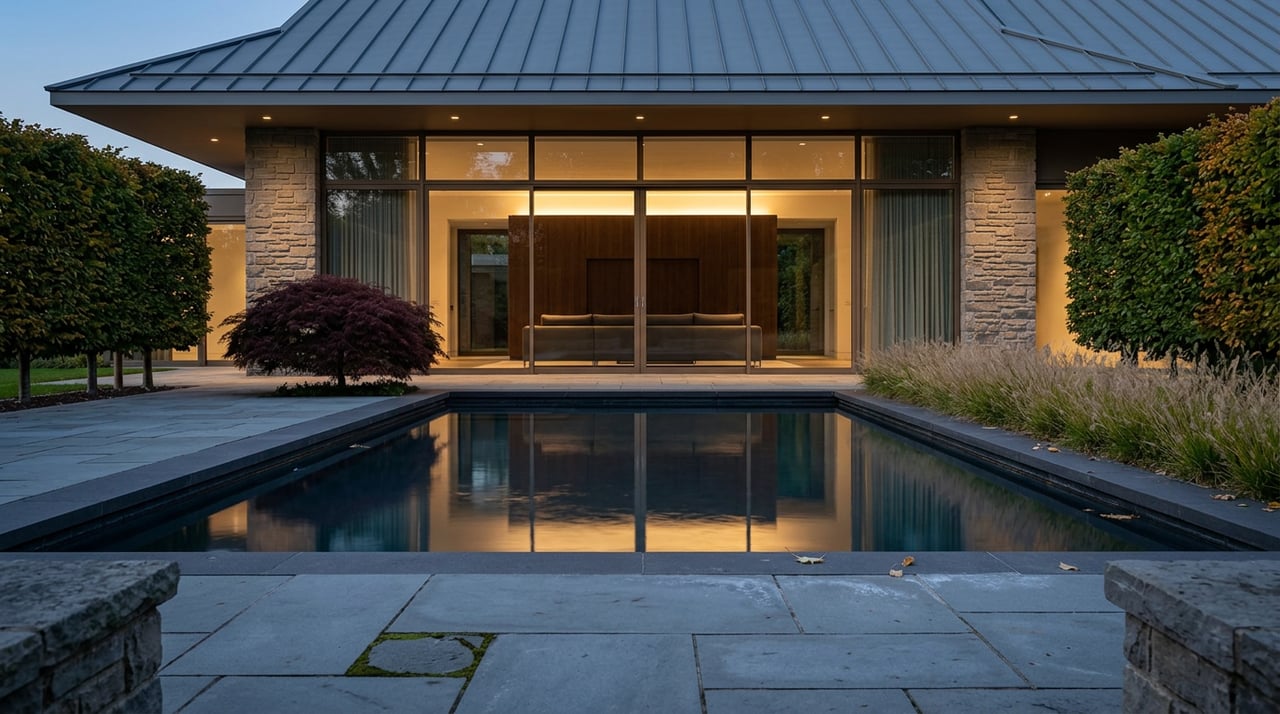
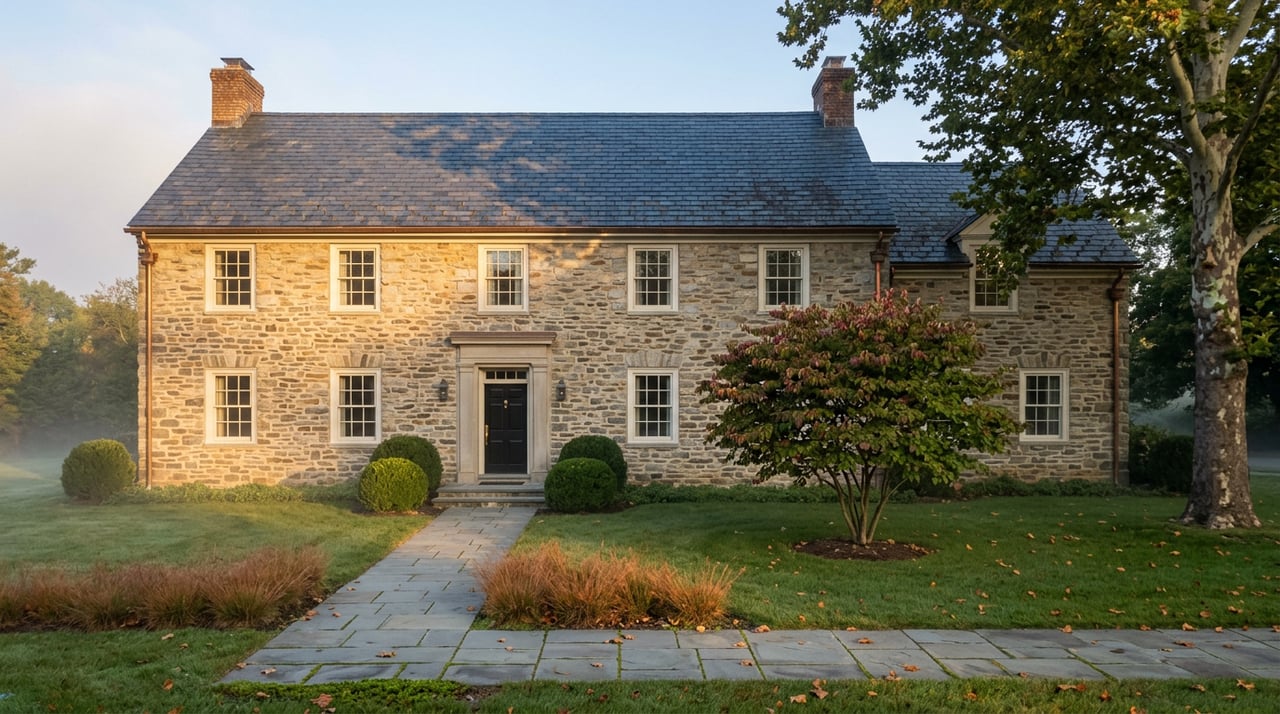
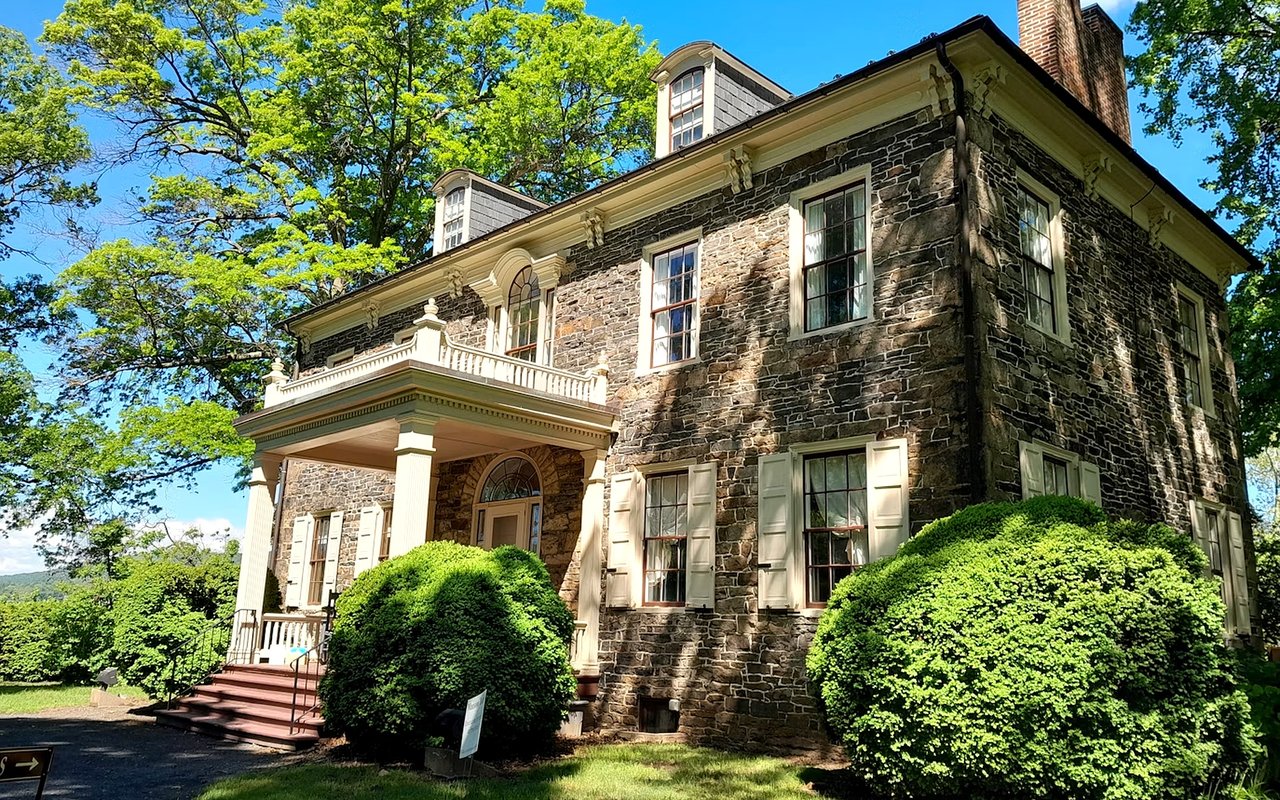
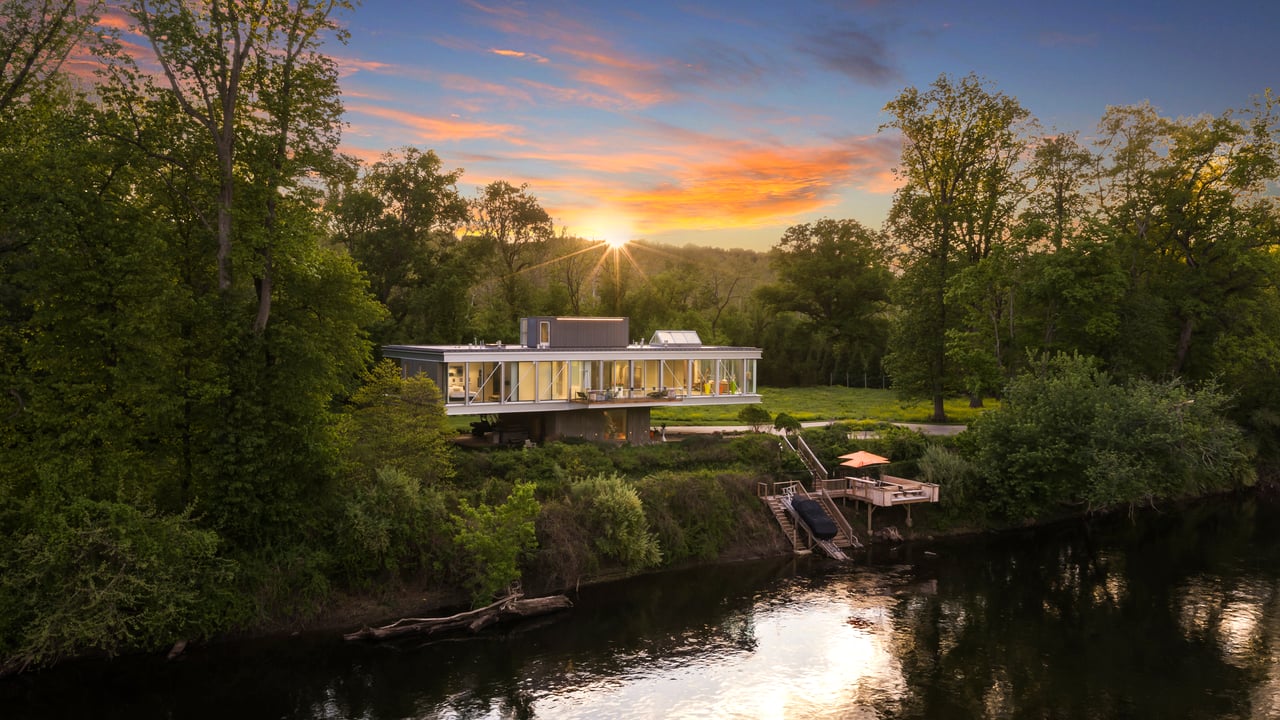
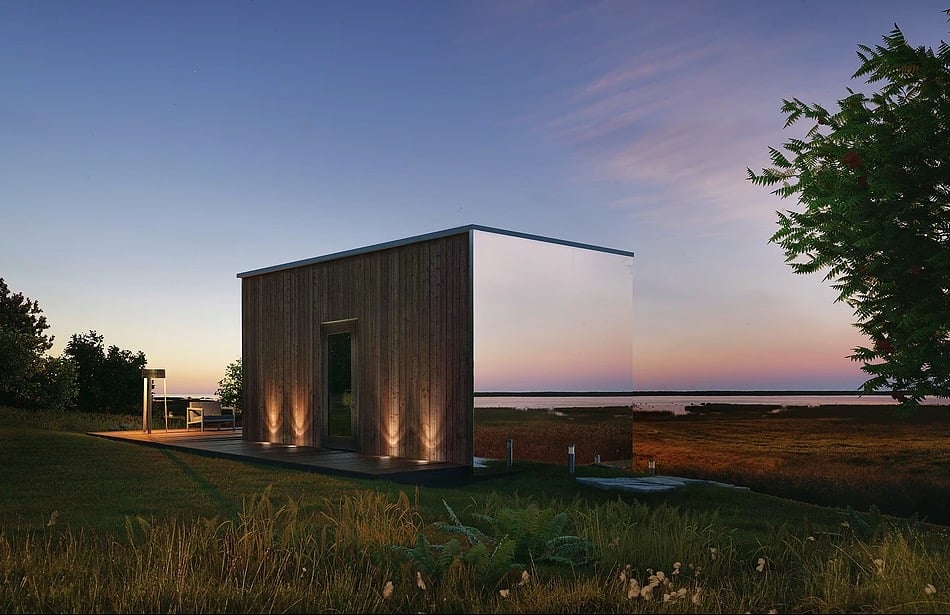
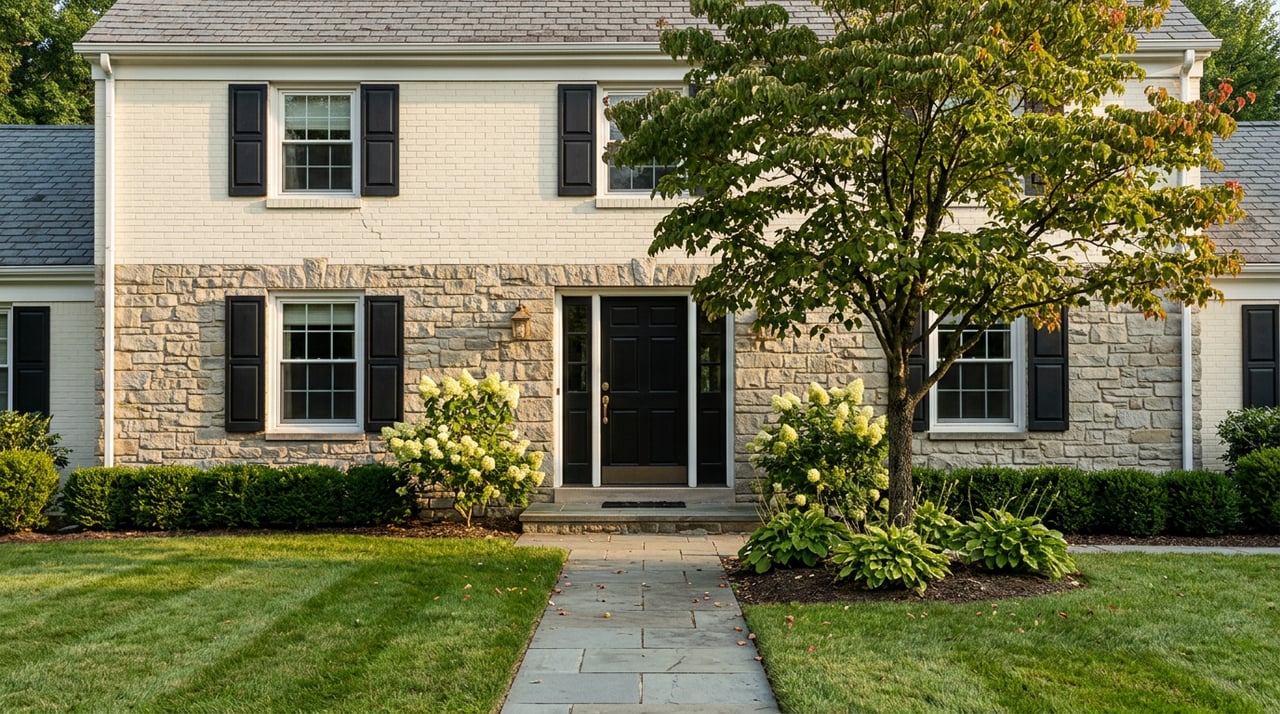
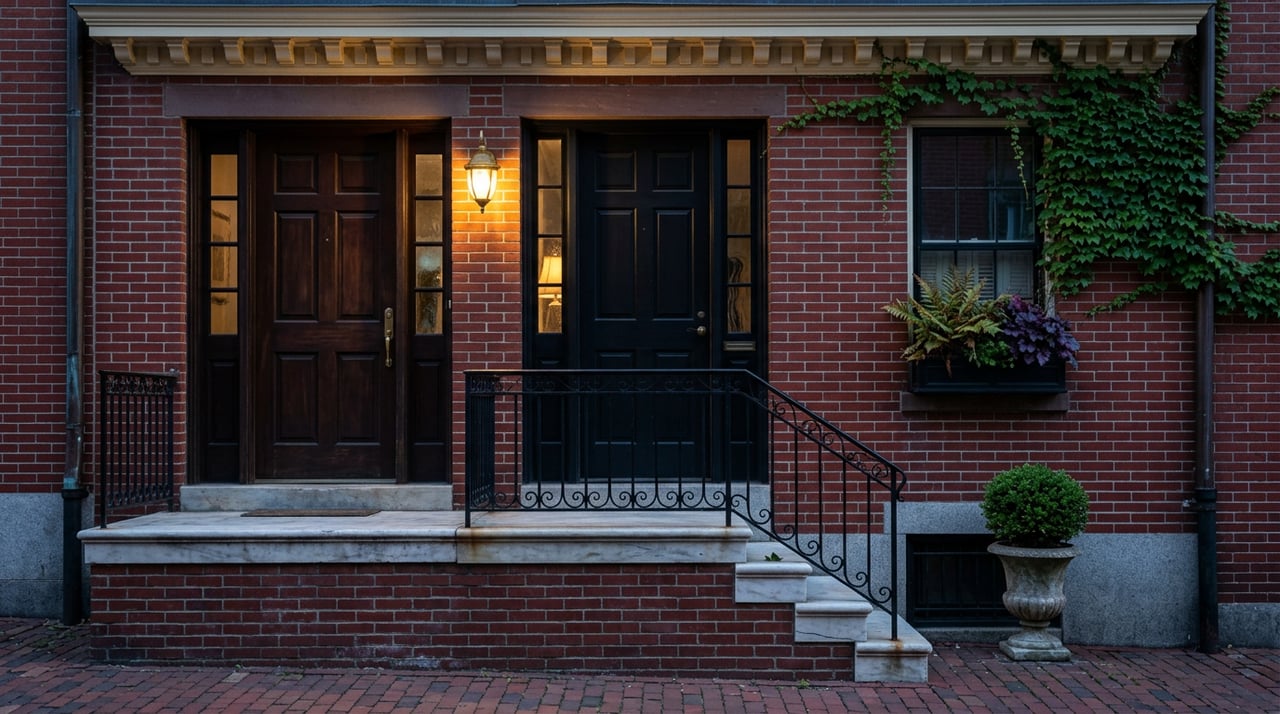
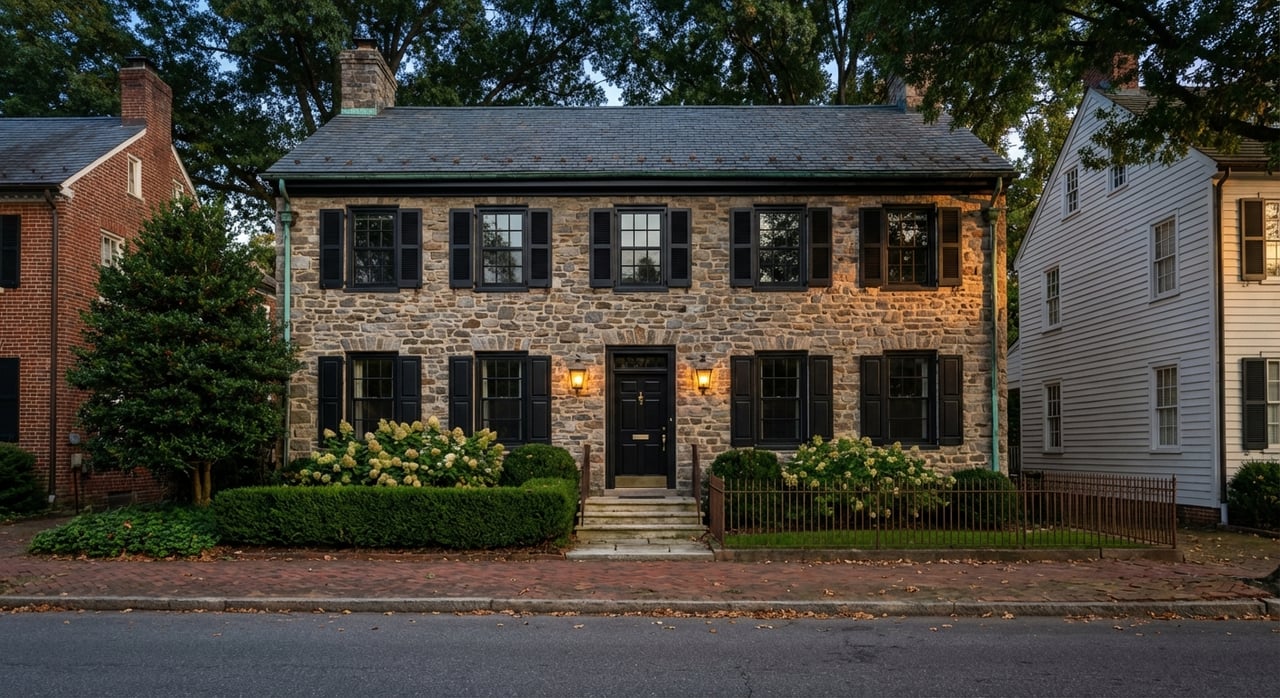
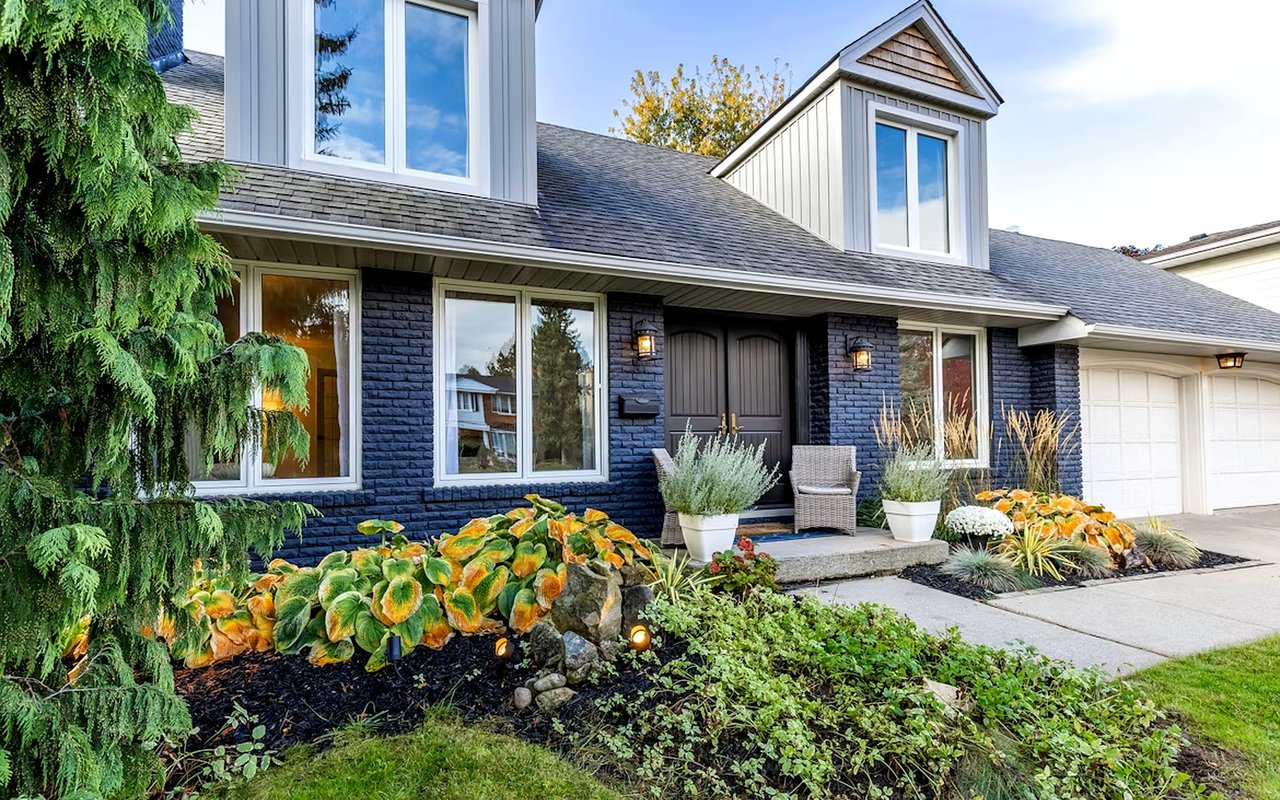
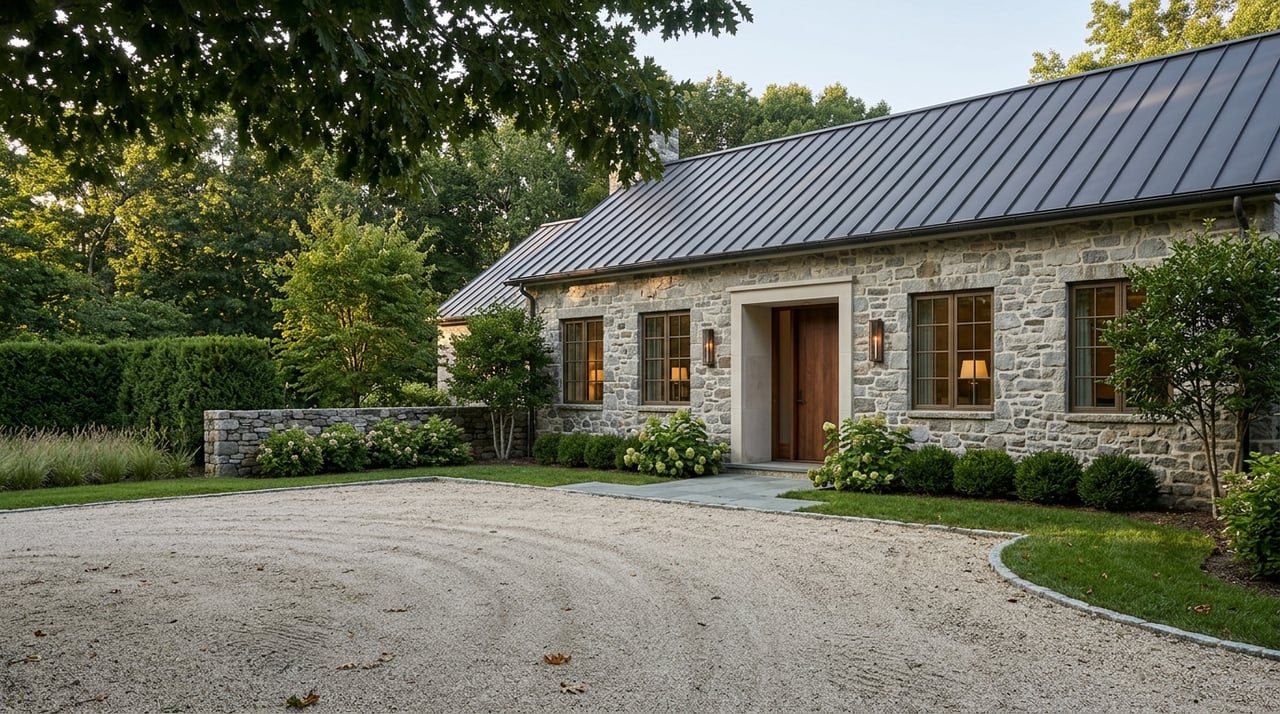
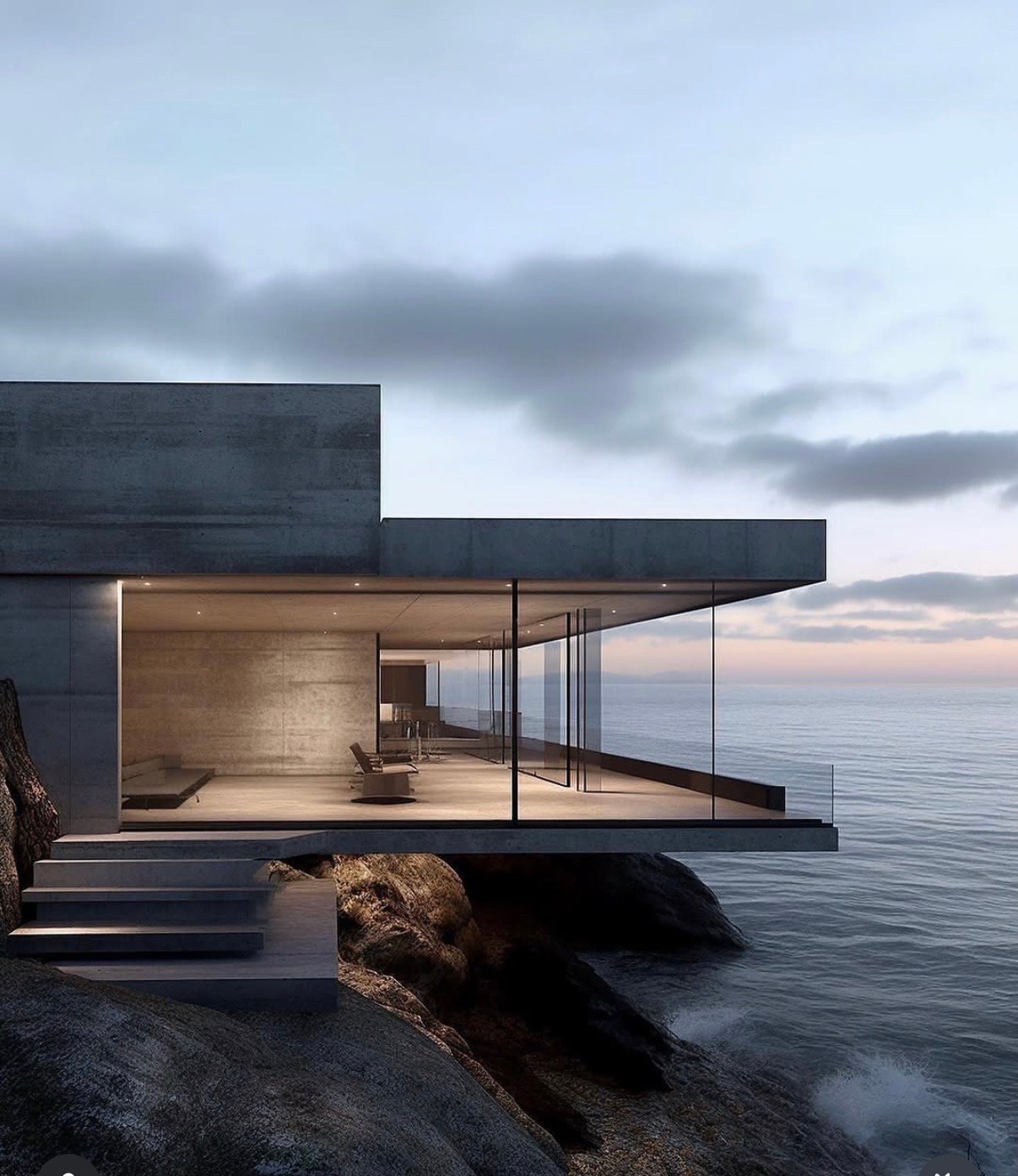
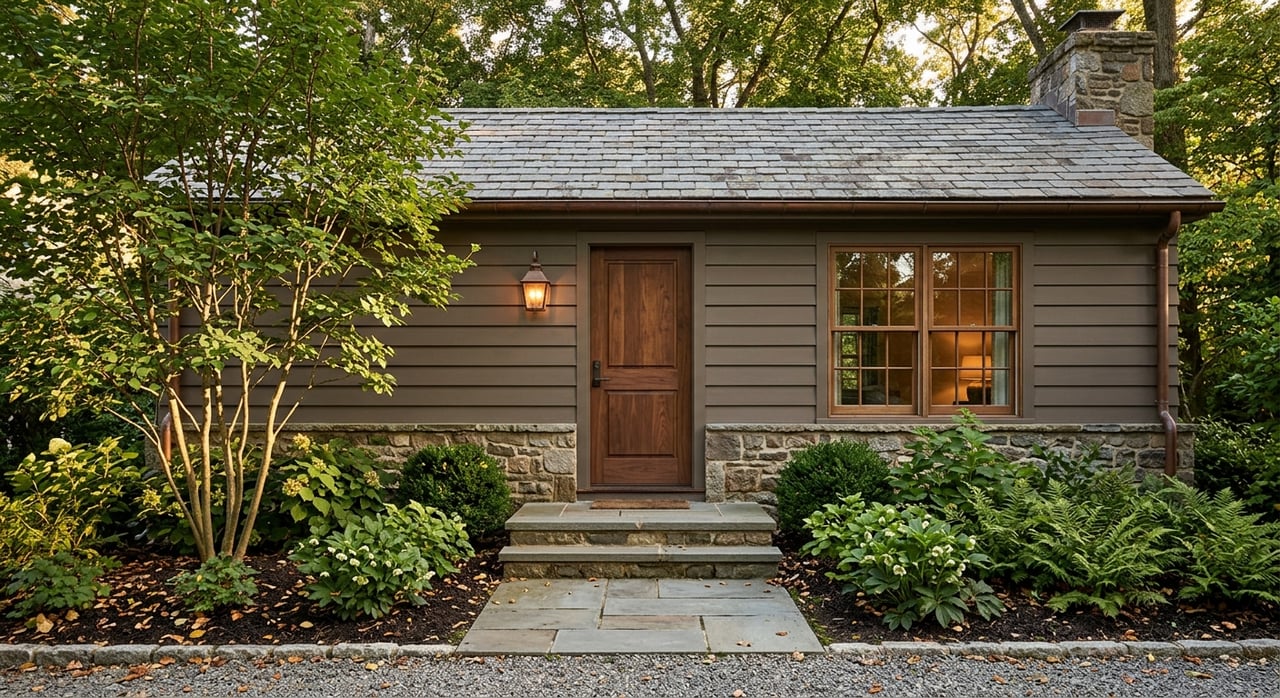
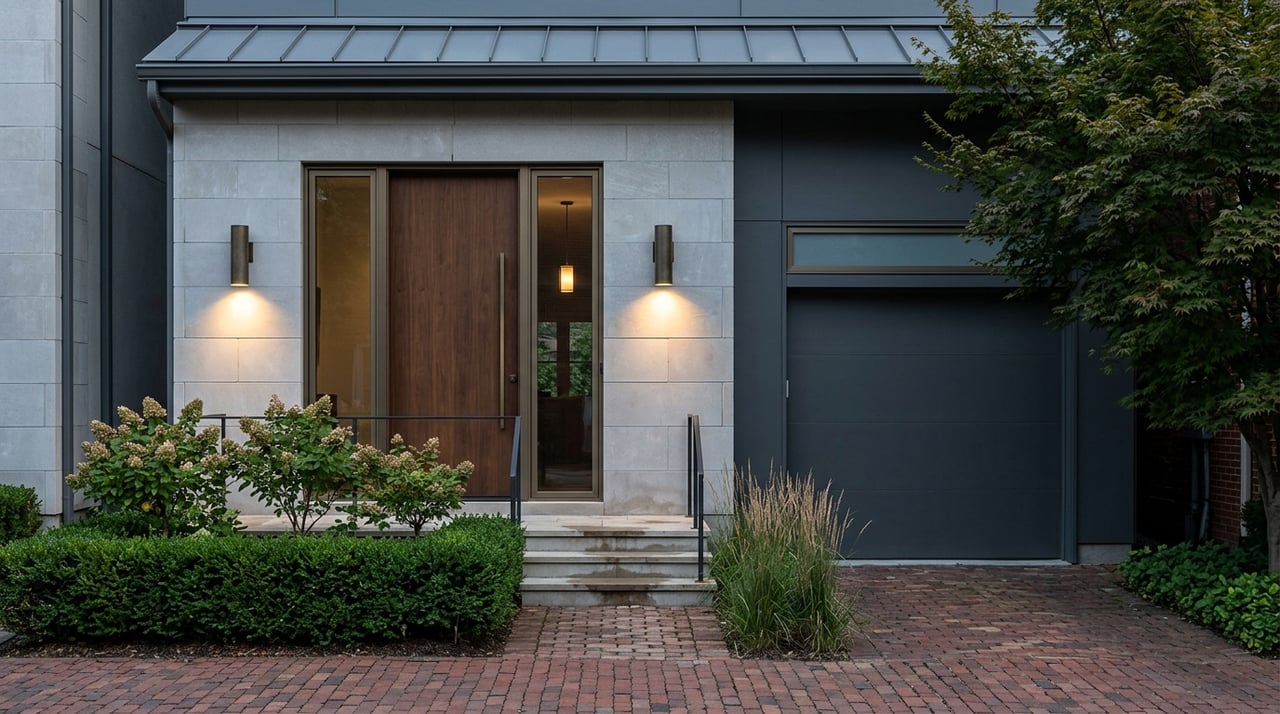
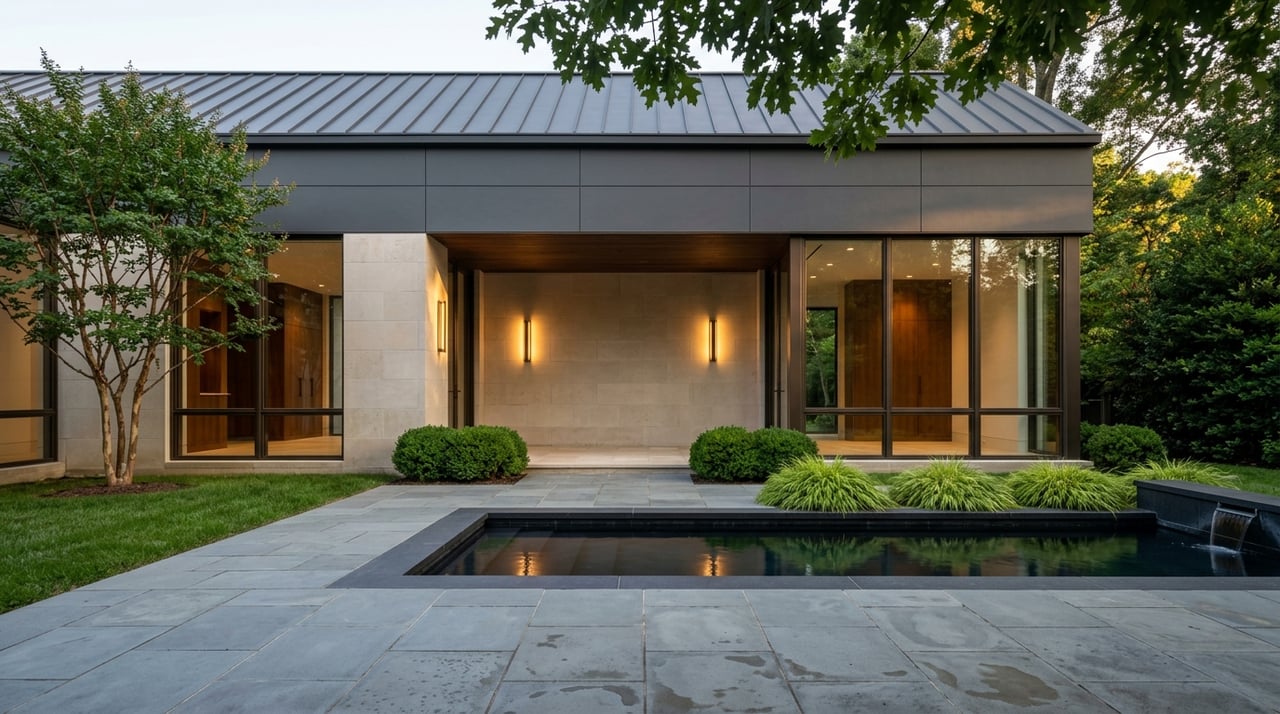
Along the river near Yardley, you’ll find older houses in colonial, Victorian, or vernacular styles close to the historic borough. There are also mid‑century and modern single‑family homes designed to frame river views with large windows and decks. Smaller cottages and bungalows appear in spots, and some properties near the water are attached or converted structures.
Lots can be narrow and deep to capture frontage, or larger estate parcels depending on location. Typical features include private docks or shared slips, bulkheads or stone revetments for shoreline protection, and walkout basements. Verify utilities early, since some parcels use wells or septic systems rather than municipal water and sewer.
Key river risks to understand
Flooding and groundwater
Flooding is the primary hazard on the Delaware. Review current maps on the FEMA Flood Map Service Center to see whether a structure lies in a Special Flood Hazard Area. For historical and seasonal context, check USGS streamgages and records and NOAA/National Weather Service river forecasts. Ask sellers for documentation of any past flood events and water intrusion.
Basements and slab‑on‑grade spaces near the river are more prone to moisture and mold. Plan for dehumidification, waterproofing, or design choices that keep living space above typical high‑water conditions.
Bank erosion and shoreline structures
Riverbanks can erode gradually or after storms. Bulkheads, revetments, and riprap help protect shorelines, but they have finite lifespans and can be significant future expenses. Docks and lifts require ongoing maintenance and may suffer winter ice damage. Installation or repair of shoreline structures can require permits, so confirm what was permitted and when.
Vegetation, pests, and microclimate
Dense riparian vegetation helps stabilize banks and reduce erosion. It can also limit views or introduce pests like mosquitoes and ticks. River breezes and higher humidity can accelerate wear on exterior paint, wood, and metal, so plan for more frequent maintenance.
Environmental and wetlands considerations
Floodwaters can deposit silt and other contaminants. Certain riverbank areas may fall under wetlands rules or buffer requirements that limit alterations. For guidance on water quality and permitting, review the Pennsylvania Department of Environmental Protection and the Delaware River Basin Commission.
Insurance and financing essentials
Flood zone basics
Federally regulated lenders require flood insurance for buildings located in FEMA Special Flood Hazard Areas. Use the FEMA Map Service Center to confirm the current panel for a property, since maps change over time. Lenders will conduct an official flood determination during underwriting.
Flood insurance options
Most buyers compare NFIP policies with private flood insurance quotes. NFIP availability and pricing depend on factors like elevation and building type, and some municipalities participate in programs that can influence rates. For consumer guidance, review FloodSmart, the NFIP resource. An Elevation Certificate prepared by a licensed surveyor or engineer can materially affect premiums.
Financing nuances for waterfront and second homes
Waterfront homes inside flood zones can trigger additional lender scrutiny, higher down payments, and escrows for flood insurance. Your occupancy classification matters, since second homes often have stricter debt‑to‑income reviews than primary residences. Get pre‑approved early and discuss property‑specific flood and insurance details with your lender upfront.
Documents to request early
- Flood insurance quotes from NFIP and private carriers, plus any elevation certificates on file.
- Seller’s disclosure of past flood or water intrusion events and repair invoices.
- Permit history for docks, bulkheads, or shoreline stabilization work.
- Title search highlighting riparian rights, recorded easements, and access.
How showings and inspections differ
Expect a standard home inspection plus specialists who understand riverfront systems. Order structural or engineering reviews for foundations and bulkheads, marine inspections of docks and lifts, and septic or well inspections if applicable. A mold or moisture assessment can be useful for basements and below‑grade areas.
During showings, focus on safe access to the water and the condition of stairs, railings, and non‑slip surfaces. Evaluate practical features such as boat storage, electrical service for lifts, and winterizing procedures. Ask who maintains docks, bulkheads, or shared shoreline features, and what typical costs look like.
Riverfront due diligence checklist
- Verify the flood zone and obtain an Elevation Certificate.
- Get flood insurance quotes from NFIP and private carriers.
- Order specialized inspections: structural, bulkhead, dock, septic or well, and mold/moisture.
- Request permits for shoreline work and a history of flood claims and repairs.
- Confirm utility connections for water and sewer.
- Review local ordinances for docks, shoreline alterations, and short‑term rentals.
- Consult a title professional about riparian rights and any recorded easements.
- Discuss second‑home financing and flood requirements with your lender early.
Permits and where to check
- Flood maps and insurance basics: FEMA Flood Map Service Center and FloodSmart
- River data and forecasts: USGS streamgages and history and NOAA/NWS river forecasts
- Basin‑level oversight and potential project review: Delaware River Basin Commission
- State permitting and wetlands guidance: Pennsylvania DEP
- County planning and municipal links: Bucks County official site
Smart ownership strategies
For a second home, focus on durability and low maintenance. Choose native landscaping that stabilizes banks, specify materials that handle humidity, and set clear winterizing routines for docks and outdoor systems. Consider local contractor relationships for periodic check‑ins.
For a move‑up primary residence, model long‑term costs alongside the lifestyle premium. Budget for shoreline structure repairs or replacement, flood insurance, and exterior upkeep. Keep all permits, elevation data, and maintenance records organized to support future resale.
The bottom line
Buying riverfront in Yardley is about knowing how to balance dream and diligence. With the right maps, inspections, permits, and insurance comparisons, you can enjoy the waterfront lifestyle and protect your investment. If you would like curated guidance on specific properties, private showings, or off‑market opportunities, connect with B&B Luxury Properties for a discreet, concierge consultation.
FAQs
Do Yardley riverfront homes require flood insurance?
- If a building lies in a FEMA Special Flood Hazard Area, federally regulated lenders require flood insurance as a loan condition.
How do I check if a Yardley property is in a flood zone?
- Search the address on the FEMA Flood Map Service Center and review the most current panel and zone designation.
What inspections are recommended for Delaware River homes?
- In addition to a standard home inspection, arrange structural or engineering reviews, bulkhead and dock inspections, septic or well checks, and a moisture or mold assessment.
Can I add or repair a dock on the Delaware near Yardley?
- Many shoreline projects require permits, so review rules with the Delaware River Basin Commission and Pennsylvania DEP before planning work.
Where can I find local rules for short‑term rentals or shoreline work?
- Start with municipal and county resources linked from the Bucks County official site, then confirm specifics with the appropriate permitting authorities.