Considering a $2M+ estate in Upper Makefield’s Washington Crossing area? You are shopping in one of Bucks County’s most coveted country enclaves, where privacy, acreage and history meet modern convenience. In this guide, you will learn how estates are defined locally, what to verify before you buy, and which inspections and timelines matter most. Let’s dive in.
What “estate” means in Upper Makefield
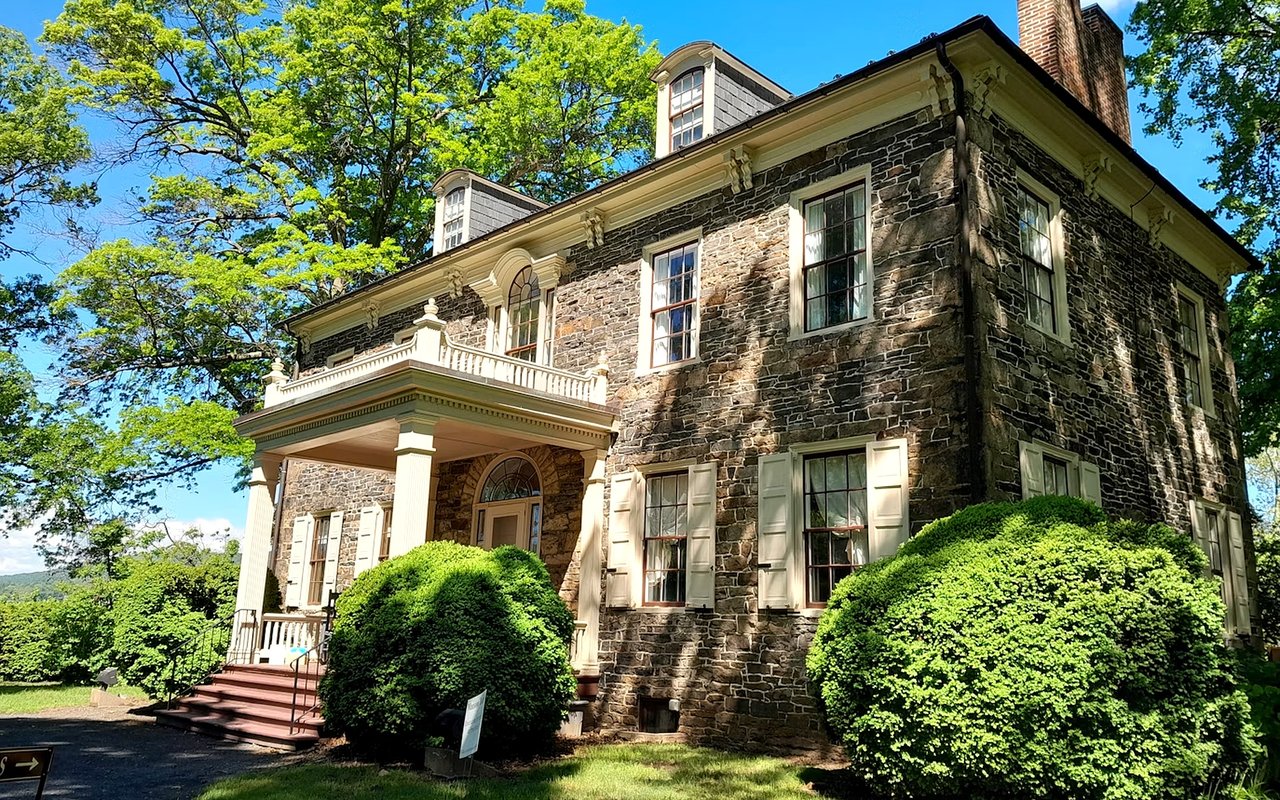
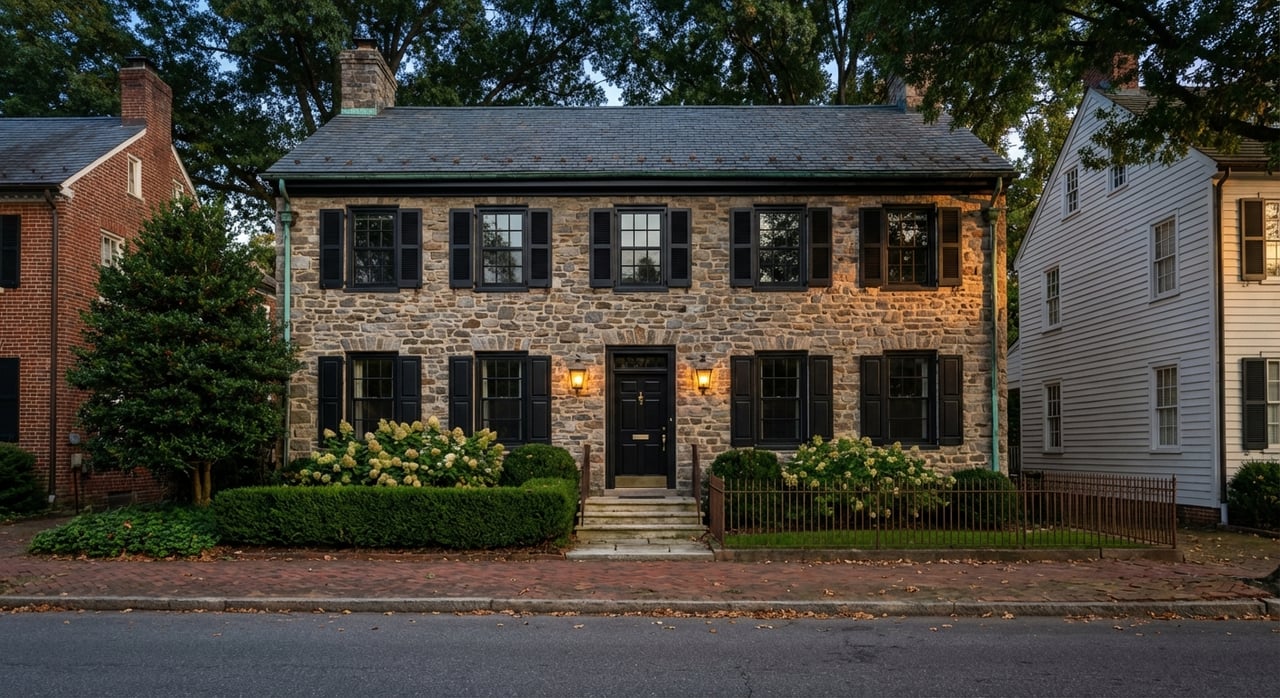
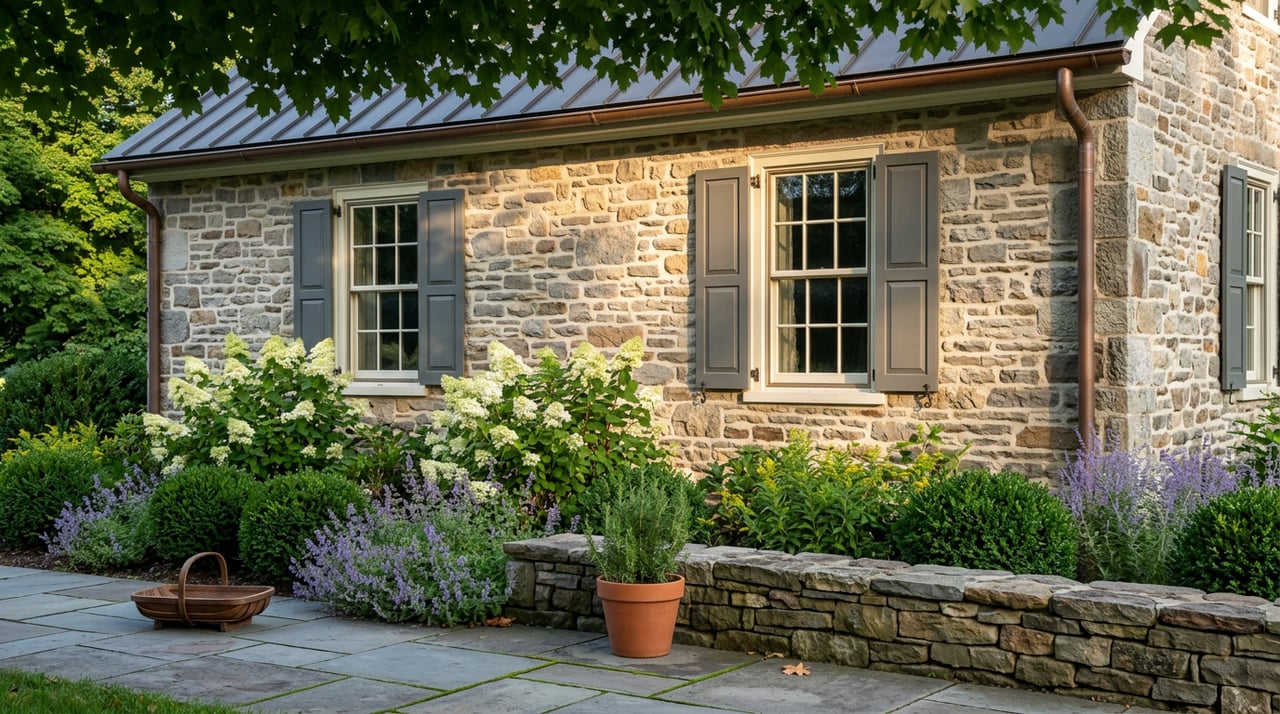
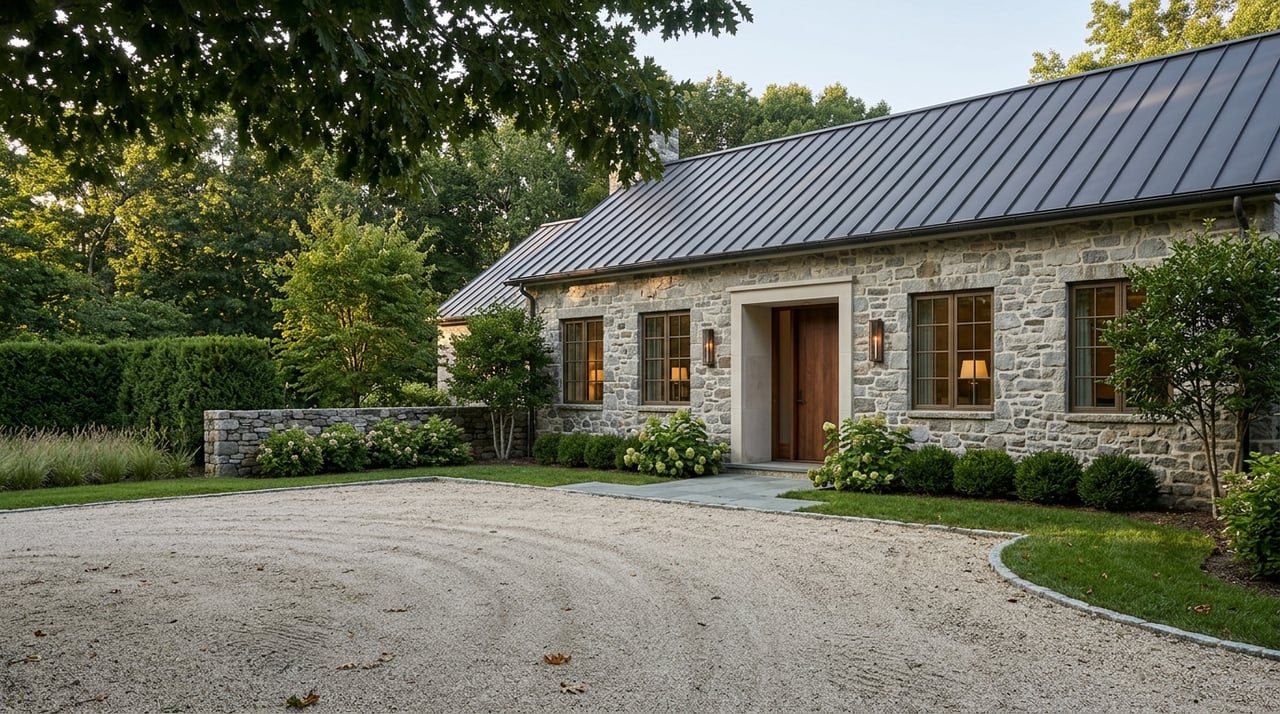
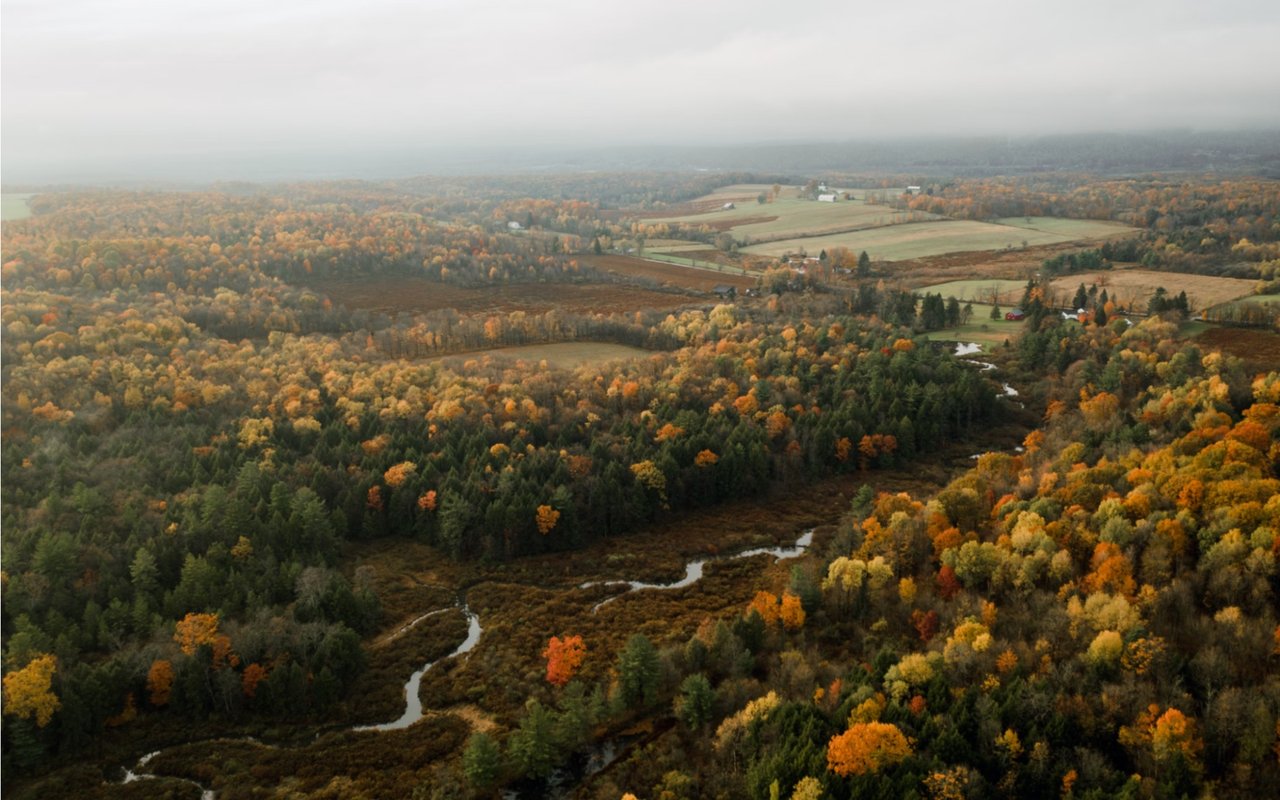
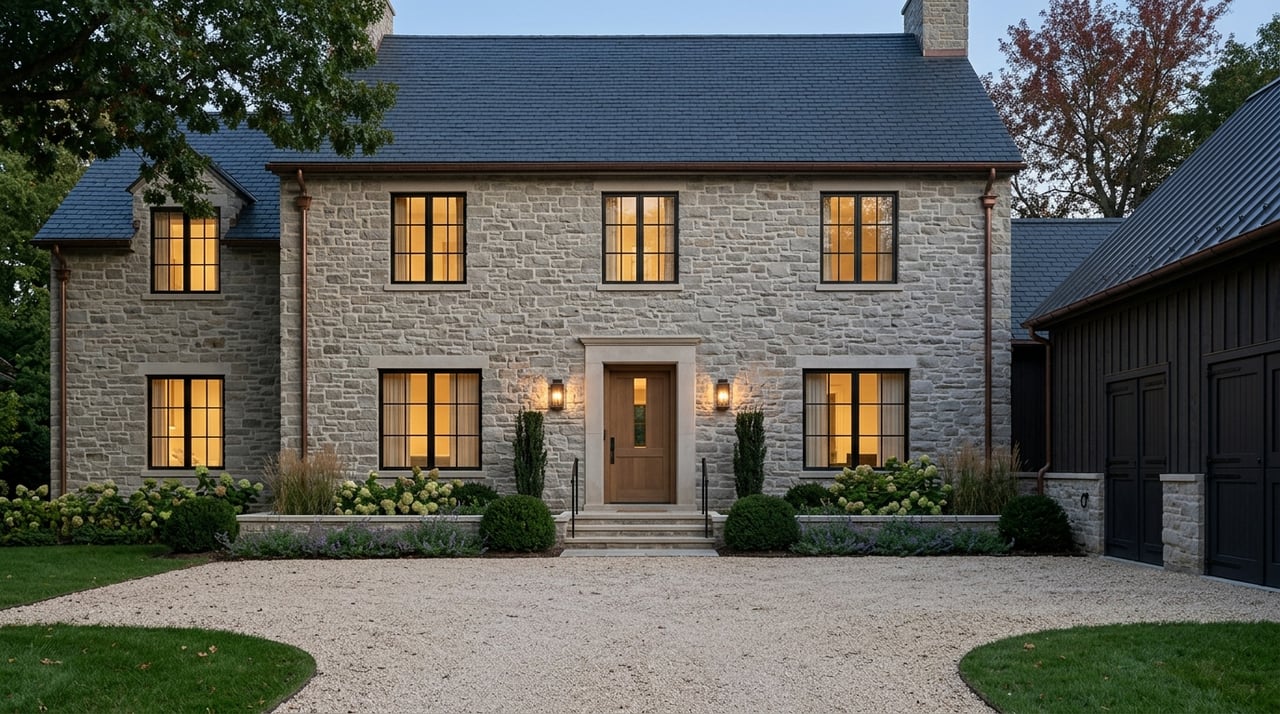
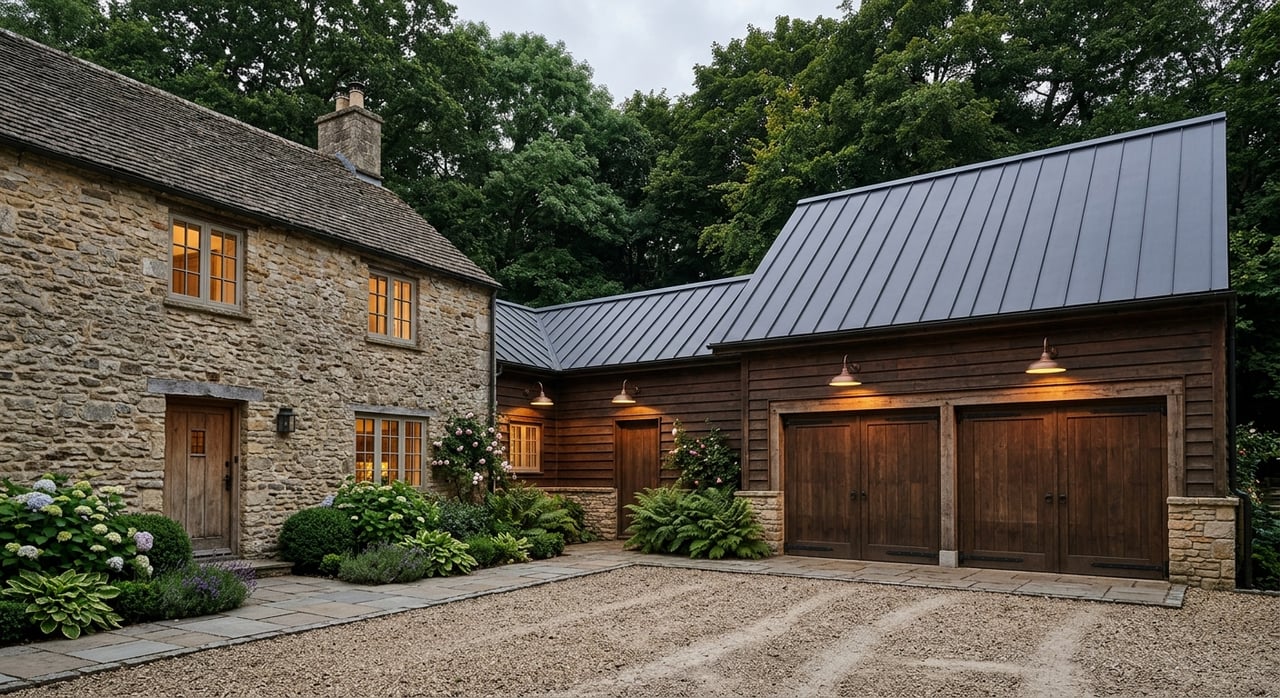
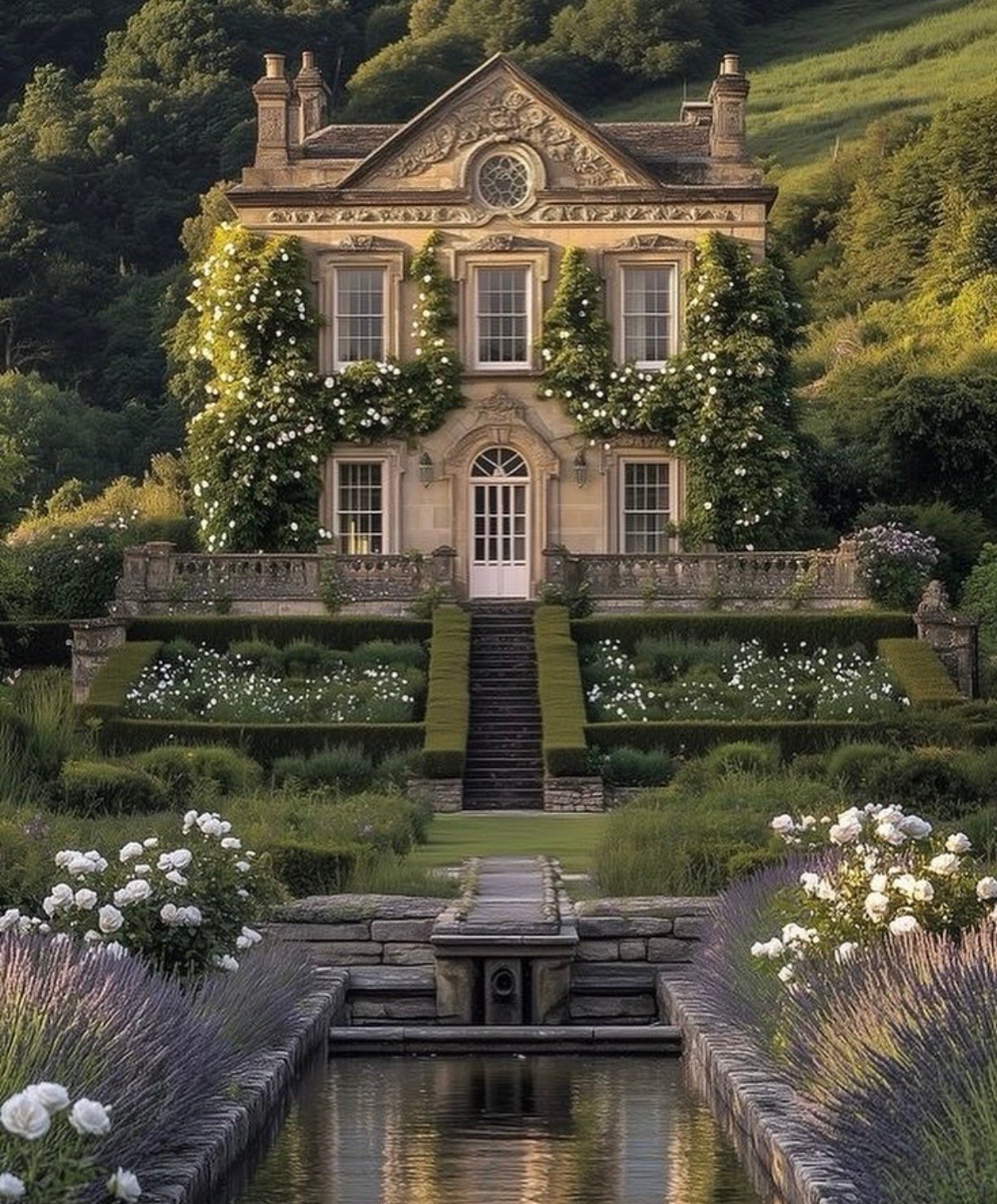
In Upper Makefield, “estate” is a market term, not a legal category. Most estates span multiple acres, often 5 to 50 or more, with privacy buffers, mature trees and purpose-built outbuildings like barns or indoor arenas. Many properties reflect historic character or sit near preserved landscapes, which can enhance long-term value. You can explore the township’s maps to understand open space, historic resources and flood data in context using the Upper Makefield mapping resources.
Why this market commands $2M+
Upper Makefield is a premium micro-market with regular multi-million-dollar transactions on large, well-improved parcels. Current market snapshots show $2M+ sales are a normal part of the landscape, not an outlier; review the Upper Makefield market report as you evaluate individual properties. Preservation is a local priority, with significant land held in open space or conservation, which supports scenic value and generally stable neighborhood character. That same preservation focus can also limit future nearby development, which is helpful to weigh during due diligence.
Zoning, uses and permits to verify
JMZO equestrian and agricultural uses
Upper Makefield participates in the Newtown Area Joint Municipal Zoning Ordinance. The ordinance defines equestrian and agricultural uses, animal units and accessory structures, and lists where certain uses are by-right or conditional. Before you assume new equestrian or commercial activities are permissible, confirm your parcel’s district and the rules in the JMZO Table of Use Regulations.
Municipal permitting and building codes
New barns, arenas, major outbuildings and large septic changes require permits. The township enforces international building, plumbing and electrical codes. Engage the Planning & Zoning office early to discuss setbacks, coverage limits and approval pathways.
Historic resources and floodplain mapping
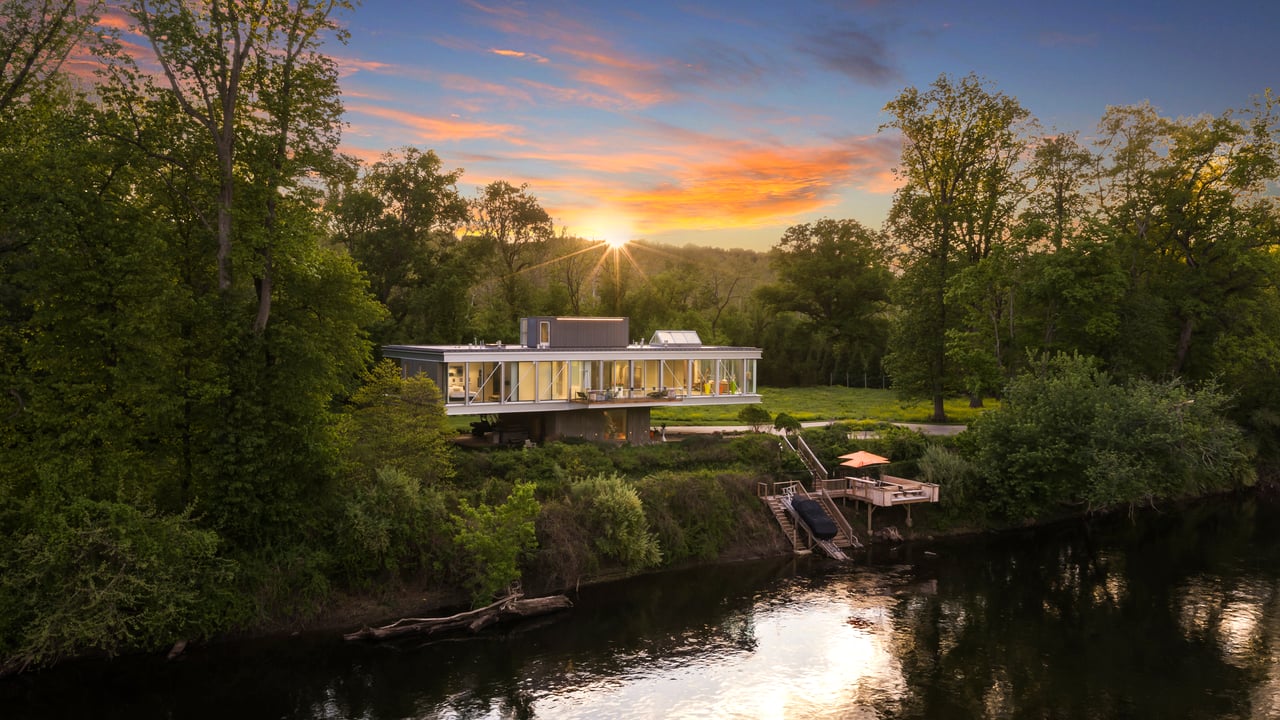
Some estates include or neighbor historic resources, and exterior changes may be reviewed. Riverfront or stream-adjacent parcels can sit in FEMA flood zones or floodways, which affects insurance and future improvements. Start with the township’s maps and resource library to flag historic layers, floodplains and riparian buffers.
Conservation and farmland easements
Large parcels may carry deeded conservation or agricultural easements. These restrictions can limit subdivision and some uses and they run with the land. Ask for recorded documents up front and compare them with your intended use; Pennsylvania’s program overview is a helpful primer on what these easements do in practice through the Agricultural Conservation Easement Program.
Environmental and infrastructure checks
Water, wells and septic systems
If a property relies on a private well, budget for certified lab testing for bacteria, nitrates, VOCs and metals, plus a yield test. For on-lot sewage, confirm system type, capacity, records and any required upgrades, especially if you plan to add guesthouses or host frequent events. The Bucks County Health Department’s Sewage Program outlines local permitting and records.
Wetlands, streams and river frontage
Earthwork near wetlands or streams can trigger federal and state reviews. Projects that disturb waters or wetlands may require a Section 404 permit from the U.S. Army Corps and related state 401 certification. Review plans with qualified specialists and learn the basics from this Clean Water Act overview before you commit to site changes.
Pipelines and utility easements
Recorded easements for pipelines, utilities and transmission lines can limit where you build and what you plant. Upper Makefield experienced a 2025 jet-fuel pipeline leak that led to private well contamination and ongoing monitoring, underscoring the value of environmental review and easement mapping. Use recent environmental reports and consult sources like the Delaware Riverkeeper hazardous-chemicals resource when evaluating risk.
Essential inspections for large estates
- ALTA/NSPS boundary survey mapping improvements, easements, floodplains and rights of way.
- Full title examination and title insurance, including a review of any Clean & Green or farmland assessment status.
- Phase I Environmental Site Assessment, with Phase II sampling if red flags appear.
- Private well testing and a sustained yield test if water demand is high.
- Septic inspection, pump and evaluation, with county records pulled for system history.
- Equestrian facility inspection covering structure, footing, drainage, fencing and manure storage; see Penn State’s horse stable manure management guidance.
- Wetlands delineation, flood-risk study and, on riverfront parcels, shoreline and erosion assessment.
- Arborist report for tree risk and woodland management planning.
Timeline, negotiation and how a concierge broker helps
High-value rural transactions often need longer due diligence so your team can complete surveys, ESAs and agency reviews. It is common to negotiate 30 to 90 days for inspections and contingencies on estates, rather than the short windows typical of suburban homes. Learn why extended diligence matters from this legal perspective on real estate due diligence.
A skilled concierge broker can pre-screen and vet interested parties, coordinate specialized inspectors and engineers, and liaise with the township, county health and relevant land trusts. They can also manage confidentiality with NDAs and staged disclosures while staying mindful of MLS rules. Expect negotiation levers like extended escrow, repair or remediation holdbacks, price adjustments tied to permitted-use findings and clear carve-outs for existing easements.
Upper Makefield buyer checklist
- Pre-offer: Line up proof of funds and define your privacy needs. Ask your broker for the zoning district, FEMA status, known easements and a high-level title abstract using the township maps as a starting point.
- At contract: Order the ALTA survey, title search and insurance commitment. Schedule a Phase I ESA, well sampling and yield test, septic inspection with county records, and, if relevant, wetlands and flood engineering.
- For equestrian use: Order a barn and arena inspection and confirm whether your horse density or operations will require a manure-management plan consistent with Penn State Extension’s guidance.
- Before closing: Confirm preliminary municipal feedback in writing where needed, finalize title exceptions and easement interpretations, and verify insurance availability, including any special-market flood or pollution coverage if applicable.
Red flags to surface early
- Documented contamination or ongoing remediation near the site, including pipeline incidents.
- Floodway and wetlands encumbrances that materially reduce buildable area or increase insurance costs.
- Boundary conflicts or unrecorded access issues.
- Conservation or historic easements that block core intended uses.
- Inadequate well yield or septic capacity for your plans.
- Zoning or conditional-use limits that prevent equestrian or commercial activities you want to pursue.
Work with a local concierge advisor
Buying an estate here is both exciting and complex. With multi-agency rules, specialized inspections and limited inventory, you benefit from a boutique team that knows the land, the process and how to protect your privacy. If you would like a tailored plan for your search, private previews and due diligence, connect with B&B Luxury Properties. Request a private consultation.
FAQs
What defines an “estate” in Upper Makefield?
- Typically multi-acre parcels with strong privacy, mature landscape buffers and purpose-built outbuildings such as barns or arenas, often near preserved open space referenced in the township’s mapping resources.
Can I add a barn or riding arena on my Upper Makefield estate?
- Possibly, but equestrian uses are district-specific and may be conditional; confirm your zoning and setbacks in the JMZO Use Regulations and speak with Planning & Zoning.
How do conservation or farmland easements affect a purchase?
- They run with the land and can limit subdivision and some uses; request recorded documents early and review the state’s Agricultural Conservation Easement Program for context.
Which inspections are most important for a large estate here?
- An ALTA survey, title review, Phase I ESA, well and septic testing, wetlands/flood studies and, for horse properties, a barn and manure-management evaluation using Penn State Extension guidance.
How long should I expect for estate due diligence in this market?
- Many estate buyers negotiate 30 to 90 days for inspections and contingencies so complex surveys and environmental work can be completed; see this due diligence overview for why timelines matter.