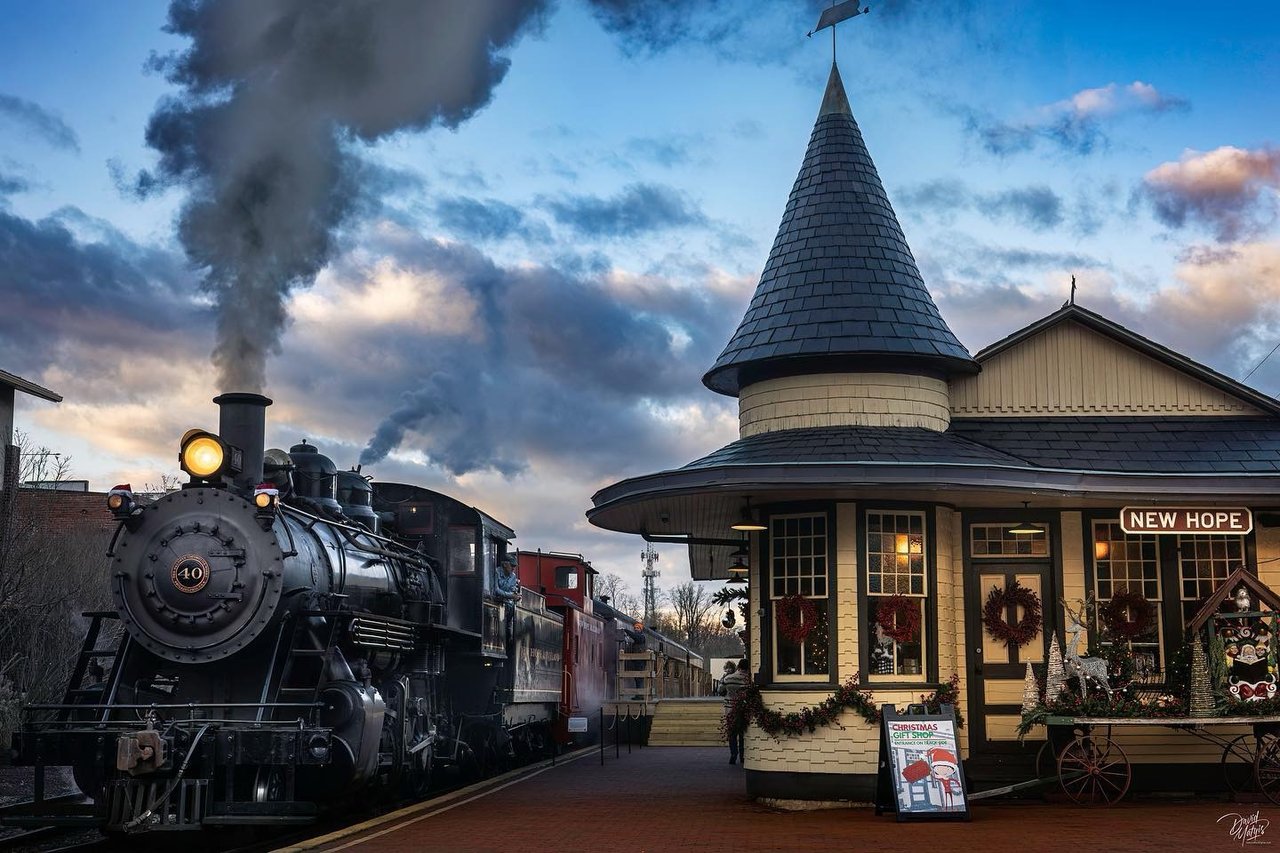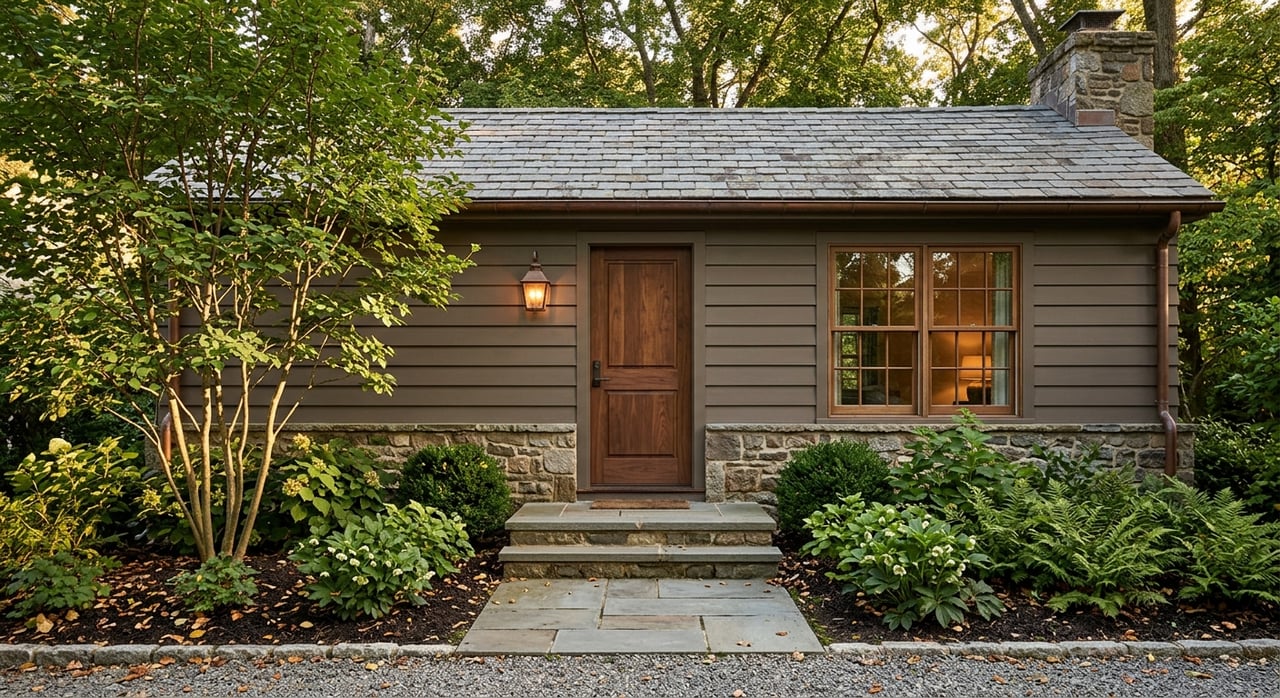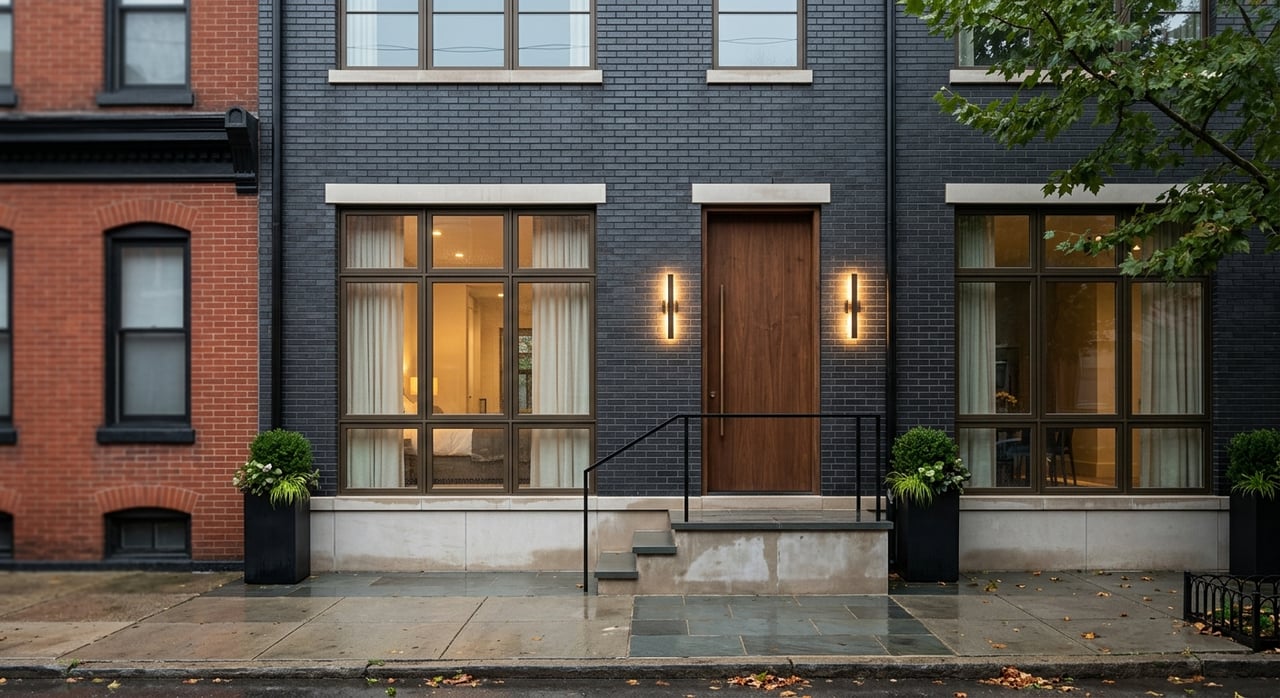
Thinking about a weekend base between New York and Philadelphia that also pulls its weight as an income property? In Lambertville, you get a walkable, historic river town paired with New Hope, Pennsylvania right across the bridge, plus steady arts and dining traffic all year. If you are eyeing a pied‑à‑terre or a small short‑term rental, the opportunity is real, but so are the rules. In this guide, you’ll learn what types of properties sell here, how local permits work on both sides of the river, what revenue patterns look like, and how to budget and de‑risk your purchase. Let’s dive in.
Why Lambertville works for second homes
Snapshot and property types
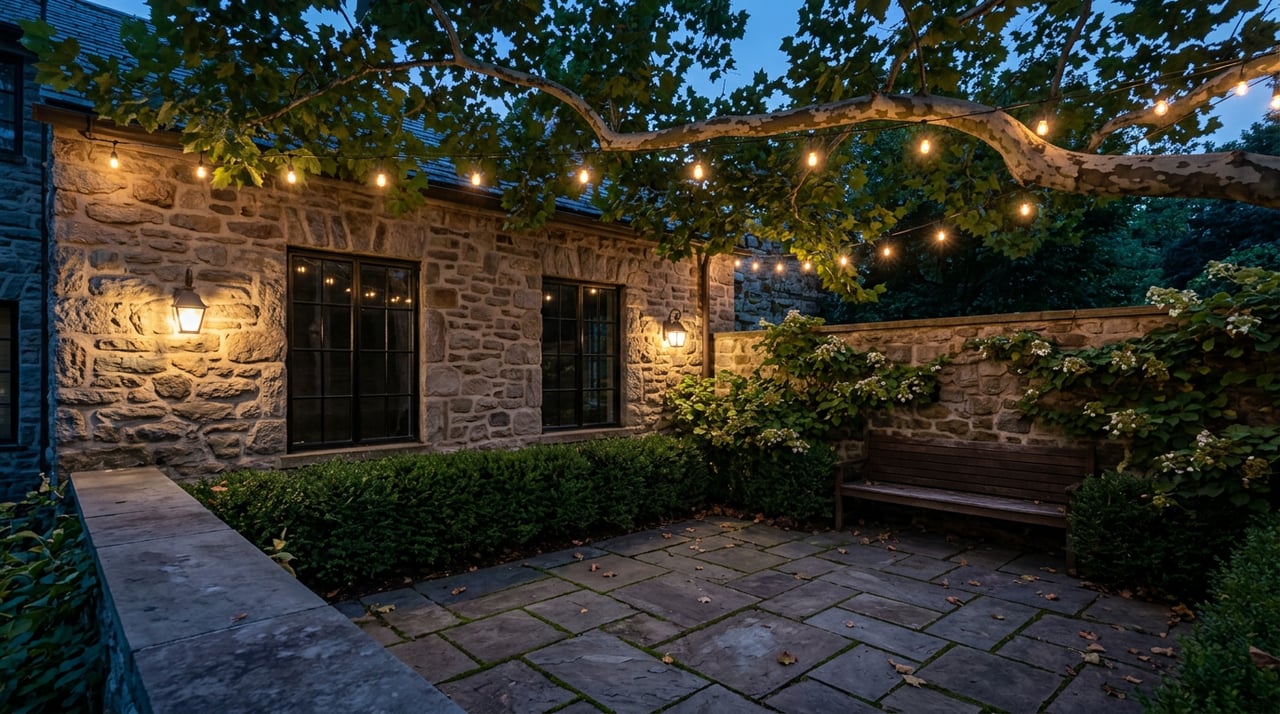
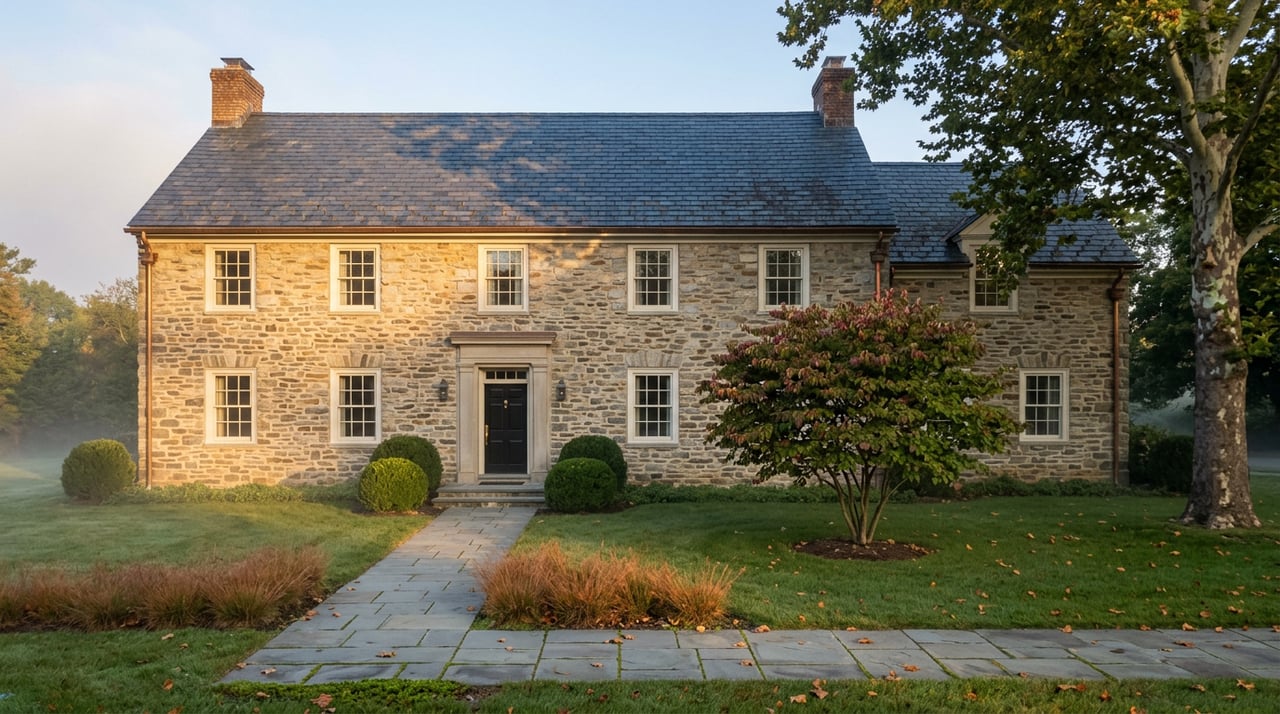
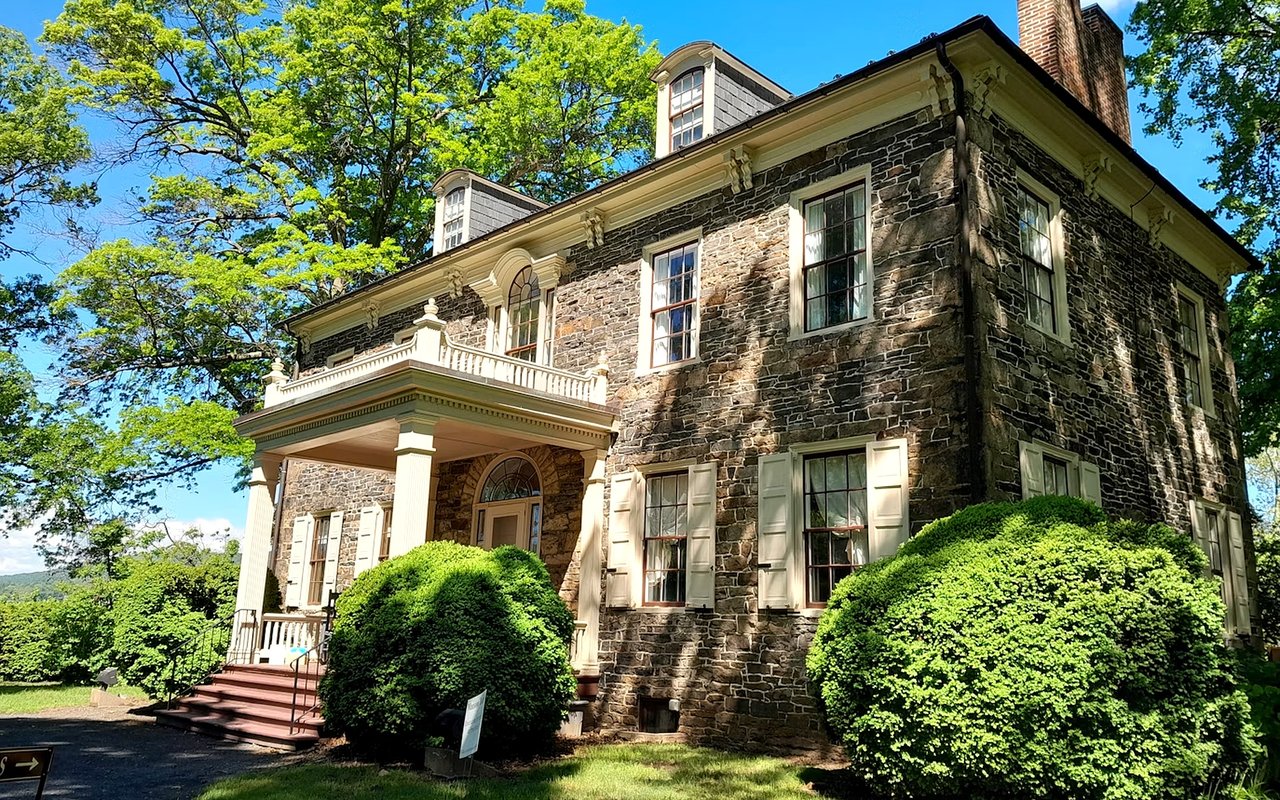
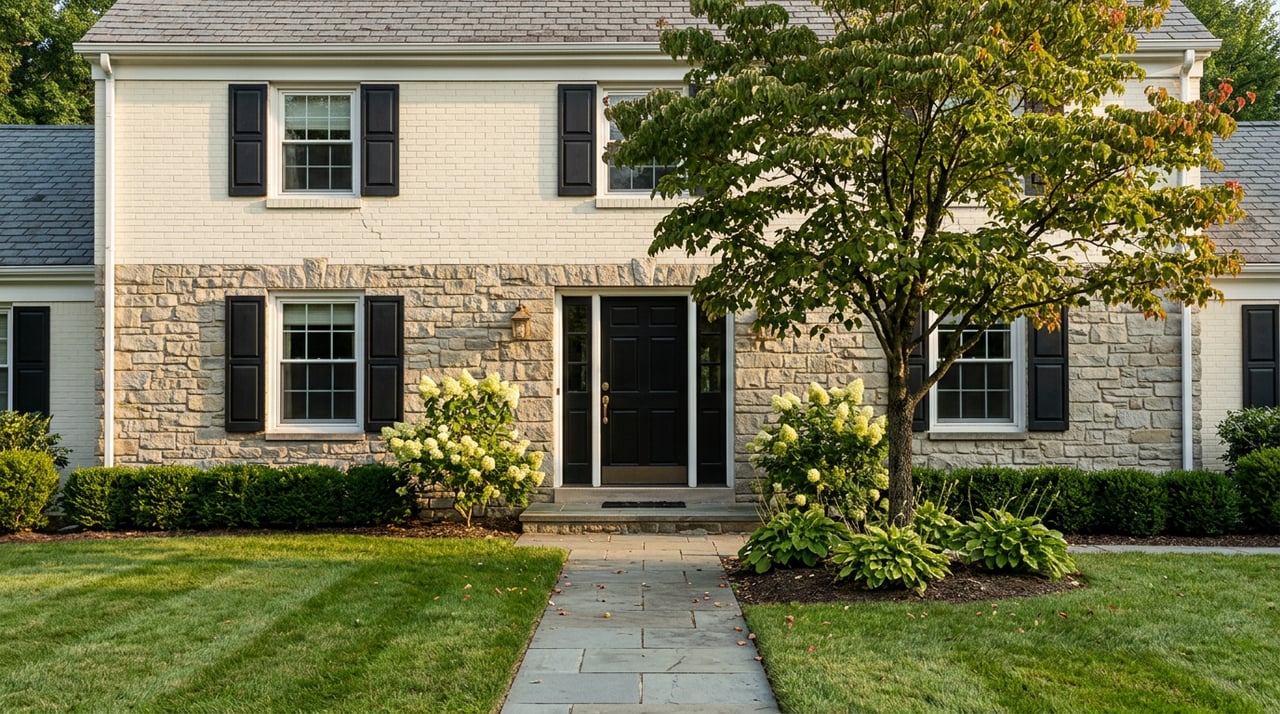
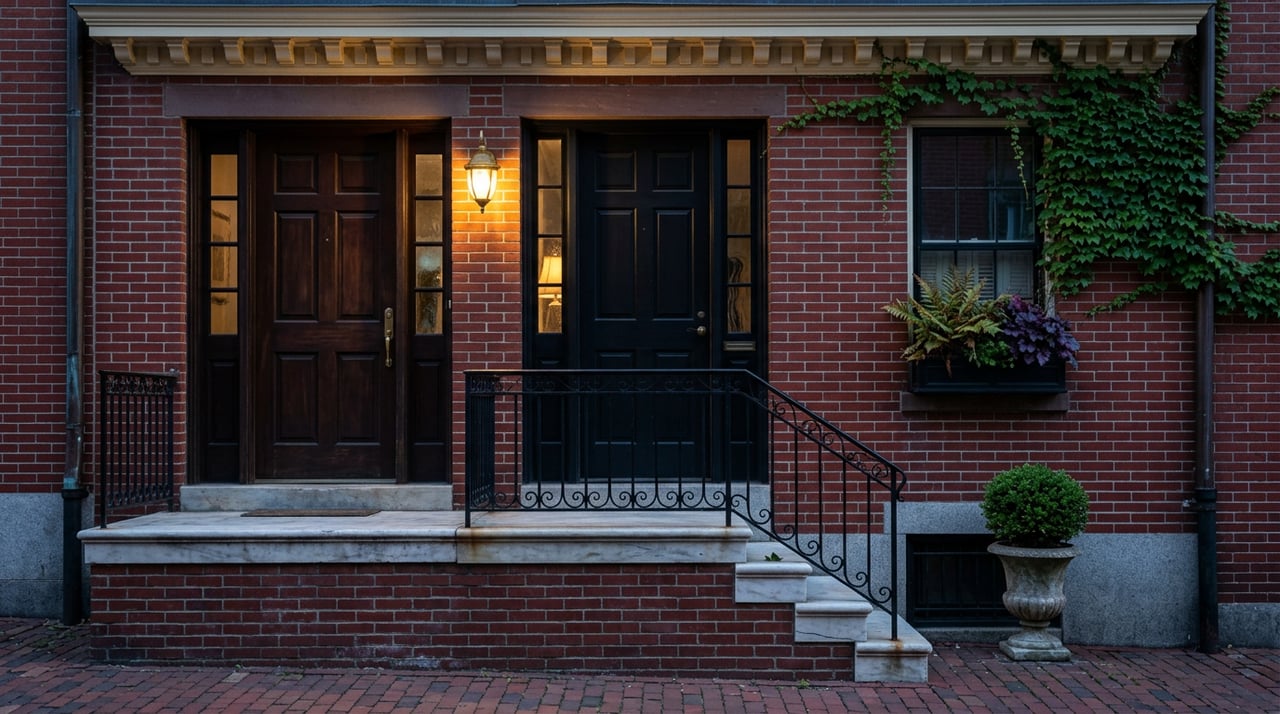
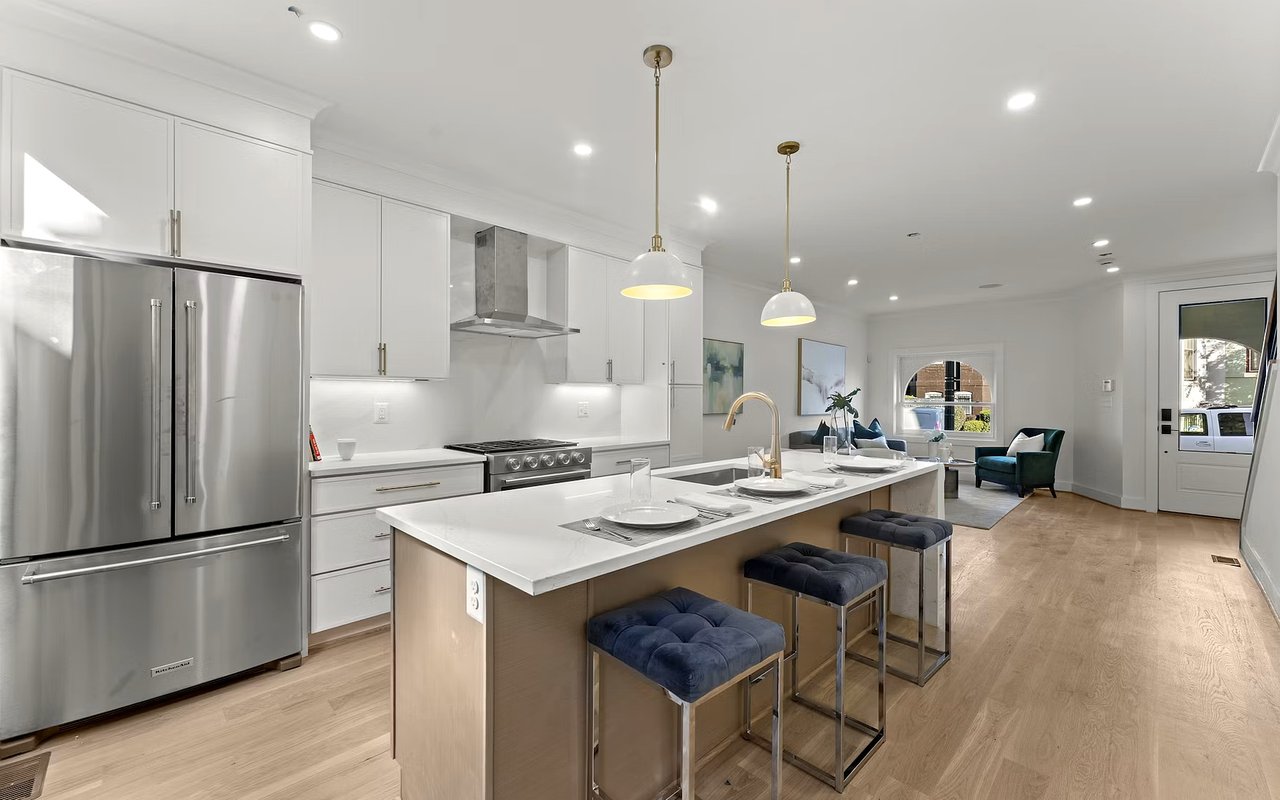
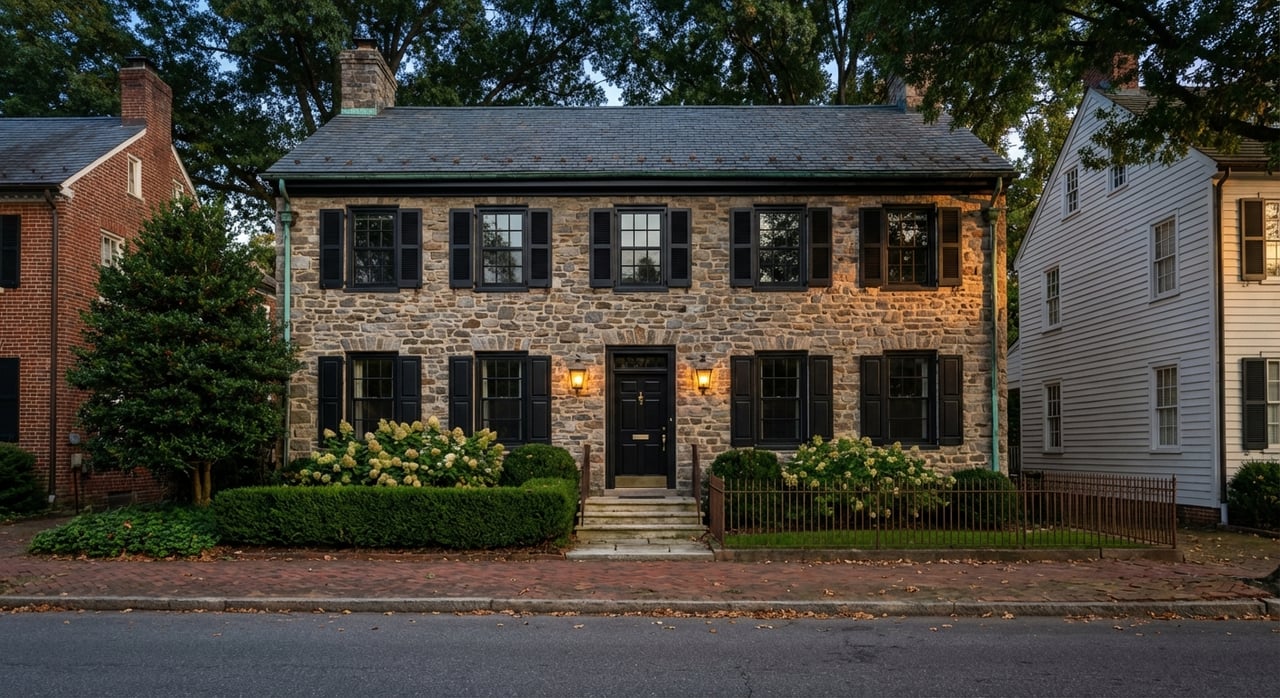
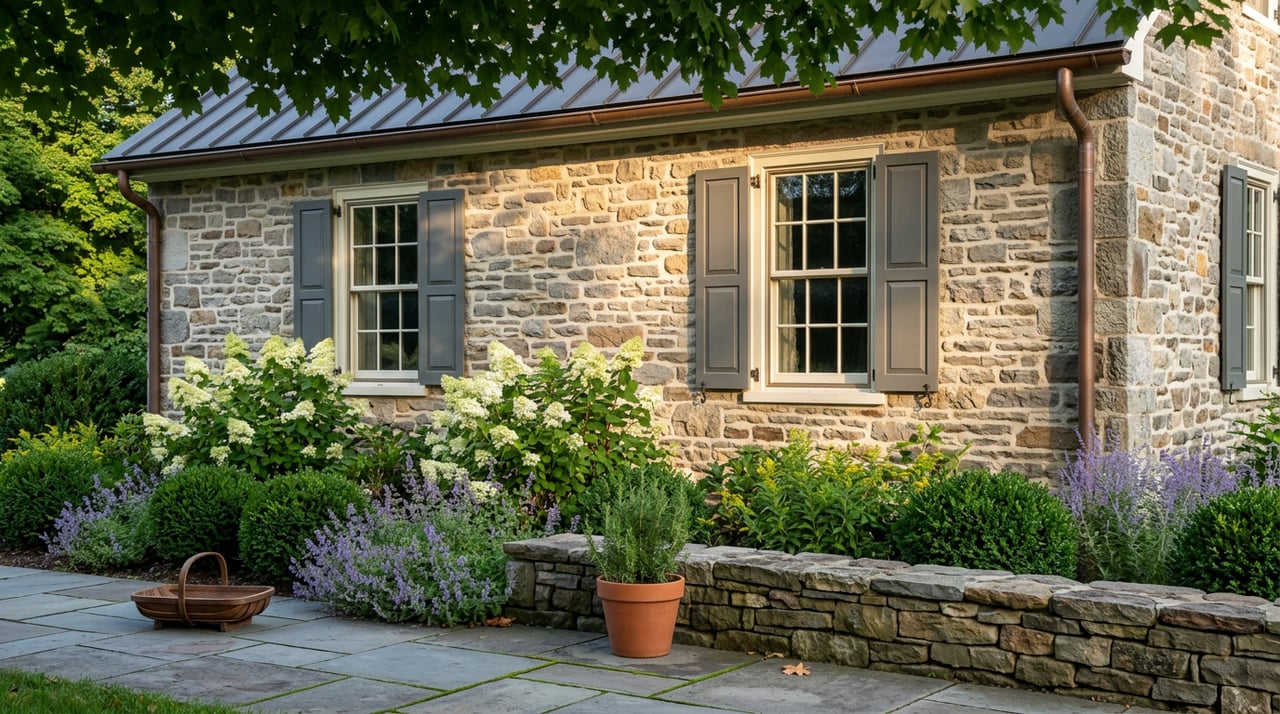
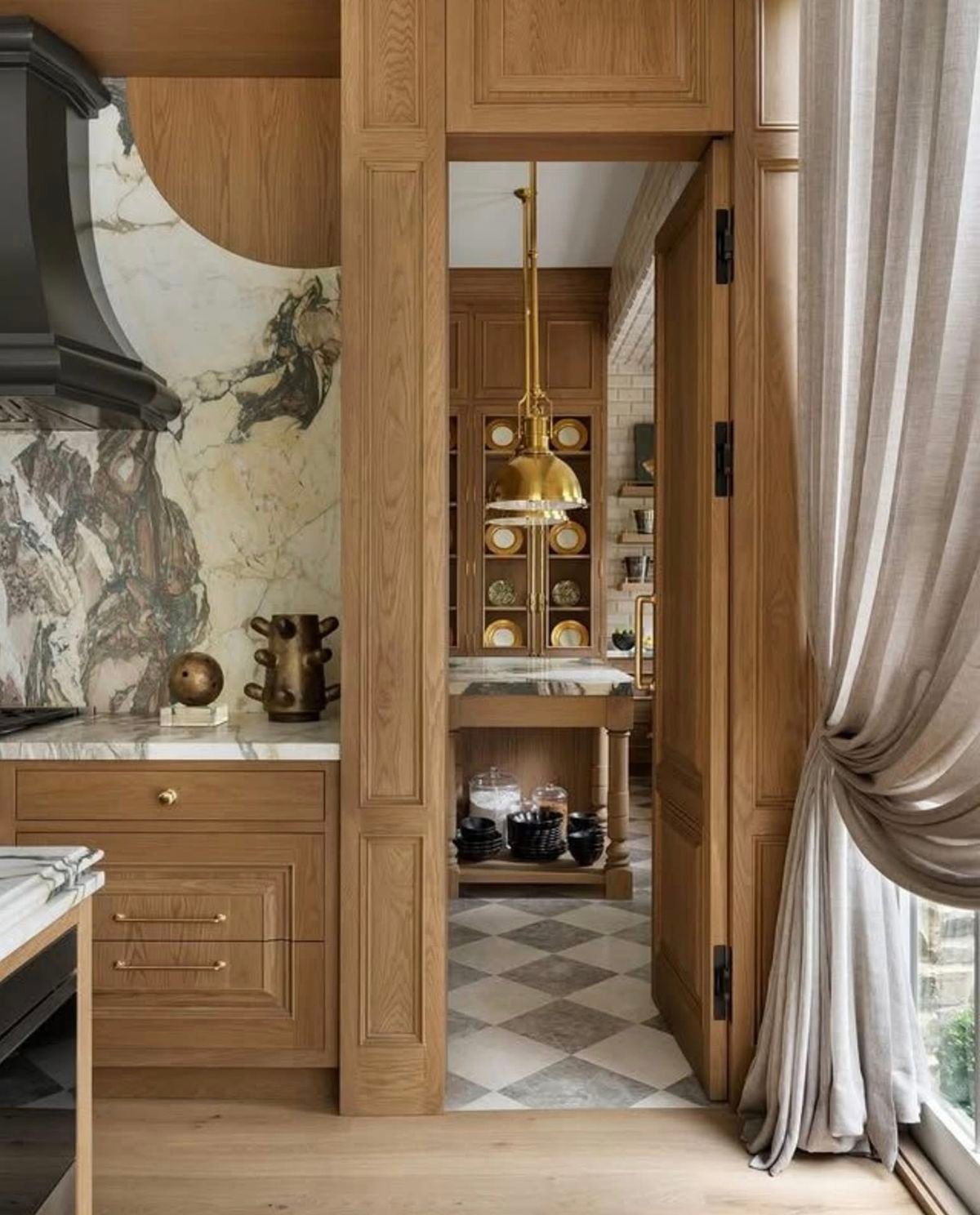
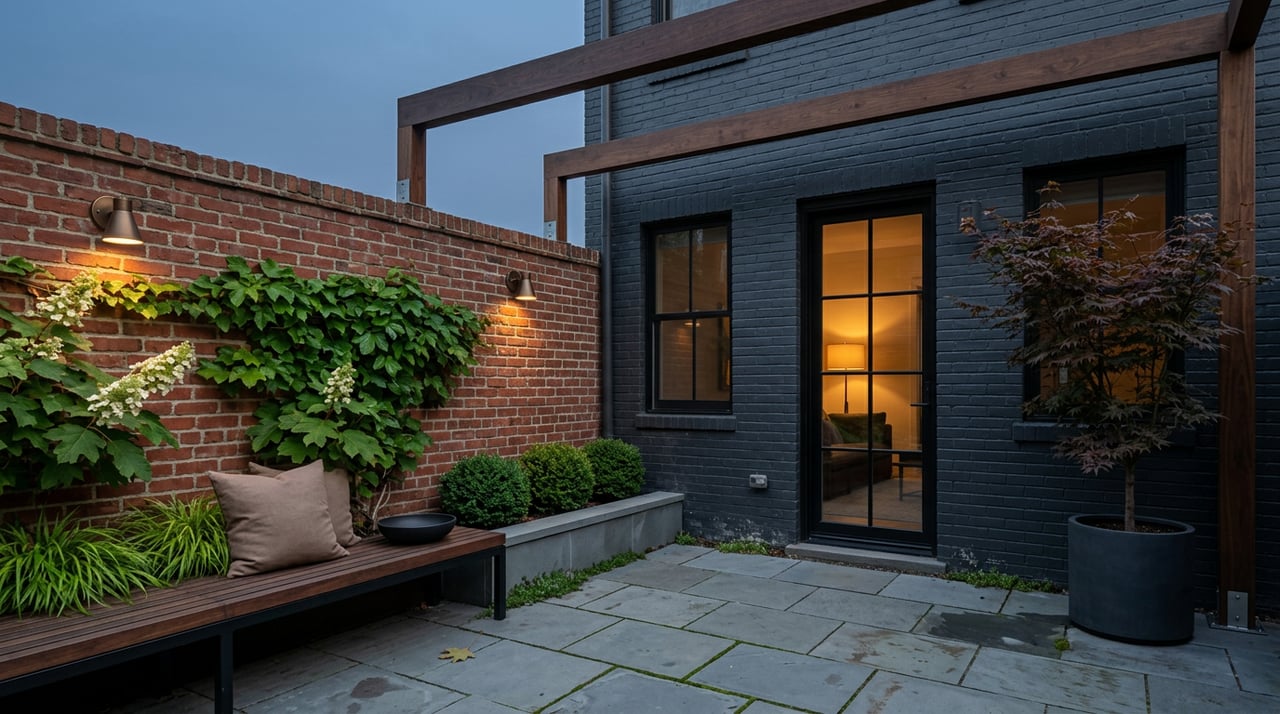
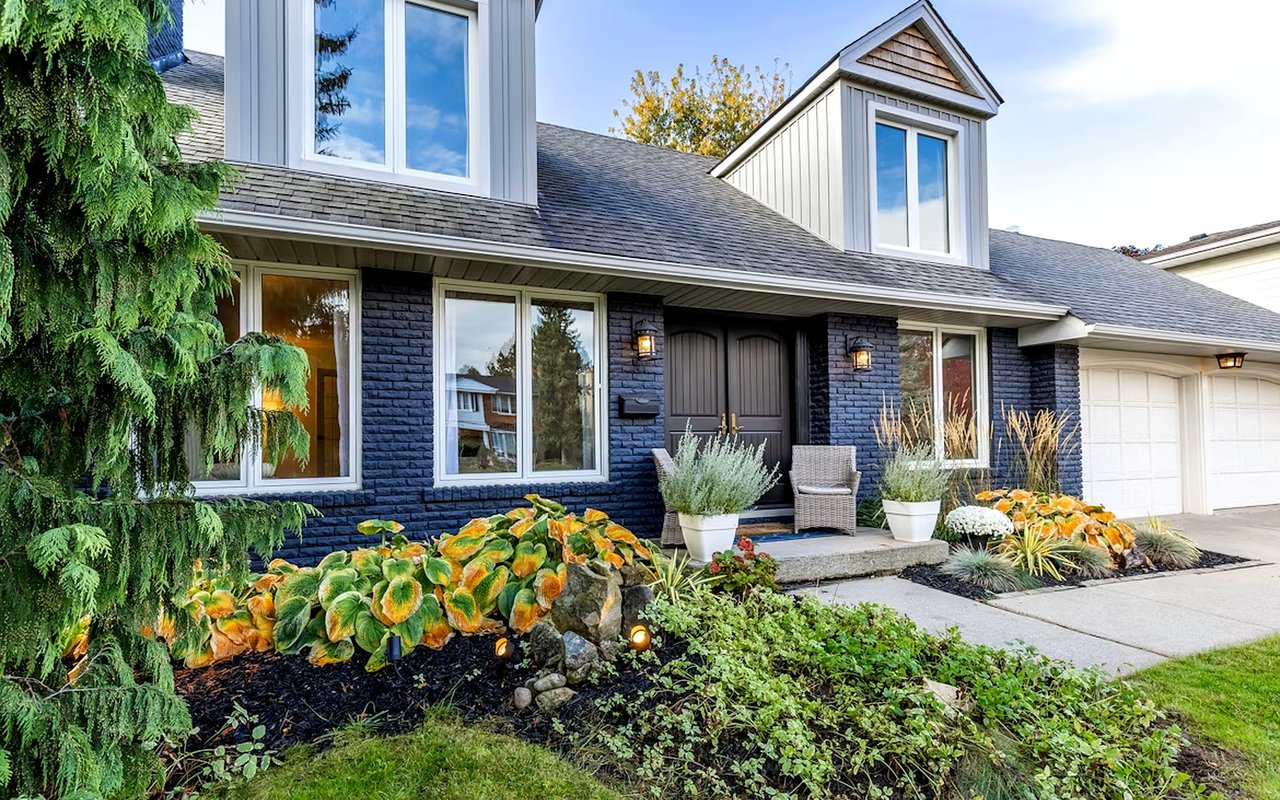
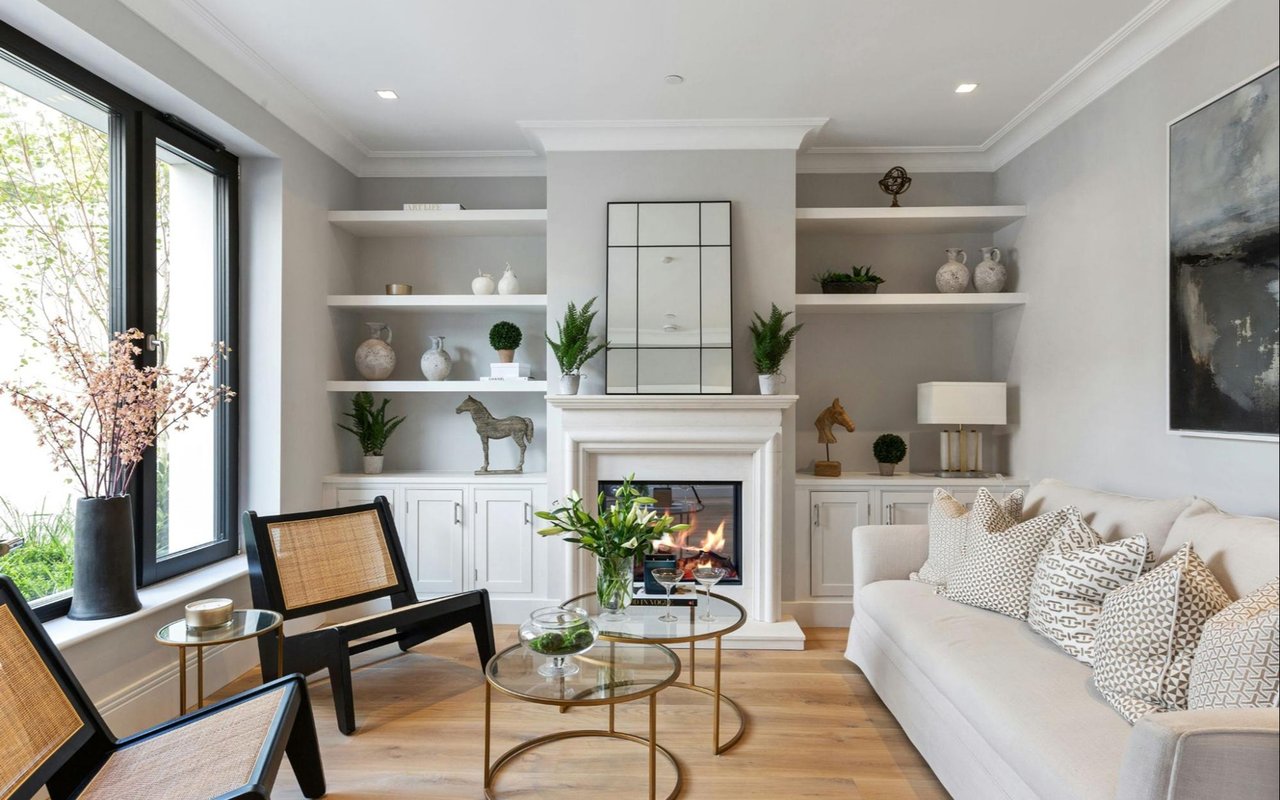
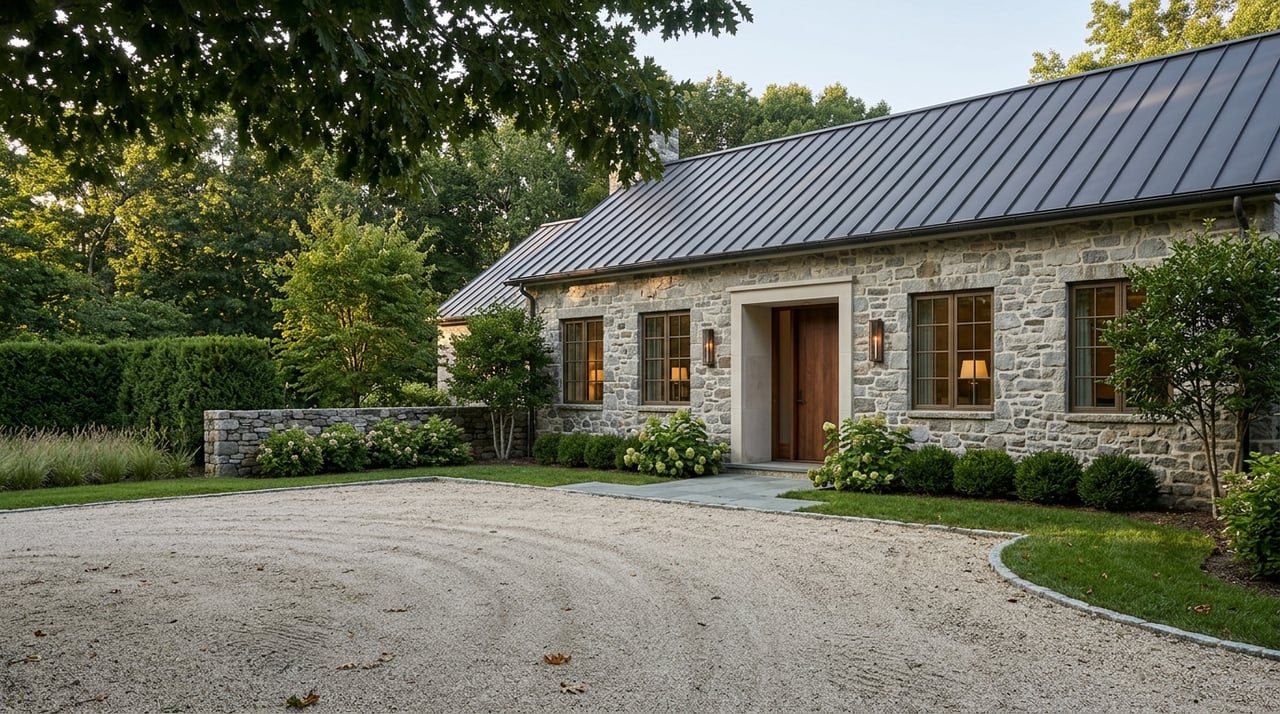
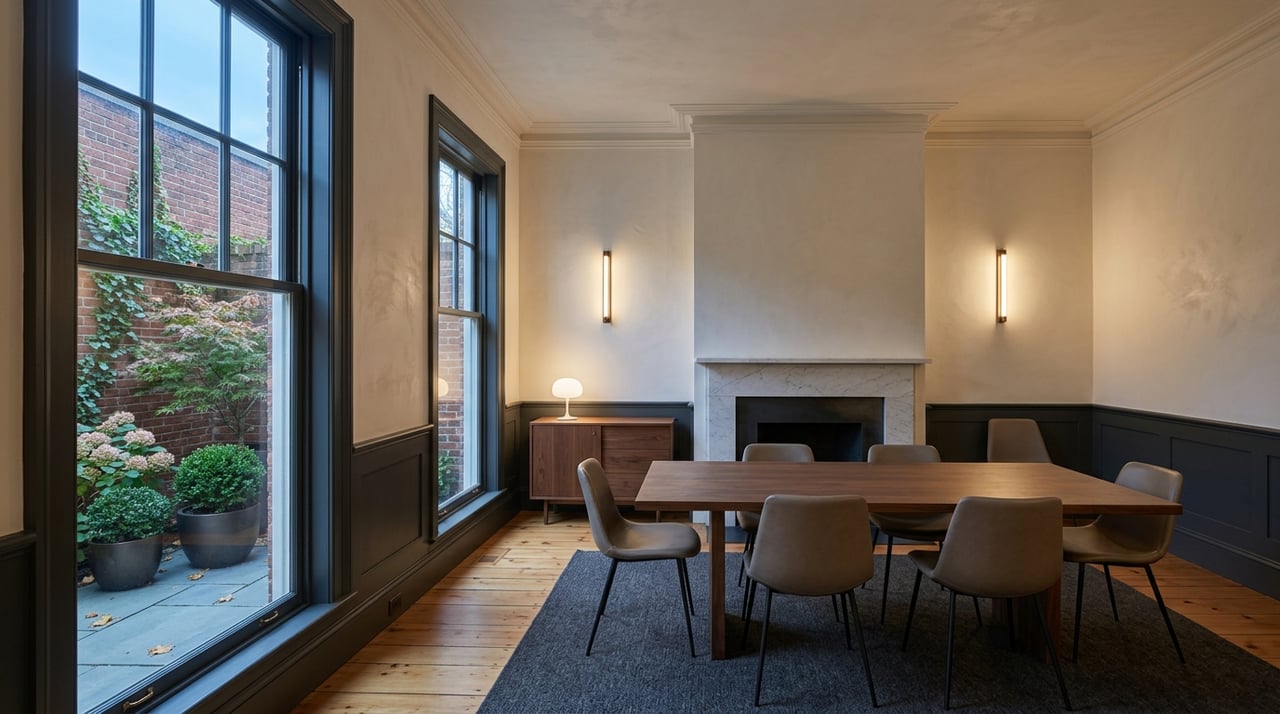
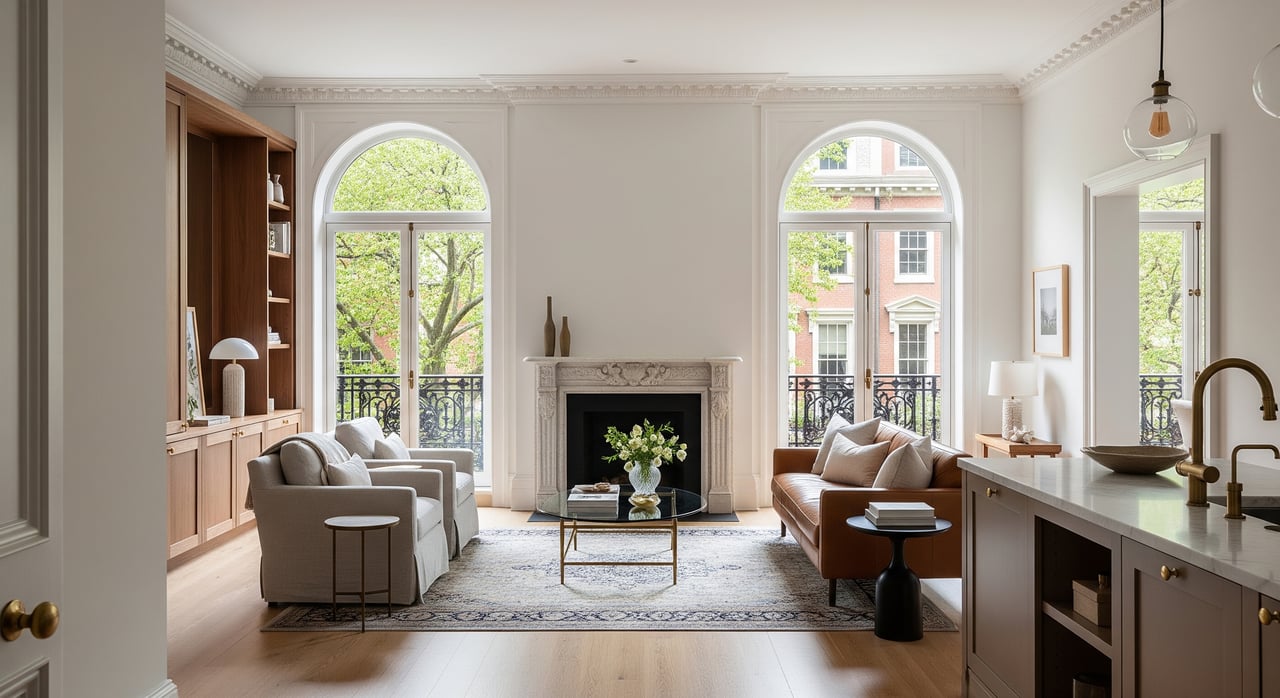
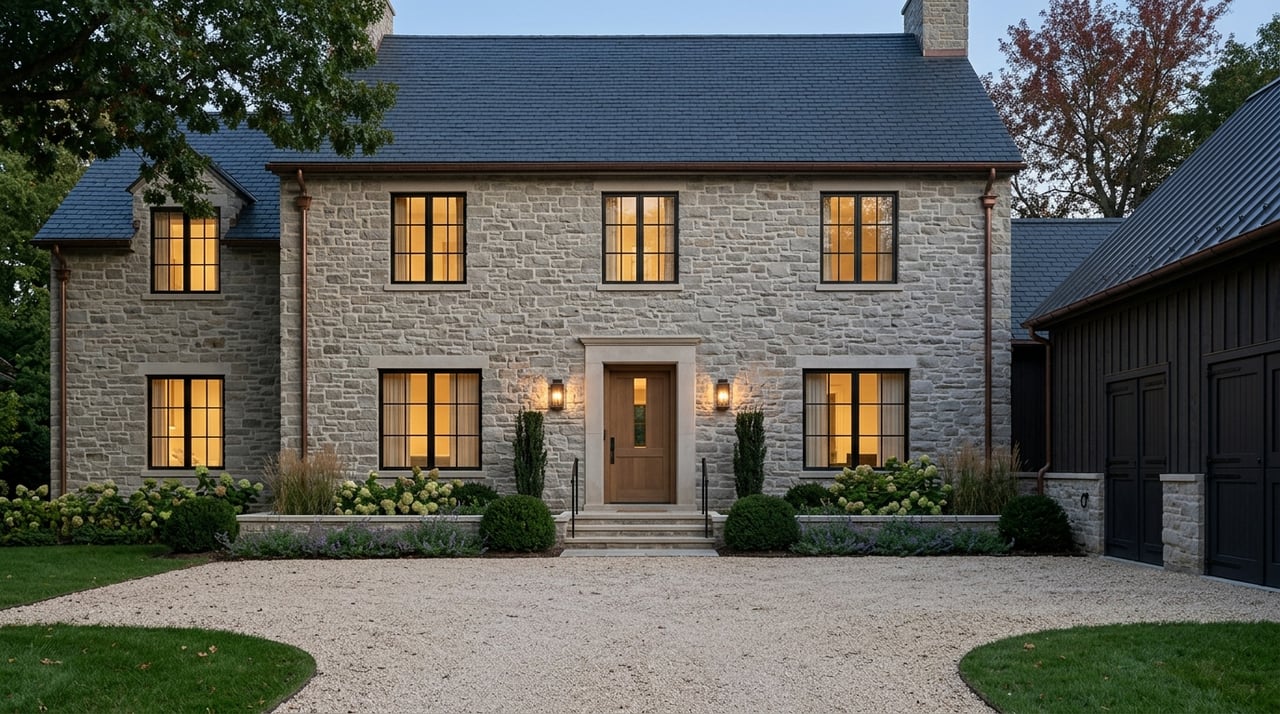
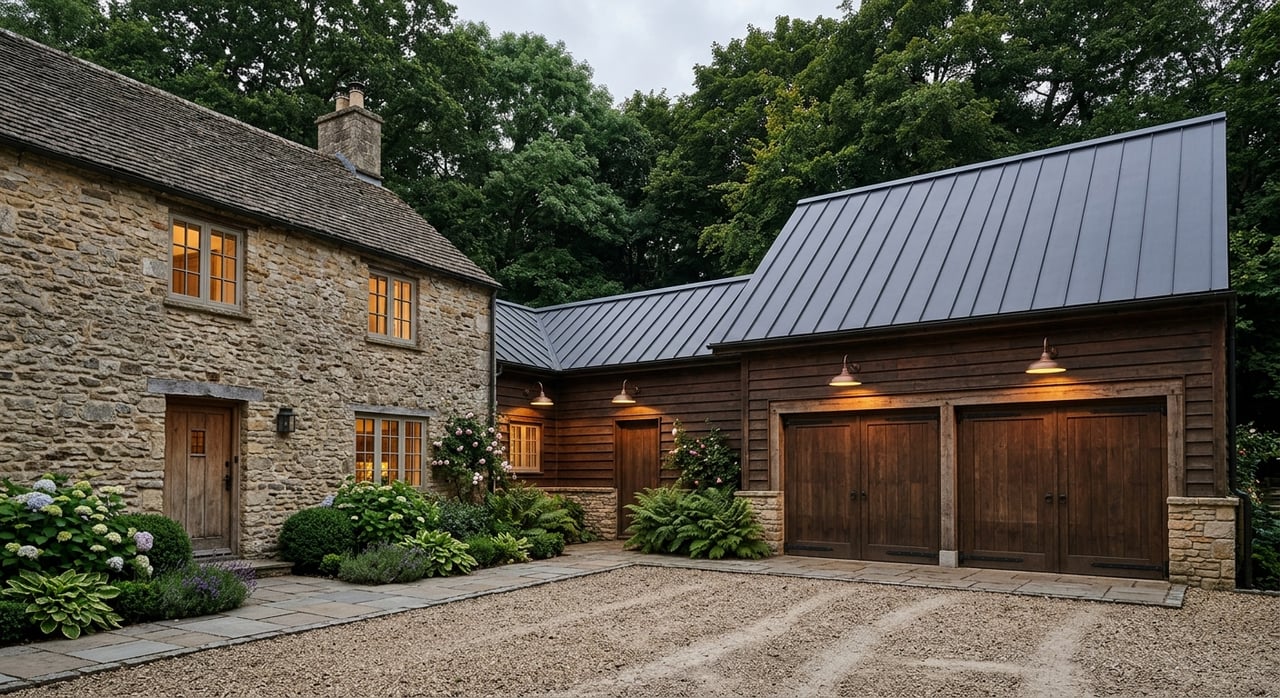
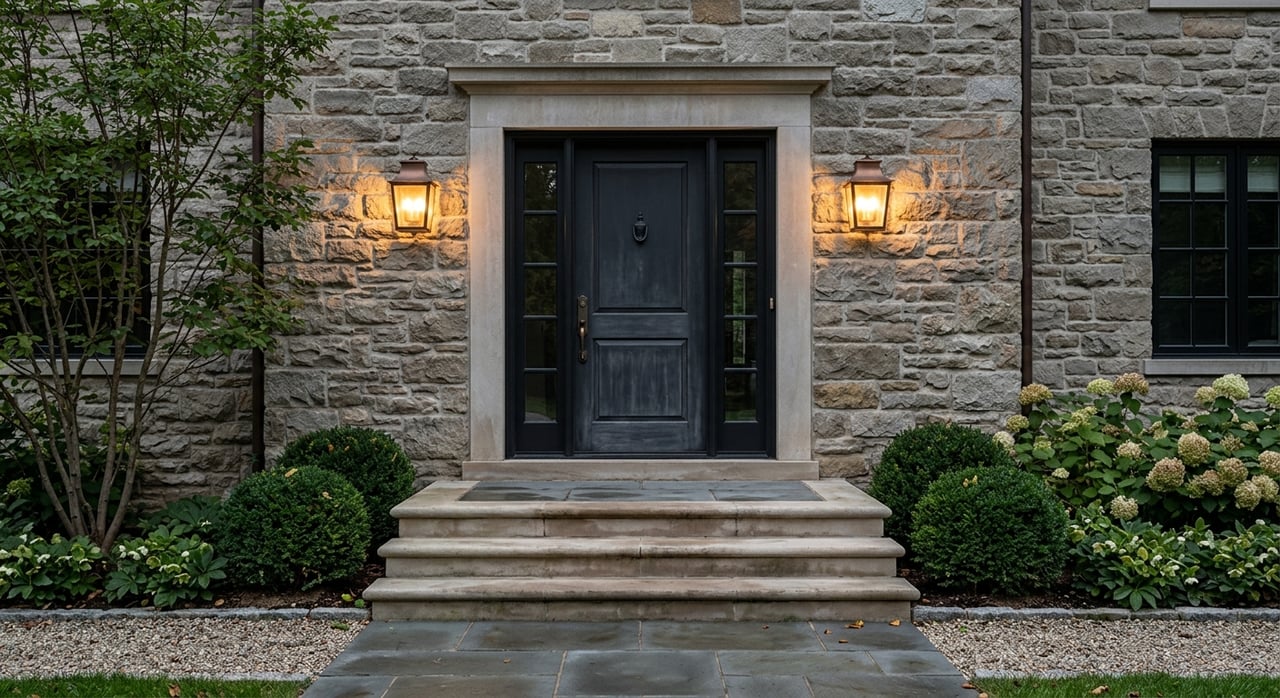
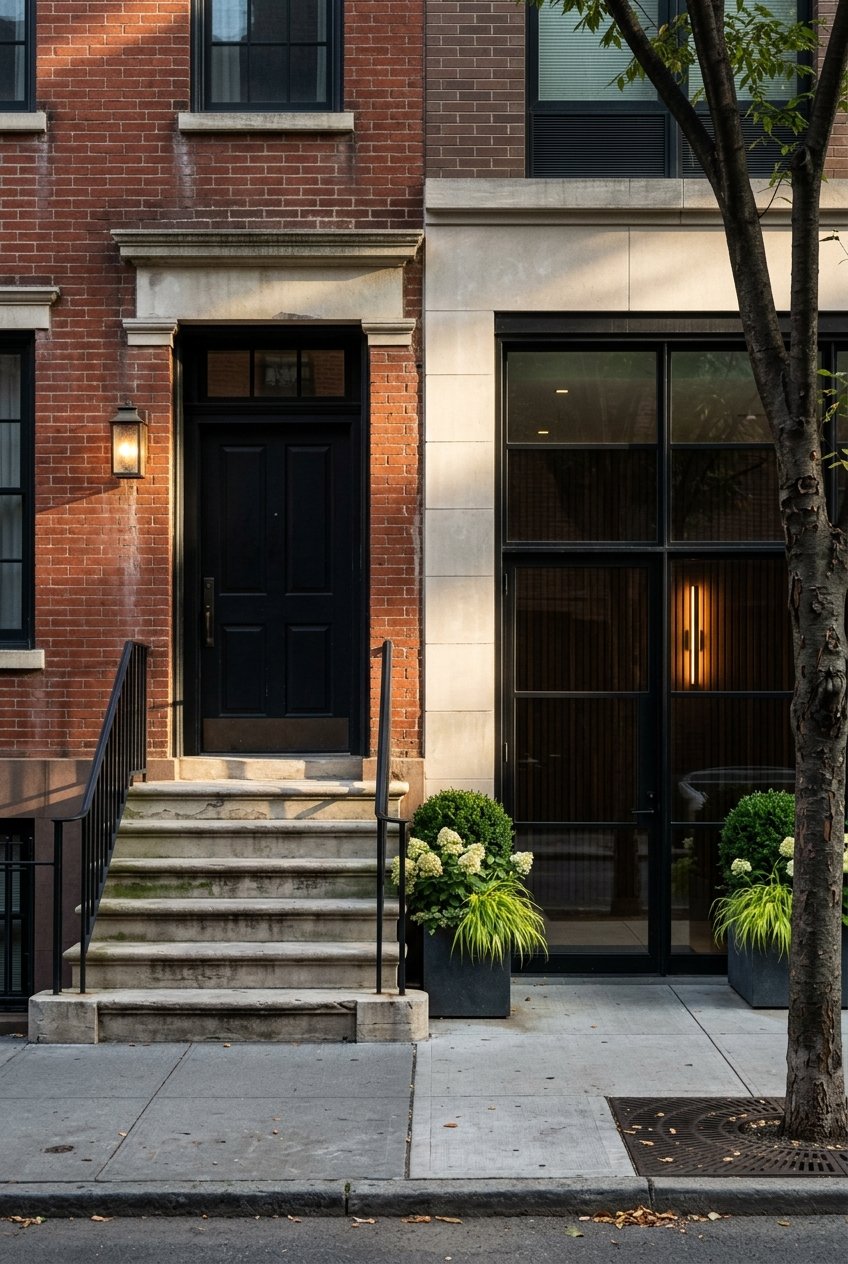
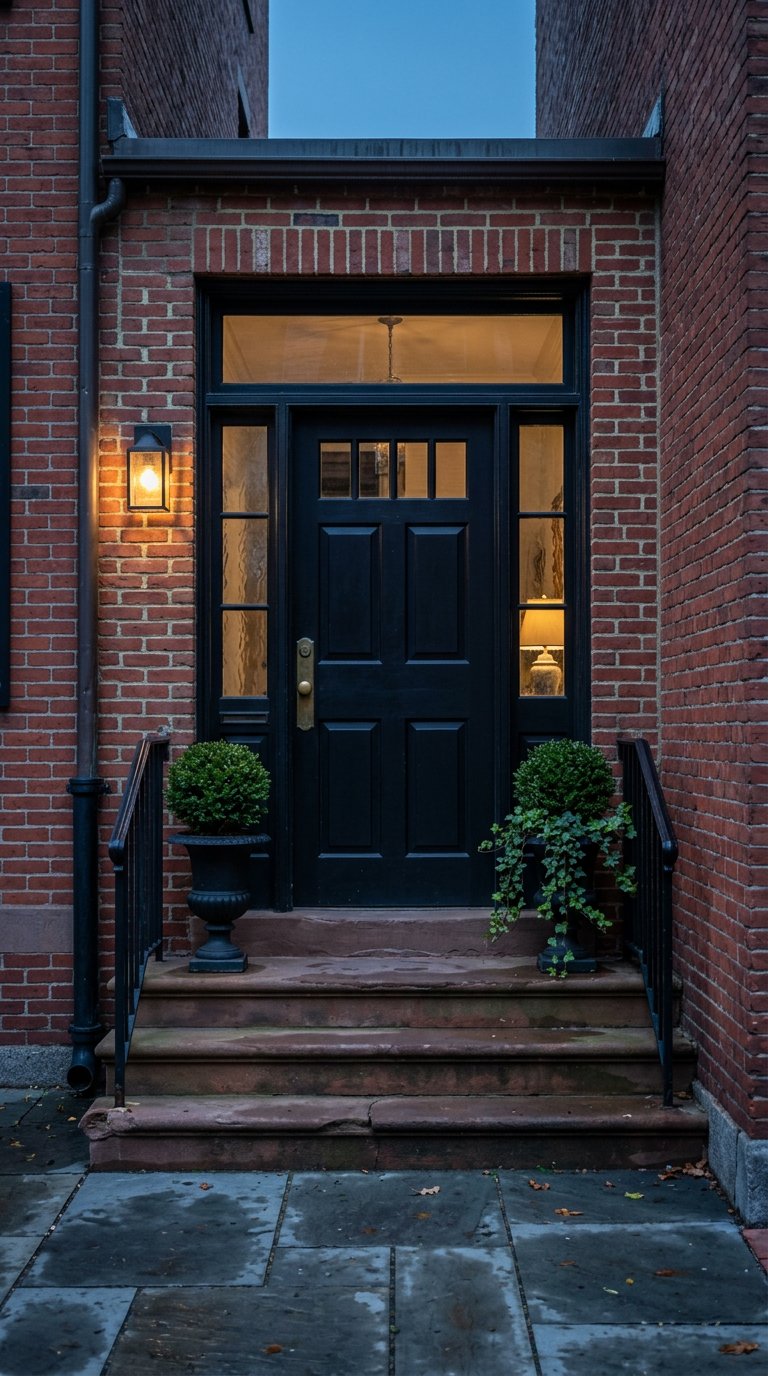
Lambertville is a compact, largely historic river town on the New Jersey side of the Delaware that functions as a paired destination with New Hope, PA. Much of the city sits within a National Register historic district, which shapes both the architecture and supply mix. You’ll see 19th‑century brick townhouses, converted storefronts with residences above, small cottages, and a handful of riverfront condos and apartments. Supply is tight and leans older, with many units offering period details and walk‑to‑everything convenience. You can learn more about the historic district context in the National Register documentation available through the National Park Service.
Price context in a small market
As a micro‑market, Lambertville’s median values can swing with a few waterfront or historically significant sales. Third‑party data vendors show variation, and different tools do not always agree on a single number. Treat any headline figure as a reference point only, and rely on MLS comps and parcel‑level tax data when you model your purchase. Vendor dashboards like ATTOM’s market snapshots can be helpful for budgeting, but confirm final numbers with your agent and lender before you commit.
Short‑term rental rules in Lambertville
Permit and owner‑occupancy
Lambertville has a formal short‑term rental ordinance that defines STRs as stays of 31 days or fewer and requires a city permit before you advertise or host. The ordinance emphasizes owner‑occupancy for most new permits and defines “principal residence” to set that standard. Non‑owner‑occupied properties that were already registered when the law took effect may be grandfathered, but they must meet conditions and re‑register. Review the details directly in Lambertville’s short‑term rental ordinance and its 2024 amendment.
Insurance, inspections, advertising
Before a permit is issued, the city requires an initial application with fire‑safety and, where applicable, lead‑paint compliance documentation, a zoning compliance certificate, and proof of registration for New Jersey transient and sales taxes. There is a non‑refundable filing fee and an annual renewal deadline. You must also show evidence of general liability insurance at or above the city’s minimum threshold. The permit number has to appear on every advertisement, including third‑party platforms and MLS remarks. You can find requirements in the municipal permit documents.
Parking and guest limits
Downtown curb space is limited, and Lambertville’s residential parking rules do not allow temporary permits for short‑term rentals. Your application must account for onsite or off‑street parking and agree to guest‑vehicle limits. This can reduce maximum occupancy and should be factored into your revenue assumptions. See the city’s parking and permit code for specifics.
How New Hope’s rules differ
Permit, inspections, and nights cap
New Hope Borough runs its own STR permit program with annual inspections, tax registration, and a local 24/7 contact requirement. A critical difference is New Hope’s cap: STR use is limited to the greater of 15 rental periods per calendar year or 180 aggregate nights per year. If you expect to operate year‑round, that cap will shape your model. Review the details in the New Hope STR ordinance.
What this means for your strategy
Because rules differ by municipality, investors often compare both sides of the river. Lambertville leans toward owner‑occupied permits with explicit insurance and advertising requirements. New Hope allows non‑owner‑occupied setups but caps annual use. Your ideal side depends on whether you plan to live in the property, how often you aim to host, and how your parking, septic, or condo bylaws line up with the operation you have in mind.
STR performance and seasonality
Occupancy and revenue ranges
Market‑level analytics vendors report moderate but steady demand. AirROI shows Lambertville occupancy around 50 percent and a vendor‑estimated median annual revenue in the tens of thousands, roughly 50–60 thousand dollars for an average listing in their sample. Treat vendor outputs as directional, since boundaries and scraping methods differ. Use your target property’s size, amenities, and location to refine assumptions, and validate with multiple data points.
Event‑driven demand
The corridor’s calendar drives bookings. Summer series events, Pride week, arts and antiques weekends, fall foliage, and the Shad Festival all lift rates and occupancy, particularly on weekends. Expect higher weekend and holiday performance compared to mid‑week in shoulder seasons. For planning, browse the regional calendar to understand peak periods and pacing in the New Hope visitor guide.
Budgeting your investment
Upfront and recurring costs
- STR permits and inspections: Lambertville requires a permit with a non‑refundable application fee and annual renewal. Build in processing time so your launch is not delayed. Review current forms and timelines in the city’s ordinance.
- Insurance: The city requires proof of general liability coverage at a stated minimum. Platform coverage often has exclusions, so many owners secure a dedicated STR or commercial general liability policy that meets municipal thresholds. Confirm with your insurer that your policy aligns with permit language.
- Furnishing and life‑safety: Plan for durable furniture, kitchen outfitting, smoke/CO detectors, fire extinguishers, and any inspection‑driven fixes before your first guest.
- Cleaning and management: Budget for professional turnover, laundry, and, if needed, local co‑host or management support. These services protect reviews and compliance.
Taxes and compliance
- Property tax: New Jersey property taxes are material and vary by parcel. Use county assessor records and vendor dashboards to estimate an effective rate for your address and confirm with your attorney or lender during diligence.
- Sales and occupancy tax: Lambertville requires proof that you are registered with the New Jersey Division of Taxation to collect and remit applicable transient occupancy and sales taxes. Even if a platform collects some taxes, you remain responsible for compliance. See the registration requirement outlined in the Lambertville permit framework.
- Parking: Given the city’s parking rules, right‑size your vehicle and occupancy expectations and disclose them clearly in your listings to avoid complaints.
Key risks to weigh
Regulation and HOA rules
This corridor is actively managed at the municipal level. Lambertville’s new ordinance and New Hope’s annual cap show that rules can tighten over time. In condos or historic buildings, bylaws may prohibit STRs outright or require board approval. Always check the municipal code, any pending council actions, and association documents before you waive contingencies.
Flood zones and insurance
Parts of Lambertville border the Delaware River and fall within mapped floodplains. Flood‑zone designation affects lender requirements and premiums through the National Flood Insurance Program or private carriers. Obtain a property‑specific map and quote early. FEMA’s Hunterdon County map index is a useful starting point for parcel flood mapping.
Why some properties command a premium
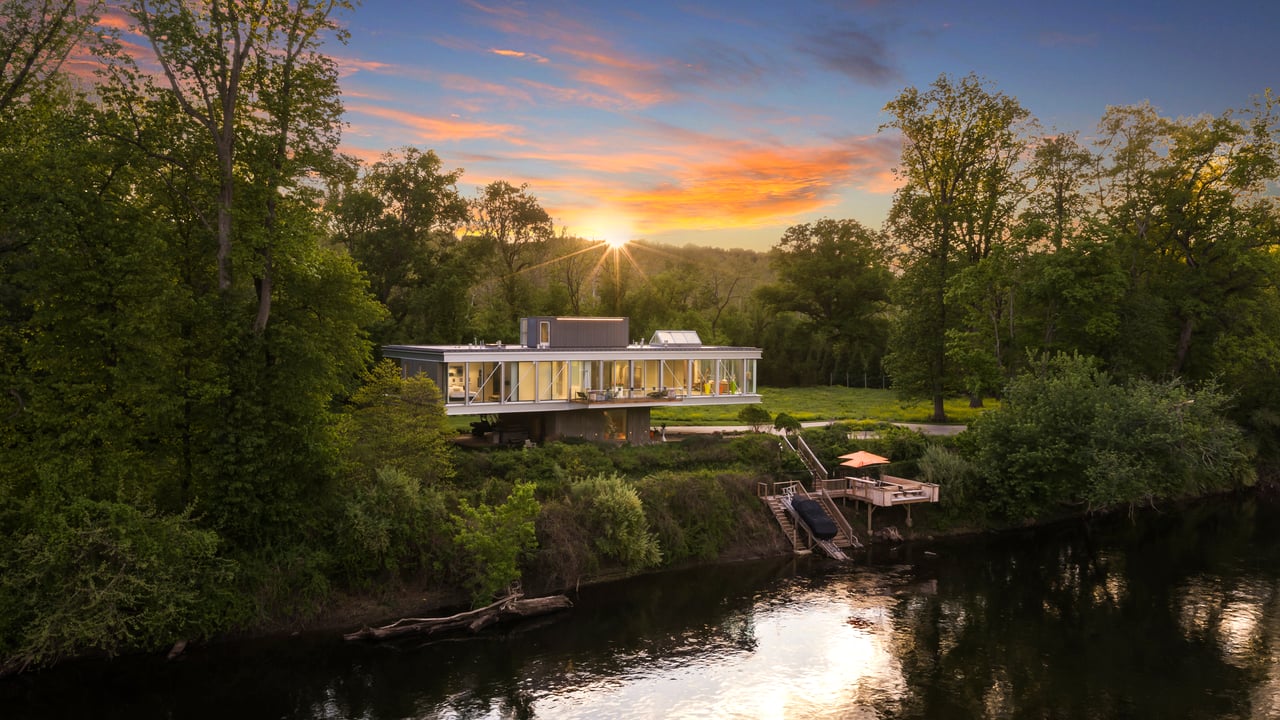
Lifestyle and scarcity drive pricing. Walkability, dining, galleries, riverfront trails, and year‑round events draw weekenders and culture‑seekers from both Philadelphia and New York. At the same time, the National Register district and limited downtown parcels constrain new supply, especially along the water. Historic fabric and floodplain considerations further limit large‑scale redevelopment. The result is a market where character properties with strong locations can maintain collector appeal over time.
9‑step buyer checklist
- Confirm parcel‑level STR eligibility with the City of Lambertville or, if shopping across the bridge, with New Hope Borough. Start with official code sources and call the zoning office to verify details in writing.
- Review condo or HOA bylaws for any STR prohibition, approval steps, or minimum lease terms that could restrict your plan.
- Pull flood maps and order an insurance quote for the actual building. Price both NFIP and private carriers and model different deductibles.
- Budget the STR permit application fee, inspection costs, insurance minimums, and your renewal date so you stay compliant from day one.
- Validate revenue using multiple sources: request seller‑provided booking calendars and statements, then cross‑check with STR analytics for the Lambertville–New Hope area.
- Plan for parking and guest limits. If onsite parking is limited, set realistic vehicle caps and communicate house rules clearly.
- Underwrite cleaning, utilities, supplies, and management support at market rates. Protect your reviews with professional standards.
- Model taxes accurately. Use current parcel assessments and effective rates to estimate your annual tax bill.
- Align financing with your use case. Investment loans carry different rates and LTVs than owner‑occupied mortgages. Confirm requirements early.
How to underwrite with seasonality in mind
- Start with a conservative‑to‑optimistic revenue band using a consistent vendor source. For example, AirROI reports roughly 50 percent occupancy and median annual revenue around 50–60 thousand dollars for Lambertville‑area listings in its sample. Use that as a directional checkpoint, then adjust for your property’s beds, finishes, parking, and location.
- Layer in event peaks. Map Pride week, summer concert series, Shad Festival, and foliage season to anticipate stronger ADR and weekend pacing. The regional calendar helps you plan around peak dates.
- Deduct real costs line by line: mortgage, property tax, insurance (homeowners plus STR liability and, if applicable, flood), cleaning and laundry, utilities and internet, consumables, permit fees, and maintenance reserve.
- Stress‑test the model for mid‑week softness in shoulder months and for unplanned downtime due to inspections or repairs.
The bottom line
Lambertville offers a distinct blend of historic character, walkability, and cross‑river energy that suits both weekenders and careful small investors. The key is precision. Understand the rules on each side of the bridge, right‑size your revenue expectations with vendor data, and price real‑world operating costs into your model. With the right address and a clean compliance plan, a pied‑à‑terre here can double as a well‑managed, lifestyle‑forward investment.
If you want tailored guidance, personalized underwriting, and access to curated lifestyle inventory across Lambertville and New Hope, connect with the concierge team at B&B Luxury Properties. We are happy to walk you through specific addresses, bylaws, and launch timelines.
FAQs
Is Lambertville, NJ a good second‑home market for NYC or Philly buyers?
- Yes. Its walkability, historic character, and cross‑river arts and dining scene draw steady weekend demand from both metros, supporting second‑home usage and short stays.
Can you operate a non‑owner‑occupied Airbnb in Lambertville?
- Not typically for new permits. Lambertville’s ordinance emphasizes owner‑occupancy, with only certain pre‑existing non‑owner‑occupied STRs potentially grandfathered under conditions.
What STR permit steps does Lambertville require?
- You need an annual STR permit with inspections, proof of tax registration, a zoning compliance certificate, and evidence of general liability insurance at or above the city minimum.
Does New Hope, PA cap short‑term rental nights?
- Yes. New Hope limits STR use to the greater of 15 rental periods per year or 180 aggregate nights annually, which directly affects year‑round revenue potential.
Do STRs in Lambertville get residential parking permits?
- No. The city’s rules do not issue temporary residential permits to STRs, so you must plan for onsite or off‑street parking and guest‑vehicle limits in your application.
How should I estimate STR revenue in the Lambertville–New Hope corridor?
- Use multiple sources. Start with a vendor snapshot like AirROI for occupancy and revenue bands, then validate with property‑specific features and historical booking data.
What are the biggest risks for STR investments near the Delaware River?
- Regulatory changes, HOA or condo restrictions, and flood‑zone exposure that can increase insurance costs or add lender requirements should be evaluated early.