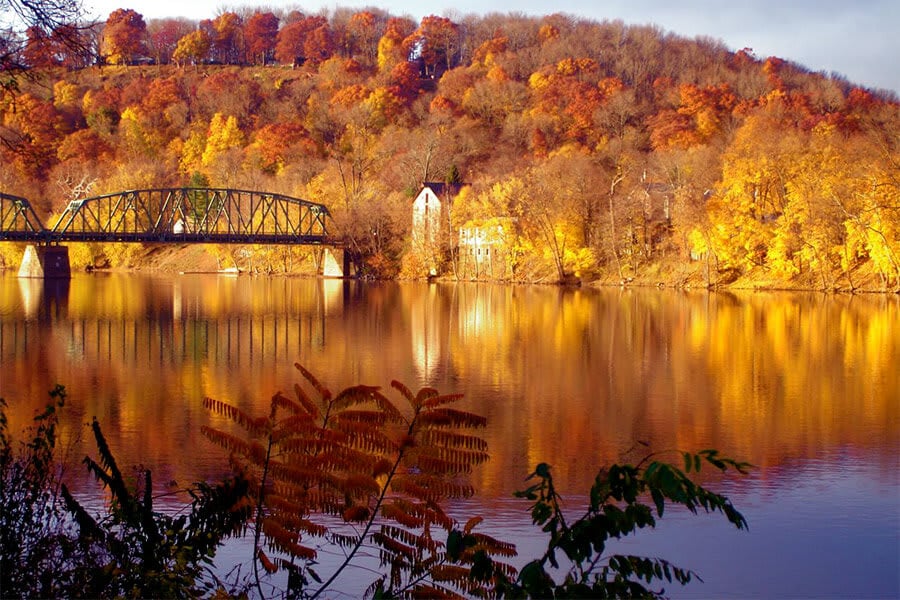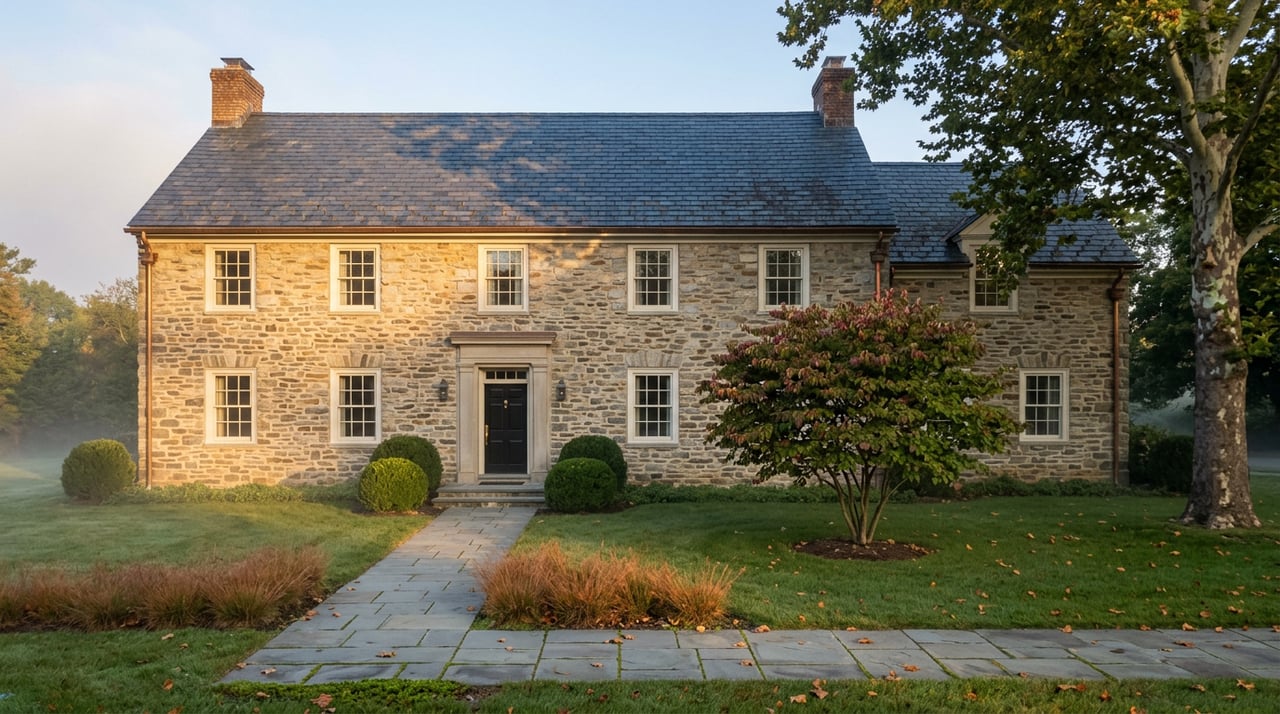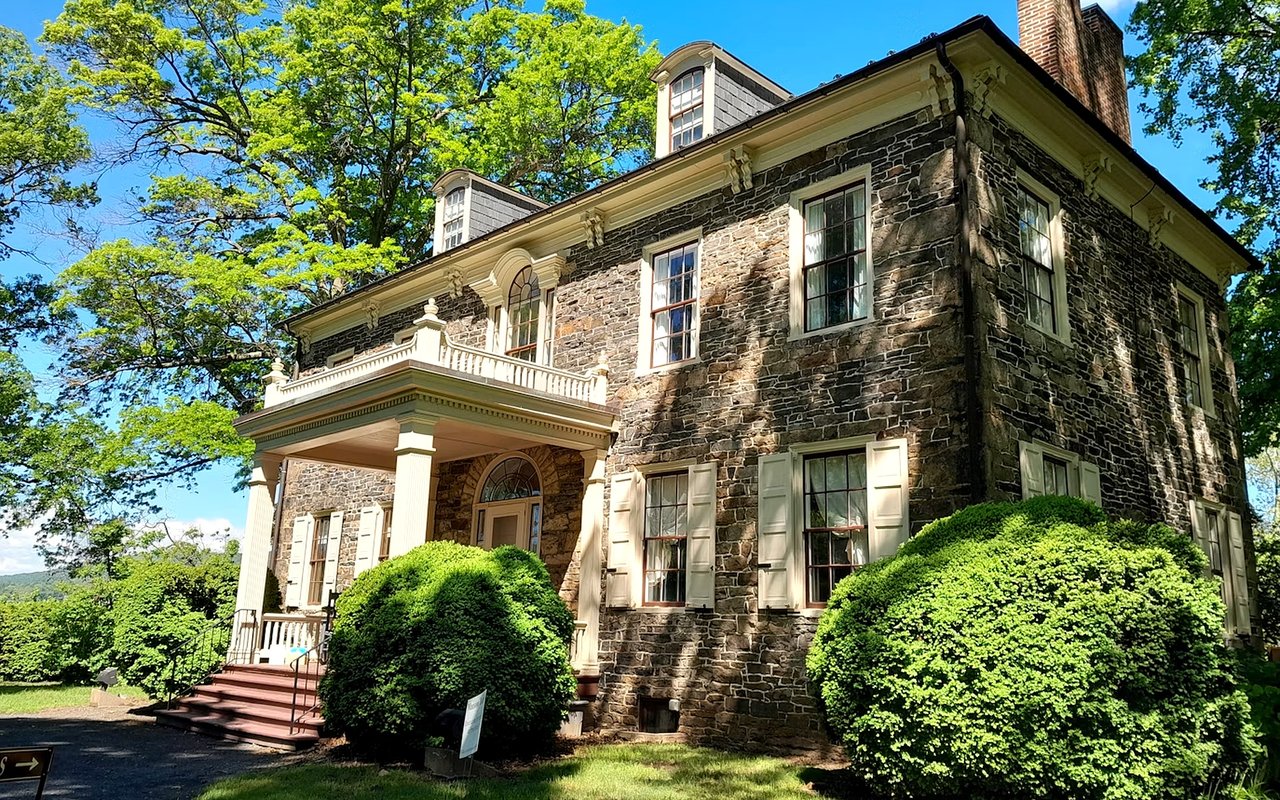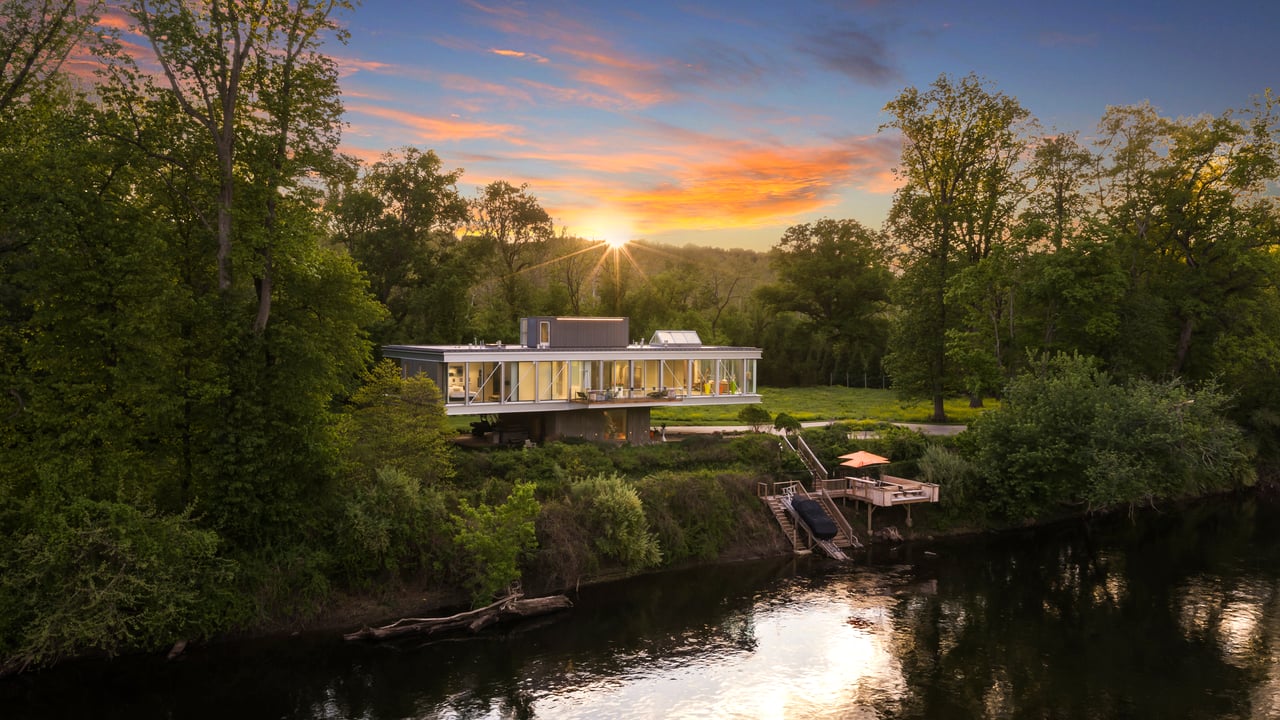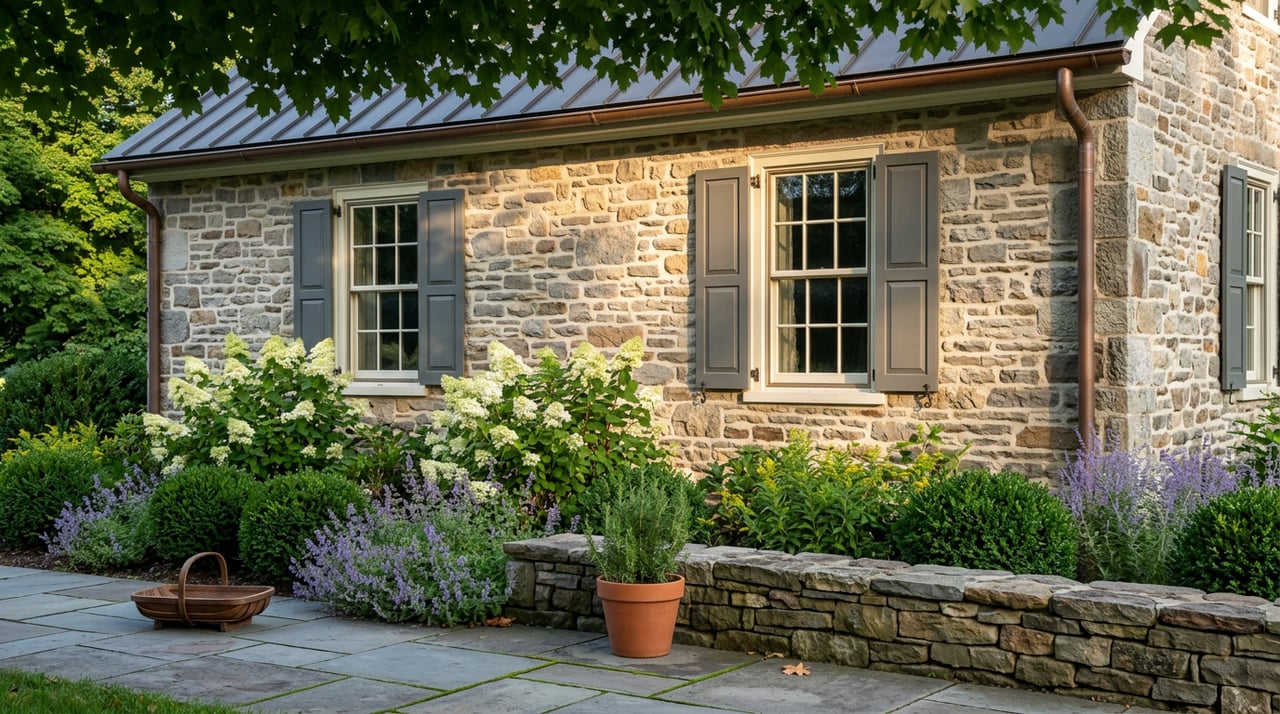
If you are thinking about buying land or an equestrian property in Tinicum Township, it is easy to fall in love with the setting first. Open space, protected landscapes, and a rural feel make this part of Bucks County especially appealing. But in Tinicum, beauty and privacy often come with added layers of zoning, environmental review, and property-specific restrictions. That is why a careful plan matters. In this guide, you will learn what to check before you buy, what can affect horses or future building plans, and how to approach due diligence with more confidence. Let’s dive in.
Why Tinicum feels different
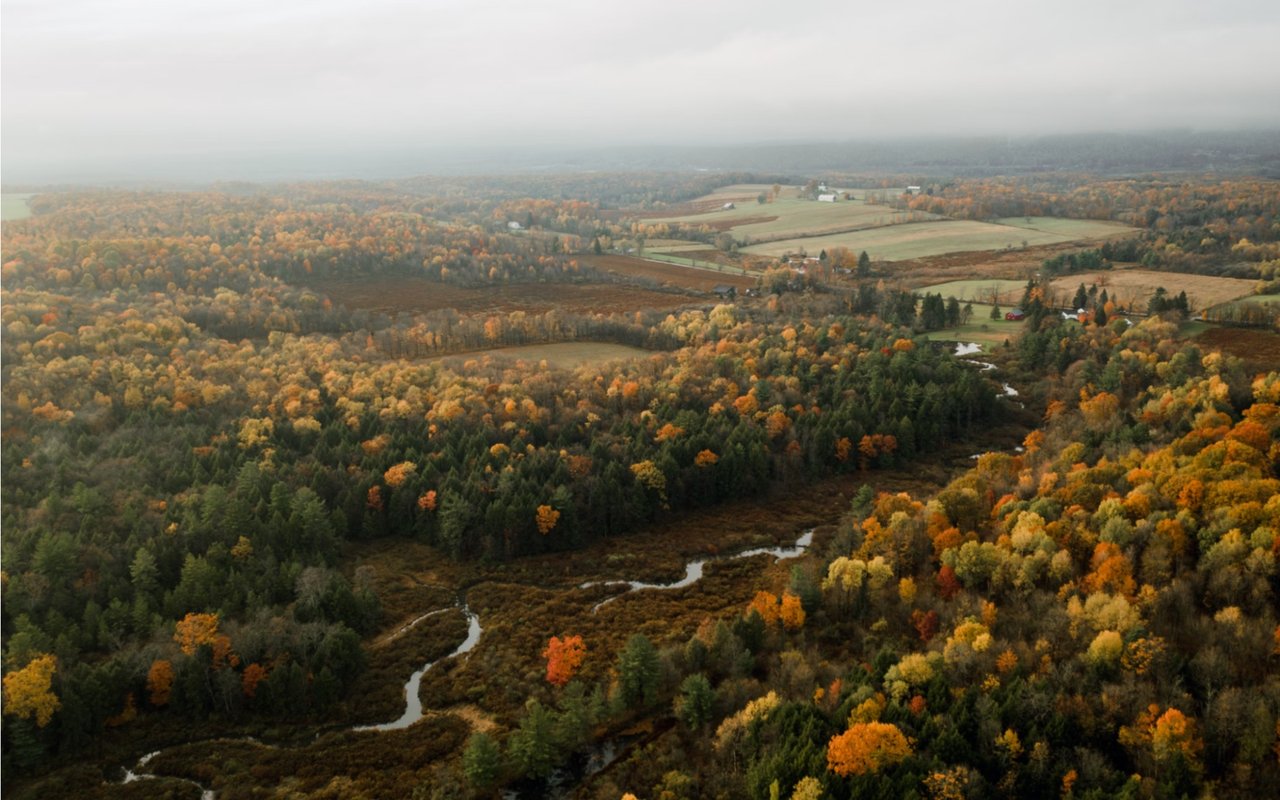
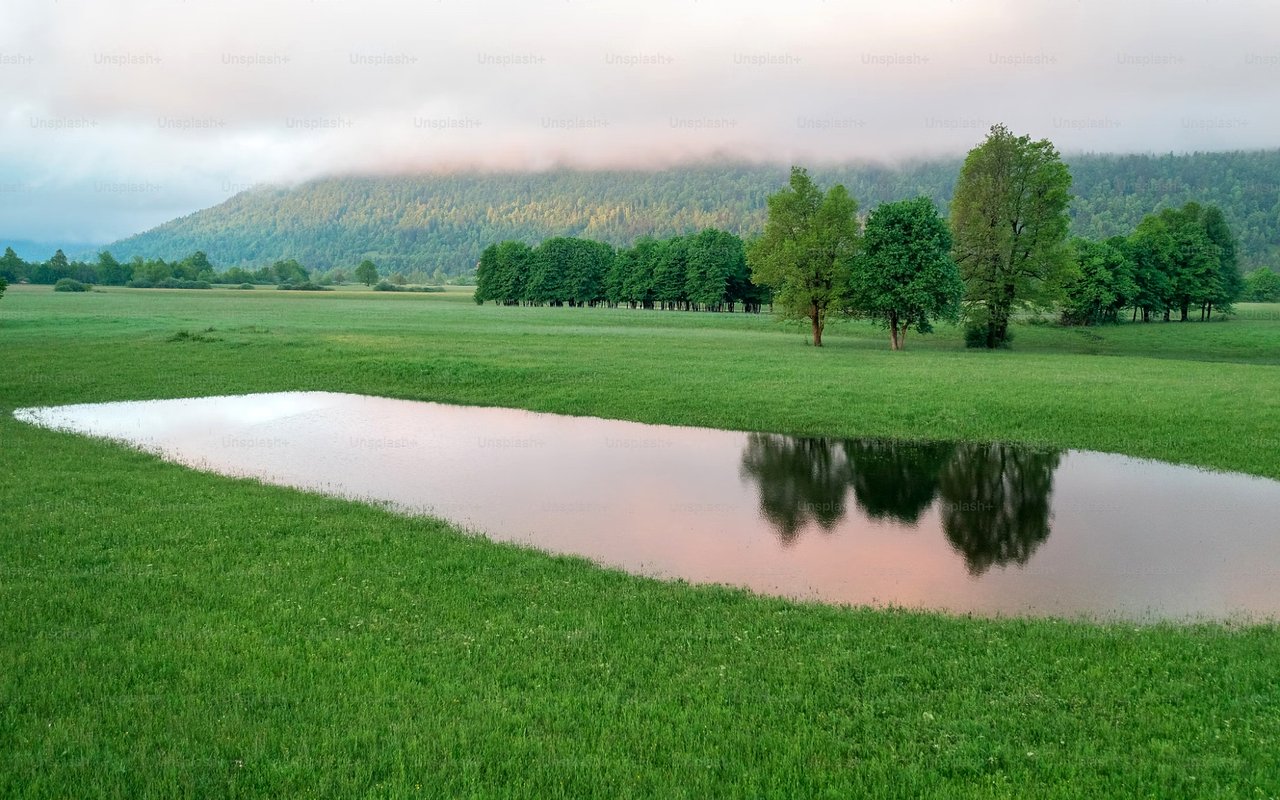
Tinicum Township has a strong conservation focus, and that shapes how land is used and preserved. The township’s Land Preservation Committee supports open space, natural-resource protection, and historic preservation, and township materials note that roughly 38% of the land was protected from further development at the time of publication.
For you as a buyer, that can be a real advantage. Protected land can help preserve rural character, views, and a sense of quiet. At the same time, it can also mean a parcel has more limitations than you might expect from a listing photo or aerial map.
Start with zoning and overlays
One of the biggest mistakes buyers make is assuming that a rural parcel is simple to improve. Tinicum specifically describes itself as a zoned community and tells property owners to confirm proposed changes with the zoning office before making plans, according to the township’s zoning and code enforcement page.
The township’s overlay maps are especially important during due diligence. These maps are only a general guide, but they show how a property may be affected by factors such as:
- floodplain
- wetlands
- steep slopes
- riparian buffers
- critical recharge areas
- prime farmland
- scenic roads and corridors
- woodland and hedgerow protections
- watershed-related constraints
- Delaware Wild & Scenic considerations
A parcel may look open and usable at first glance, but these overlays can affect where you build, clear, fence, grade, or place driveways and outbuildings.
Why parcel-specific review matters
Tinicum’s zoning ordinance is organized by multiple districts rather than one broad rural category. The current township codification, available through eCode360, reinforces an important point: the township name alone does not tell you what a property can support.
In practical terms, you want to verify the exact zoning district and every relevant overlay before you assume a horse property, farmette, or custom-home site will work for your plans. If you are buying vacant land, this step should happen early, not after inspections are underway.
What permits may come into play
In Tinicum, building or improving a property can involve more than a basic zoning approval. The township’s permit guidance shows that, depending on the project, you may need applications related to zoning, building, floodplain, land development, subdivision, driveway or road encroachment, grading, stormwater, fencing, wells, and sewage.
For example, the township lists a long set of requirements for a new detached home on a parcel. According to the township permit information, that process can include a zoning permit, building permit, grading permit, stormwater application, driveway or road encroachment application, Bucks County sewage paperwork, a sewage permit, a well permit, and a water test.
That does not mean your project is impossible. It means you should budget time for review and avoid assuming that closing on the land is the hard part.
Equestrian buyers should check animal rules first
If horses are part of your vision, start with the township’s domestic animal rules before you focus on the barn, ring, or fencing. Tinicum’s Chapter 77 ordinance treats equine animals as large animals, and permits are issued through the township secretary after health-officer approval, according to the domestic animal code.
The same ordinance states that the permitted total is capped at a combined two large animals and or 12 small animals. It also requires large-animal quarters to be at least 100 feet from the exterior limits of any dwelling occupied by someone other than the applicant.
For you, that means a property’s acreage alone does not answer the question. A listing may reference horse potential, but you still need to confirm whether your intended animal count and barn location fit township rules.
Outbuildings may be more limited than expected
Many buyers assume they can add a small barn, studio, or guest-style structure later. In Tinicum, accessory structures are more tightly regulated than many buyers expect.
Under the township’s general regulations in eCode360, accessory structures are generally limited to side or rear yards, must keep a three-foot side and rear setback, may not be used for human habitation, and only one utility or storage shed is allowed per lot with a maximum floor area of 200 square feet.
This matters if you are looking at a property with future plans for expanded utility buildings or flexible secondary spaces. It is one more reason to have the township review your intended use before you move forward.
Water and septic are core due diligence items
In Tinicum, water should never be treated as a minor detail. The township stewardship guide explains that residents are completely dependent on groundwater wells, and local resources encourage residents to test well water through a state-certified laboratory, as outlined in the township’s stewardship guide.
If you are buying vacant land or a property with an older well and septic system, well yield, water quality, and on-site sewage feasibility should move to the top of your checklist. The Bucks County sewage program provides information related to on-site sewage facilities, soil testing, and septic repair resources.
For many buyers, this is where a property either becomes more promising or more complicated. A beautiful setting does not always equal easy utility planning.
Environmental constraints can shape your plans
Tinicum’s natural features are a major part of its appeal, but they also shape what may be possible on the ground. The township’s overlay maps include floodplain, wetlands, steep slopes, riparian buffers, critical recharge areas, and scenic-corridor layers, all of which may affect design and construction.
Parcels near Tinicum Creek or the Delaware River corridor deserve even closer review. The township notes within its overlay map resources that the Lower Delaware National Wild & Scenic River system includes all of Tinicum Creek and the Tohickon segment below Lake Nockamixon Dam.
If a parcel is close to these waterways, you will want to confirm how buffers, drainage concerns, and related site-design restrictions may affect the property. This can influence where improvements go and how much flexibility you really have.
Preservation status matters for horse and land buyers
If a property is preserved or preservation-eligible, you need to understand what that means before closing. The township’s permit portal directs users to agricultural security area and conservation-easement forms, and Bucks County’s preservation guidance treats easements as binding, perpetual restrictions.
According to the county’s Agricultural Land Preservation Program Guidelines, soil quality and agricultural capacity are central to preservation evaluation. The guidelines also note that equestrian uses count in the cropland, pasture, or grazing test, while horse boarding on preserved land is allowed only as a part-time or rural enterprise incidental to the agricultural and open-space character of the property, without excavation, paving, or permanent non-agricultural structures that reduce productive soil capacity.
If you are considering a horse property, this is a key distinction. A preserved parcel may support a rural equestrian lifestyle, but not every commercial or expansion idea will fit.
Site work can trigger added review
Access, grading, and clearing often look straightforward on paper, but they can add another layer of review. The township already requires grading, stormwater, and driveway-related applications for certain projects, and county oversight may also apply depending on the scope of earth disturbance.
The Bucks County Conservation District monitors erosion and earth disturbance under Chapter 102 of the Clean Streams Law. For you, that means site work is not something to save for later conversations. It should be part of your early feasibility review, especially on sloped, wooded, or environmentally sensitive parcels.
A smart Tinicum buying checklist
Before you commit to land or an equestrian property in Tinicum Township, focus on the questions that most often affect long-term usability.
- Confirm the exact zoning district and all overlay layers for the parcel.
- Ask whether the property is subject to a conservation easement, agricultural security area status, or other deed restrictions.
- Verify well yield, water-test history, soil testing, and septic feasibility early.
- Confirm whether your planned barn, driveway, grading, clearing, or new residence will require multiple permits.
- Review animal rules first if horses are part of your plan.
- Check whether the property’s layout can satisfy the 100-foot separation for large-animal quarters from neighboring dwellings.
- Look closely at floodplain, riparian-buffer, steep-slope, and wetland impacts if the parcel is near Tinicum Creek or other sensitive areas.
- Ask whether outbuilding limits affect your future plans for storage, stabling, or accessory use.
The value of a local, property-specific strategy
Tinicum Township can be an exceptional place to buy if you value open space, privacy, and a more protected rural setting. But this is not a market where broad assumptions work well. The details of the parcel matter, and the path from interest to ownership often depends on careful local review.
When you approach a Tinicum purchase with a clear diligence strategy, you put yourself in a stronger position to evaluate opportunity without losing sight of limitations. Whether you are searching for a refined country estate, a small equestrian setup, or land with long-term lifestyle potential, working with a team that understands Bucks County’s rural property landscape can make the process more informed and more efficient.
If you are considering land or equestrian property in Tinicum Township and want a more tailored, discreet buying strategy, B&B Luxury Properties is here to help with concierge-level guidance rooted in local market knowledge.
FAQs
What should you verify before buying land in Tinicum Township?
- You should verify the parcel’s zoning district, overlay-map constraints, well and septic feasibility, deed restrictions, and any permits your intended project may require.
What animal rules apply to horse properties in Tinicum Township?
- Tinicum’s domestic animal ordinance treats horses as large animals, requires permit review, limits the permitted total to a combined two large animals and or 12 small animals, and requires large-animal quarters to be at least 100 feet from neighboring dwellings occupied by others.
What water and septic issues matter when buying Tinicum Township land?
- Because residents rely on groundwater wells, you should review well yield, water quality testing, soil conditions, and on-site sewage feasibility as early as possible.
What overlays can affect a Tinicum Township property?
- Depending on the parcel, overlays may include floodplain, wetlands, steep slopes, riparian buffers, critical recharge areas, prime farmland, scenic corridors, watersheds, and other environmental or design constraints.
What should equestrian buyers ask about preserved land in Bucks County?
- You should ask whether the property is preserved or preservation-eligible, whether a conservation easement applies, and whether boarding, structures, paving, or excavation would be limited by preservation rules.