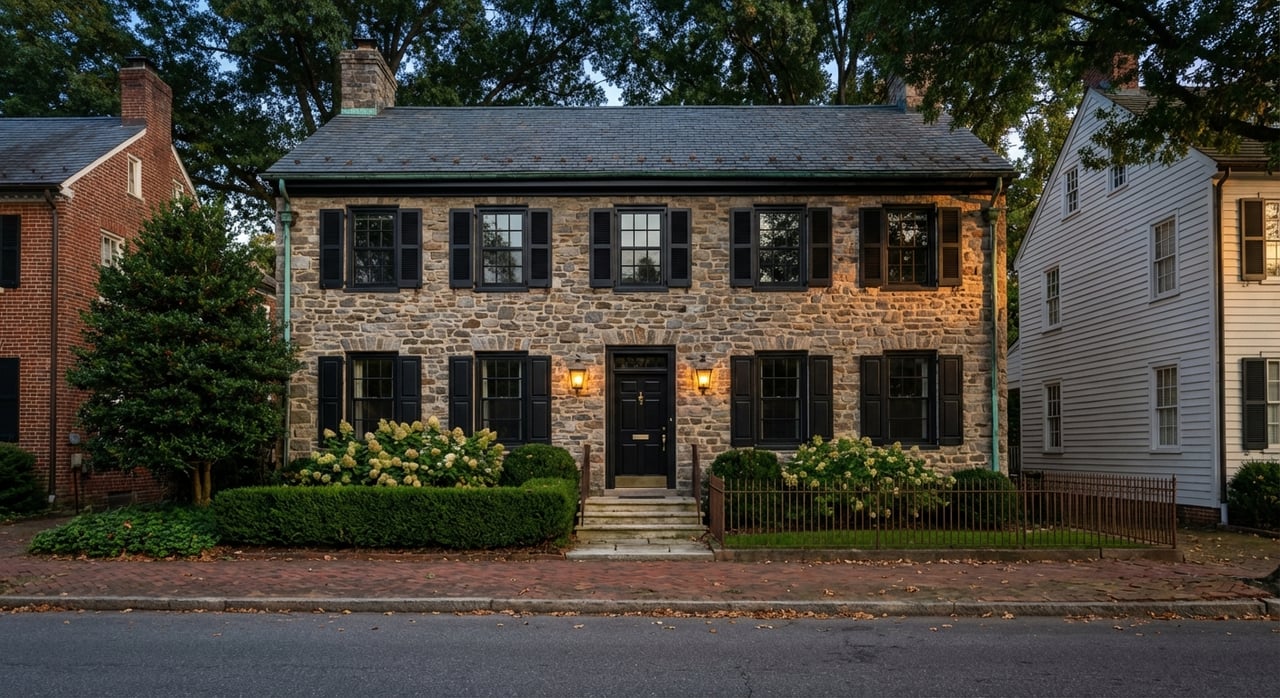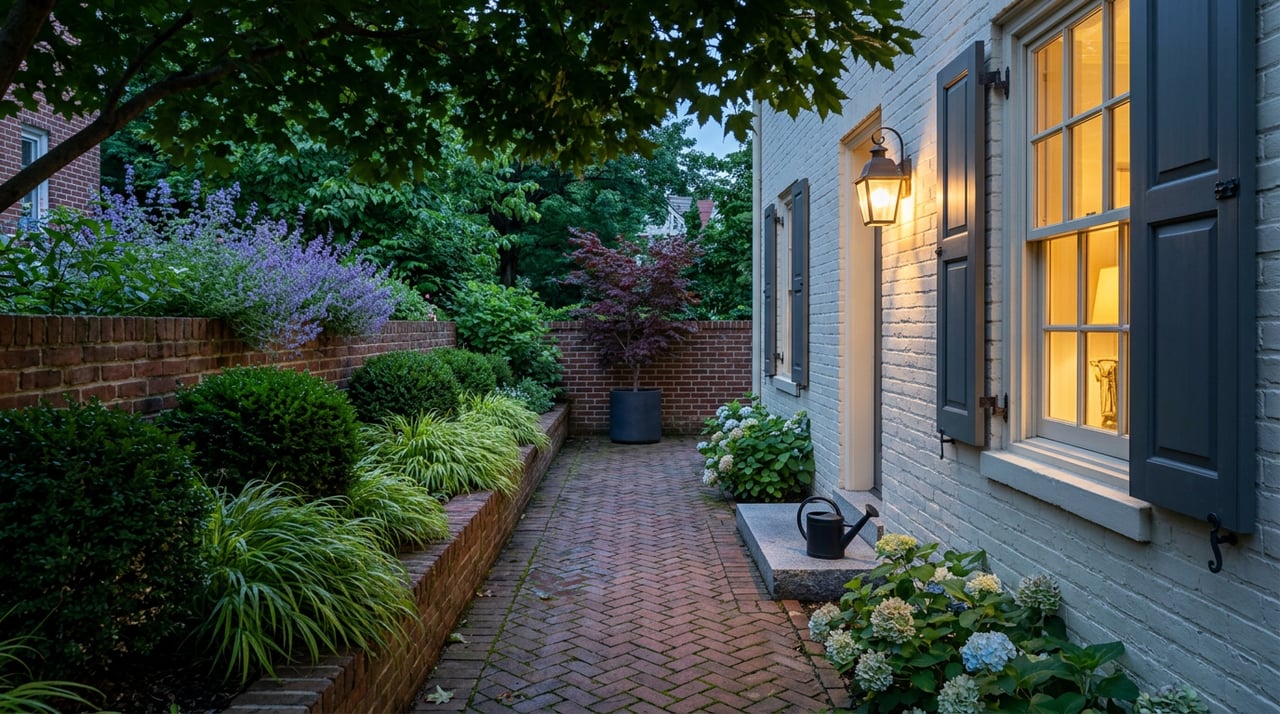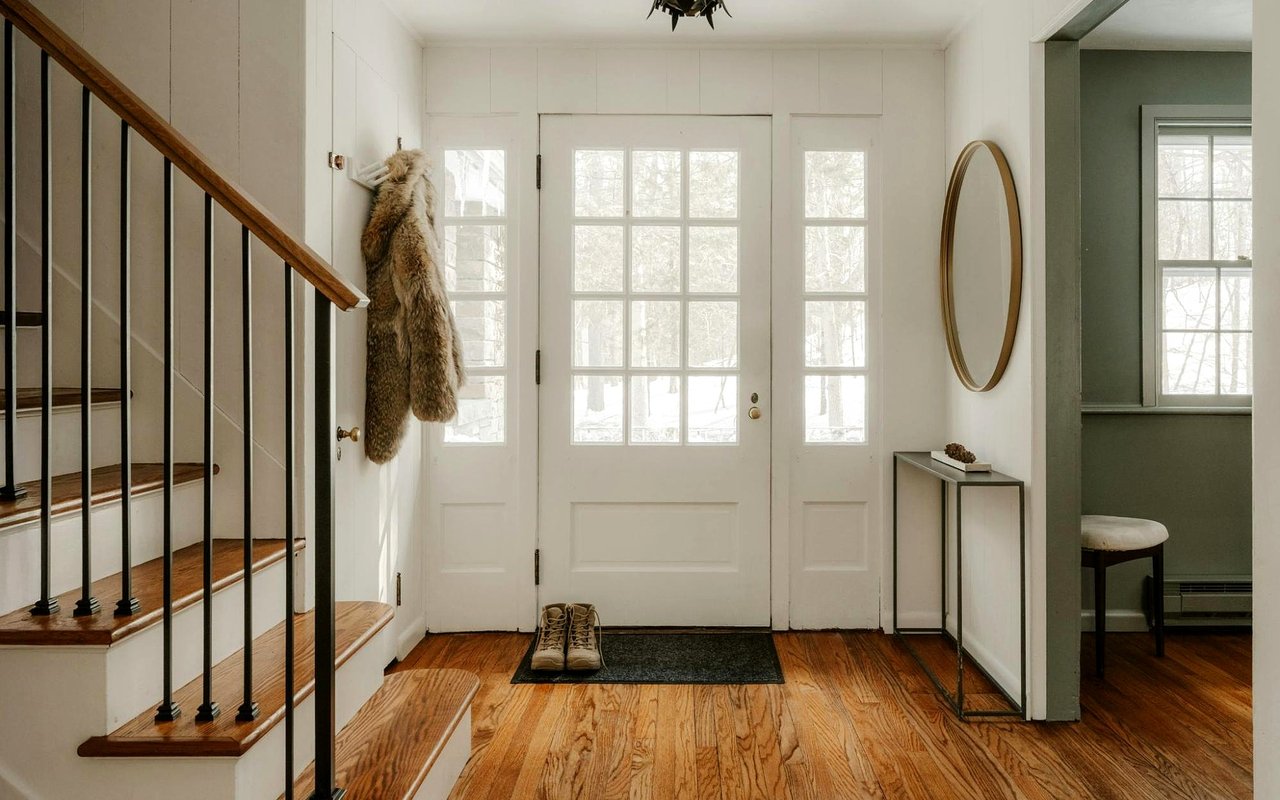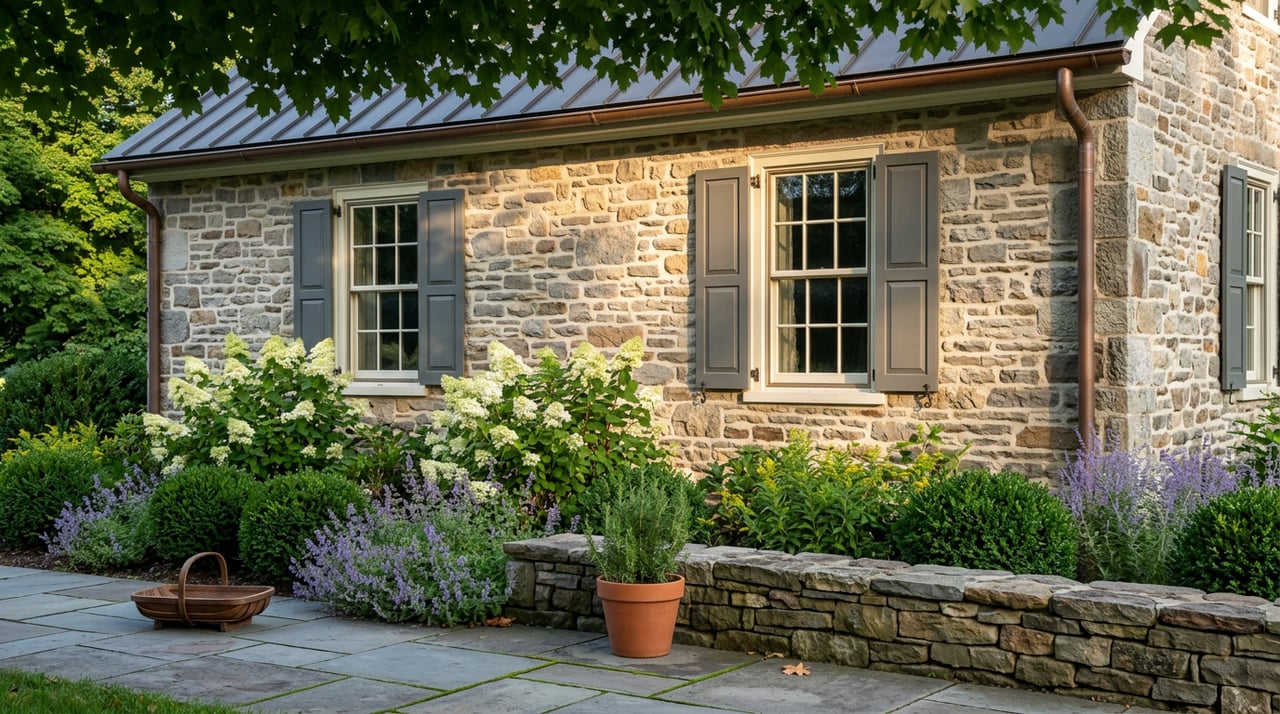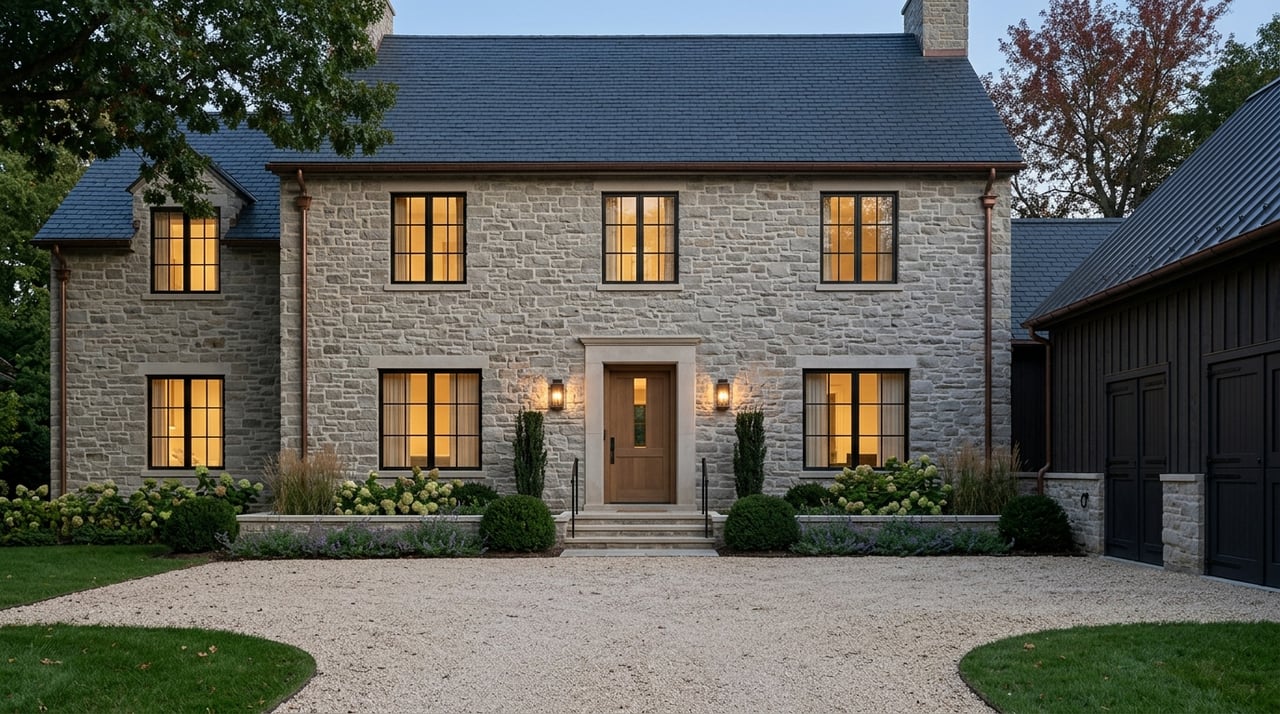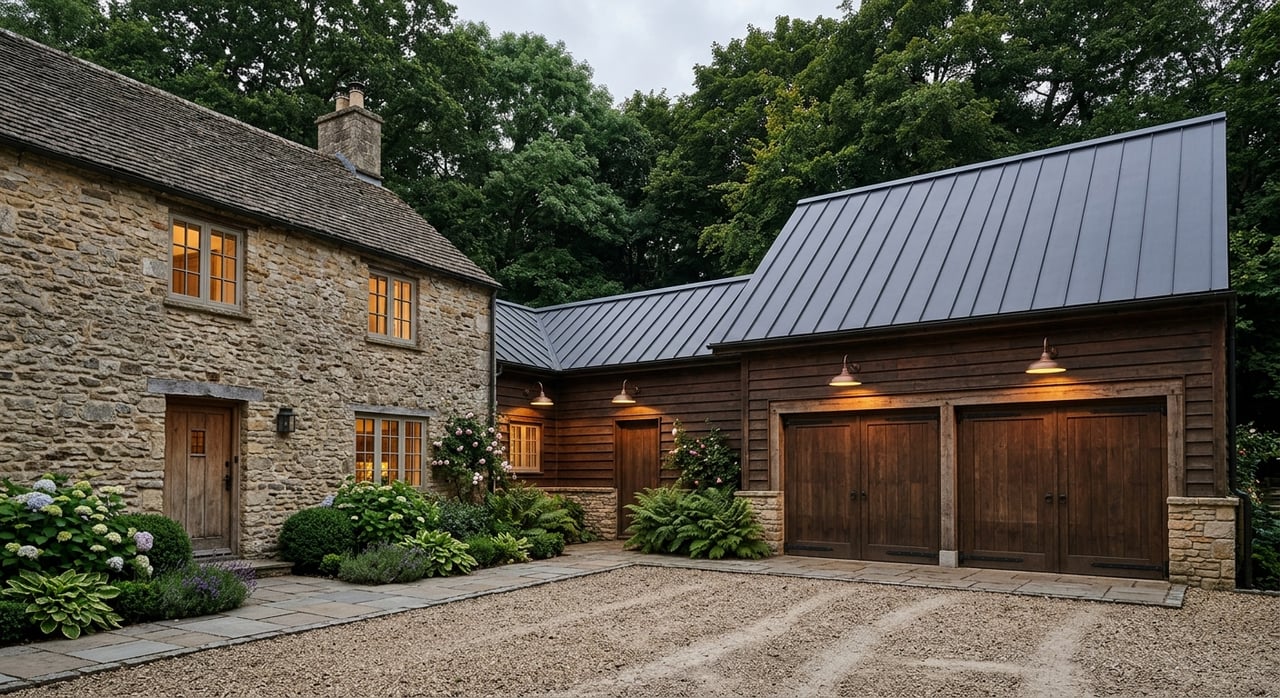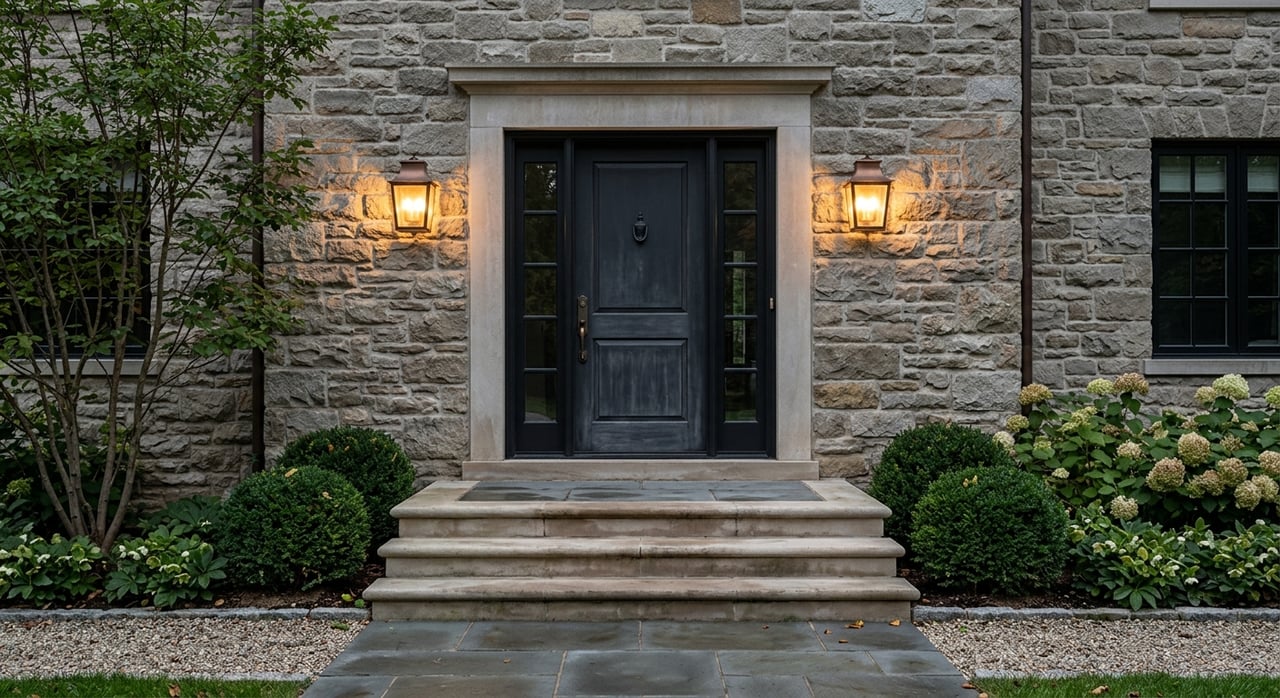
If you own a historic home in New Hope, you already know it is not a standard property sale. Buyers are often drawn to the architecture, the setting, and the story as much as the square footage. That creates real opportunity, but it also means timing, pricing, and preparation matter more than they might in a typical listing. In this guide, you’ll learn how to plan your sale around New Hope’s approval process, price with the right local context, and present your home in a way that respects its character while appealing to today’s buyers. Let’s dive in.
Why New Hope Historic Homes Sell Differently
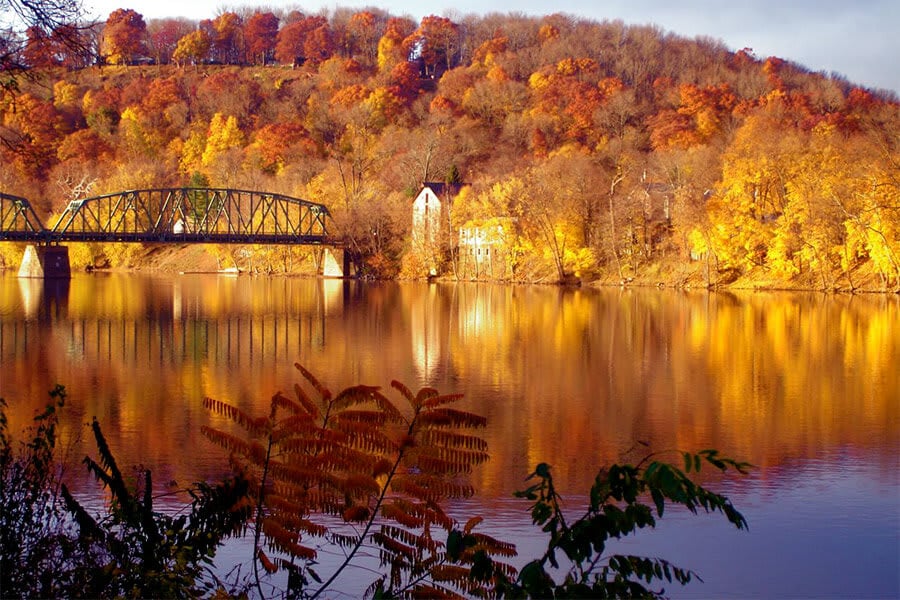
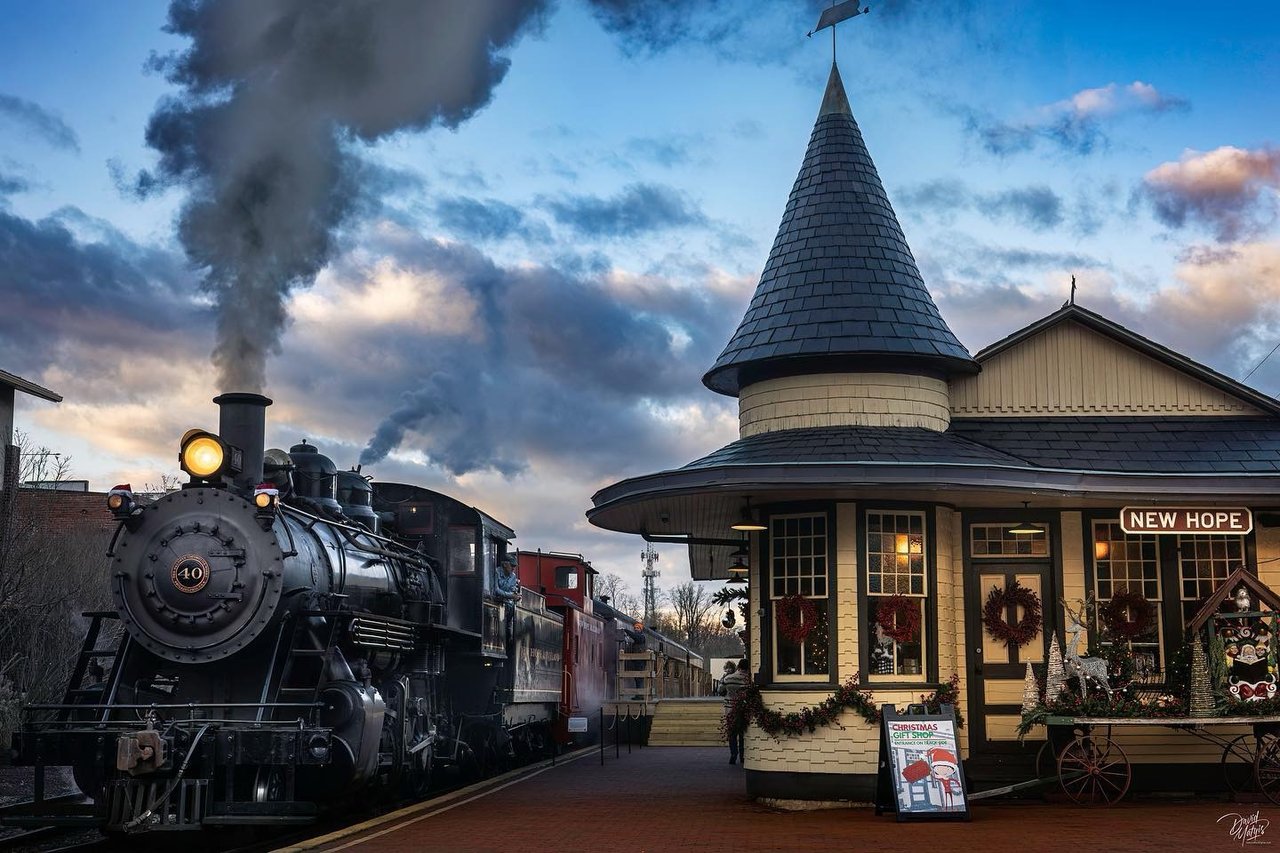
New Hope is a small borough, but it carries an outsized reputation. The borough describes itself as a regional tourist hub known for its arts and culture, eclectic shops, historic inns and homes, riverfront setting, and restaurants, with weekend visitation rising sharply. That distinct identity helps shape who may respond to your listing and what they are looking for in a home.
In a market like this, buyers are often shopping for more than a place to live. They may be drawn to walkability, architectural charm, a weekend lifestyle, or the appeal of owning a home in one of Bucks County’s best-known river towns. That is why a historic property in New Hope often performs best when it is marketed as a complete lifestyle offering, not just a list of rooms and updates.
Time Your Sale Early
Spring often brings stronger attention
Nationally, timing can influence both exposure and speed of sale. According to a 2026 Realtor.com market report, the best week to sell in 2026 is April 12 through April 18, when homes historically receive 16.7 percent more views, sell about 17 percent faster, and achieve prices about 1.3 percent higher than the average week.
That does not mean every New Hope seller should list in that exact window. It does mean spring can offer a useful planning target, especially in a destination market where scenery, walkability, and curb appeal all carry weight. If you want to take advantage of the spring market, your prep work likely needs to begin well before the first listing photo is taken.
Historic approvals can affect your schedule
If your home is in New Hope’s historic district, exterior work may require a Certificate of Appropriateness through HARB before a zoning or building permit is issued. The borough requires completed HARB applications 21 business days before the monthly meeting, and HARB meets on the first Tuesday of each month at 6 p.m.
That timeline matters if you are planning exterior paint, façade touch-ups, window replacement, porch work, fencing, lighting, landscaping features, or other visible exterior changes. Even well-intentioned improvements can take longer than expected once approvals and contractor lead times are involved. For many sellers, that means starting several months before the desired list date is the safer strategy.
Know what usually triggers review
New Hope’s review process applies to many kinds of exterior work in the historic district. According to the borough’s guidance, review can be triggered by demolition, relocation, exterior reconstruction or rehabilitation, additions, painting, signage, lighting, fencing, and other architectural landscaping features.
Interior-only work is generally outside HARB jurisdiction, though other permits may still be required. If you are unsure whether a planned improvement will affect your timeline, it is smart to confirm that early rather than discover a delay just before launch.
Price With Micro-Market Logic
Borough averages are only a starting point
Pricing a historic home in New Hope requires nuance. Market-wide numbers can offer context, but they should not be treated as a substitute for true comparable sales. As of March 31, 2026, Zillow’s New Hope data showed a typical home value of $938,110, 36 homes for sale, and a median list price of $1,480,833. Around February and March 2026, Realtor.com reported a median listing price of $1,672,500, 66 homes for sale, a 38-day median days on market, and a 98 percent sale-to-list ratio.
Those numbers sound useful, but they reflect different methodologies and a very small, highly varied market. In a borough with a limited number of listings and a wide range of home styles, lot settings, and preservation levels, broad averages can hide the details that matter most.
Historic value is highly specific
For a historic home, value often comes down to a narrower set of factors:
- Street and setting
- Architectural style and integrity
- Condition of visible exterior features
- Quality of prior updates
- Preservation-compatible improvements
- Level of maintenance already completed
The National Park Service rehabilitation standards emphasize retaining historic character, preserving distinctive features, and repairing deteriorated elements rather than replacing them when possible. In practical terms, buyers may assign greater value to a home that feels thoughtfully preserved than to one that has been heavily altered in ways that weaken its architectural identity.
Avoid pricing by emotion
Historic homeowners often have a strong connection to their property, and for good reason. But buyers will still compare your home against recent sales, current competition, and the cost of any deferred work they believe they will inherit.
A strong pricing strategy should balance the home’s story with hard market reality. In New Hope, that usually means looking closely at homes of similar style, condition, location, and historic character rather than leaning too heavily on boroughwide medians.
Prep Your Home Thoughtfully
Focus on visible historic character
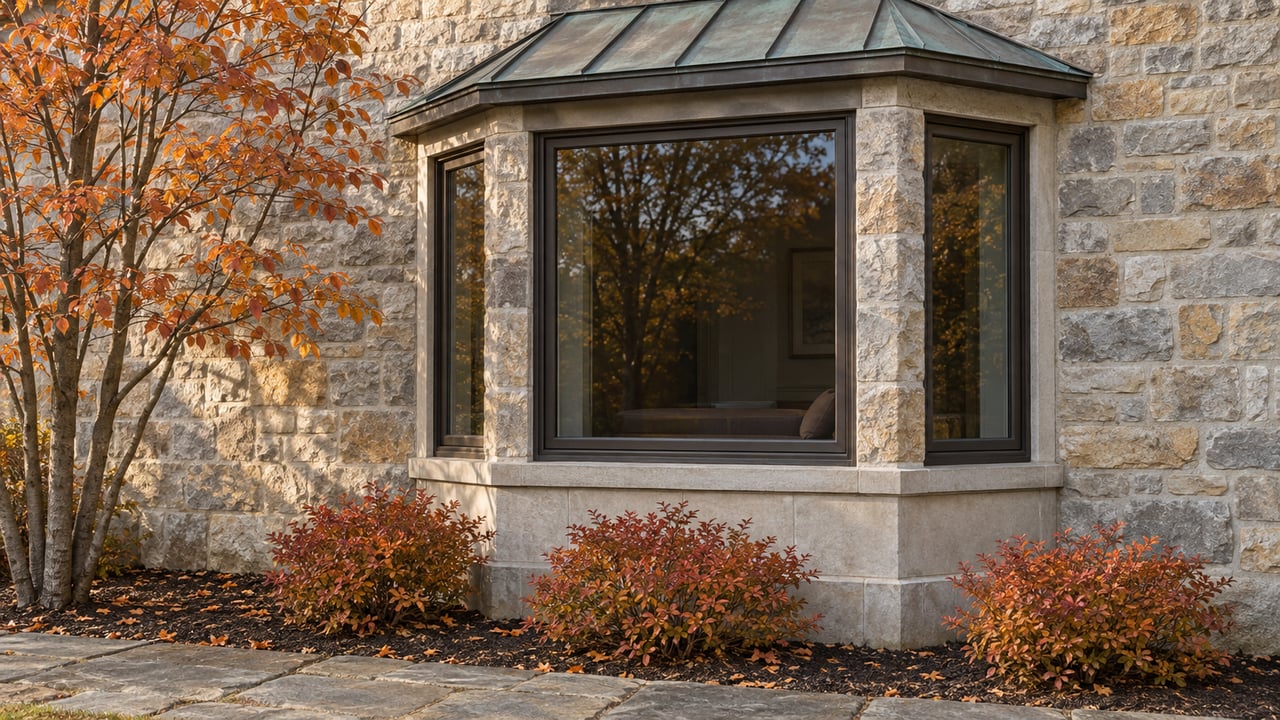
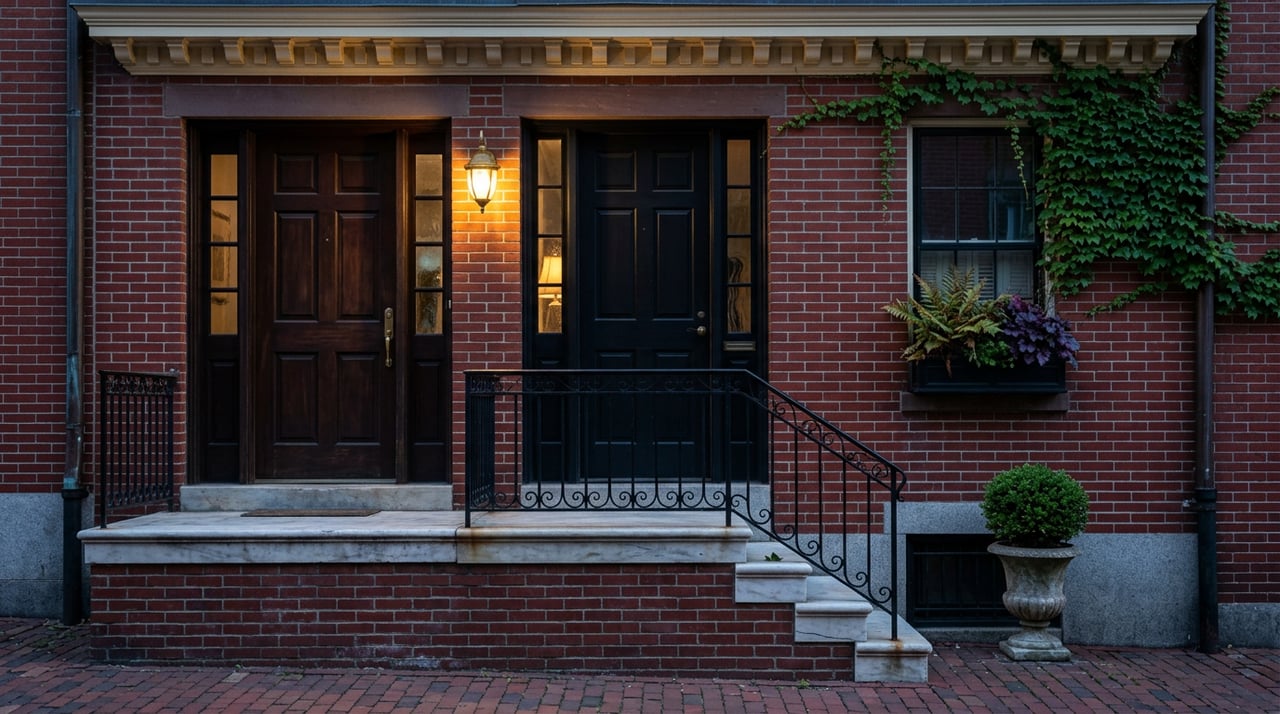
In New Hope’s historic district, exterior features visible from public streets or ways are a major part of the property’s presentation. The borough’s Historic Architectural Review Board guidance is designed to preserve the district’s character and minimize harm to historic fabric.
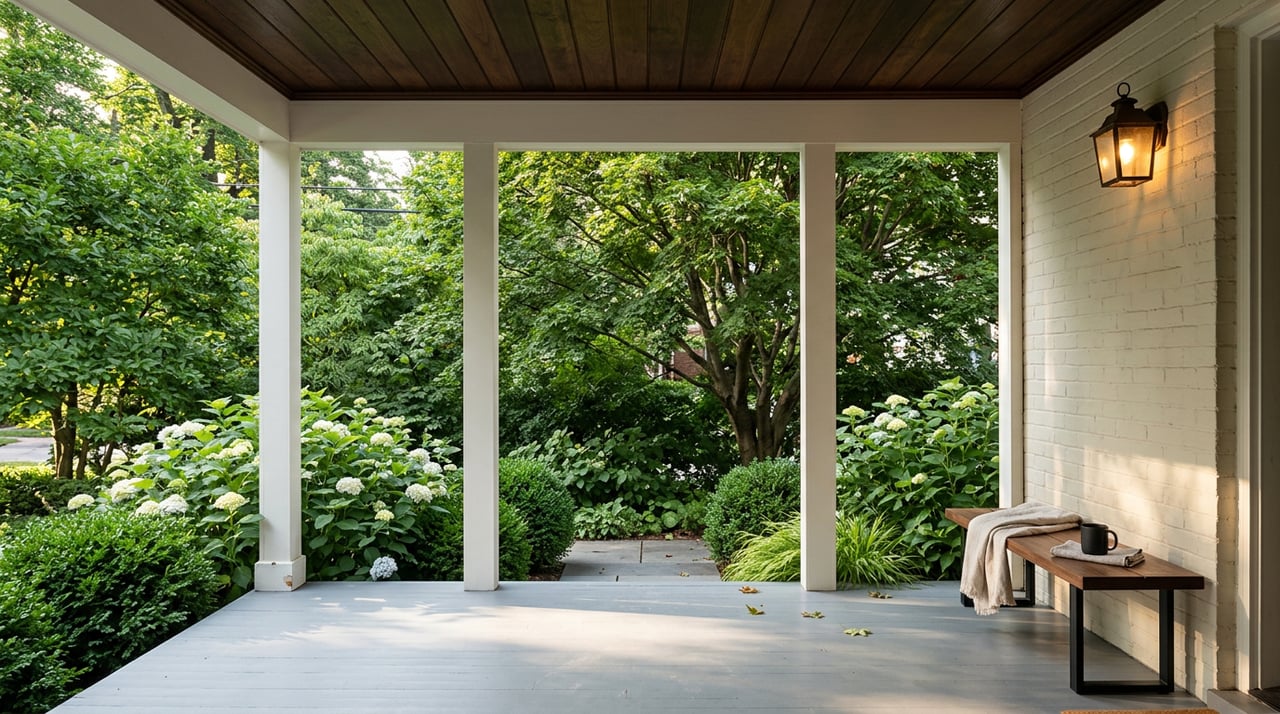
For sellers, that means items like paint color, windows, porches, fencing, and landscaping are not just maintenance details. They are part of the buyer’s first impression and part of the home’s value story.
Repair before replacing when possible
When buyers consider a historic property, they often notice whether original details have been respected. The National Park Service guidance on windows states that historic windows should be repaired when possible, and if replacement is unavoidable, the new work should match the old in design, color, texture, and, where possible, materials.
That principle extends beyond windows. If you are deciding between quick cosmetic changes and more thoughtful preservation-minded work, the latter often supports stronger positioning in a market like New Hope. A home that feels authentic and well cared for tends to resonate more than one that feels over-modernized.
Gather documentation before listing
Historic home buyers often want more than polished photos. They may also want confidence about what has been done, what has been approved, and what makes the home special.
Before listing, it can help to organize:
- Records of exterior approvals or completed borough review
- Receipts or summaries of restoration work
- Dates for major systems or structural repairs
- Notes on original architectural features
- Any available information about preservation-compatible improvements
This kind of documentation can support smoother conversations and help buyers understand the care that has gone into the property.
Handle Disclosures Early
Lead-paint rules matter for older homes
If your home was built before 1978, federal lead-based paint rules are likely part of the sale. According to the EPA’s real estate disclosure guidance, sellers of most pre-1978 homes must disclose known lead-based paint hazards, provide the EPA pamphlet and records, and allow a 10-day inspection period unless waived.
The EPA also notes that 87 percent of homes built before 1940 and 24 percent of homes built from 1960 to 1978 contain some lead-based paint. If your New Hope home falls into that age range, preparing disclosure materials early can reduce last-minute stress once a buyer is in place.
Check flood considerations upfront
Because New Hope includes river-adjacent and low-lying areas, flood risk is another issue to review early. The borough notes that it has updated FEMA flood maps and participates in the NFIP, and its ordinances require floodplain permits while referencing the current FEMA floodplain map. Federal lenders also require flood insurance in Special Flood Hazard Areas.
If your property is near the river or in an area where flood concerns may arise, it helps to understand that status before you go live. Buyers appreciate clarity, and early preparation can prevent surprises during financing or due diligence.
Market the Story, Not Just the Specs
New Hope buyers often respond to lifestyle
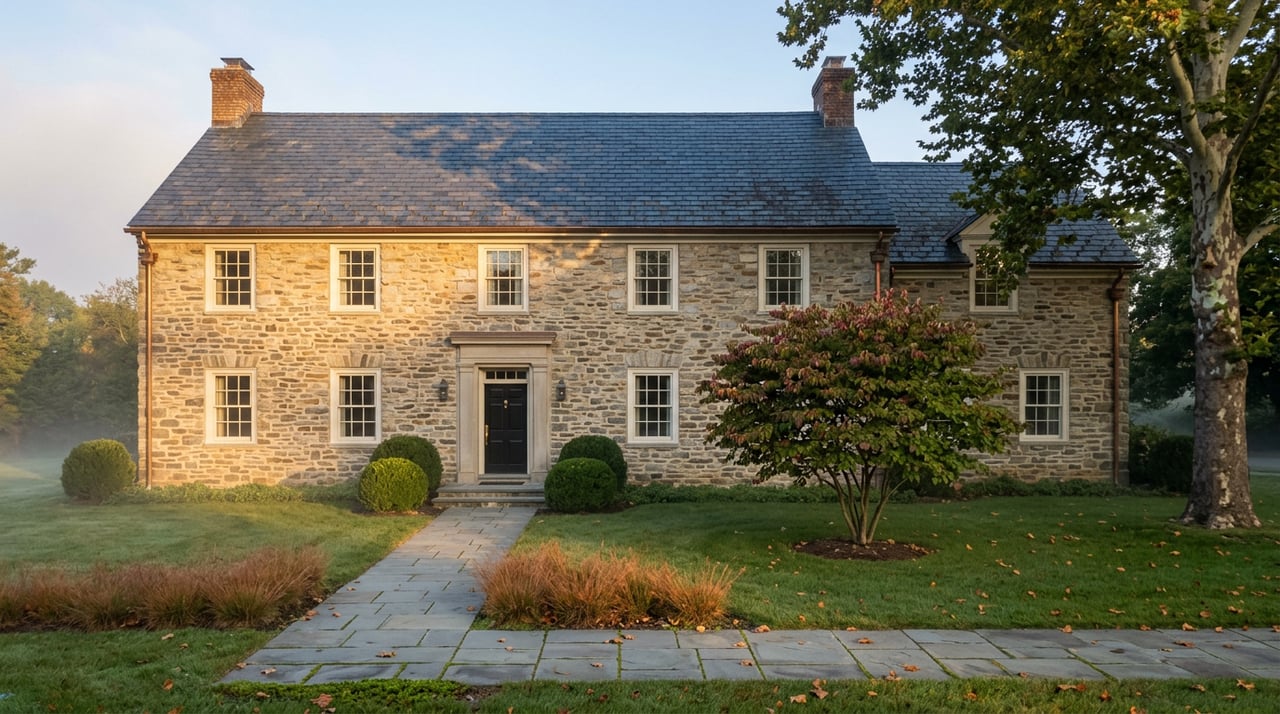
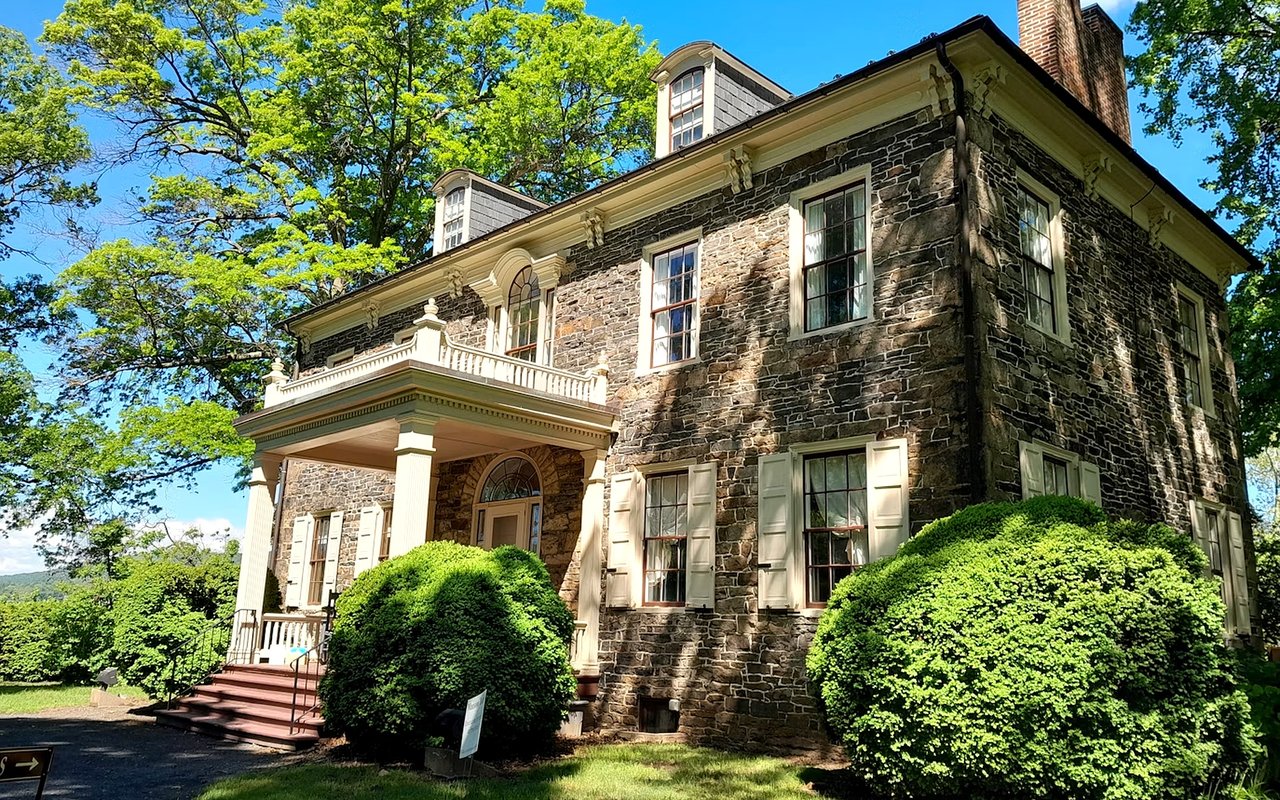
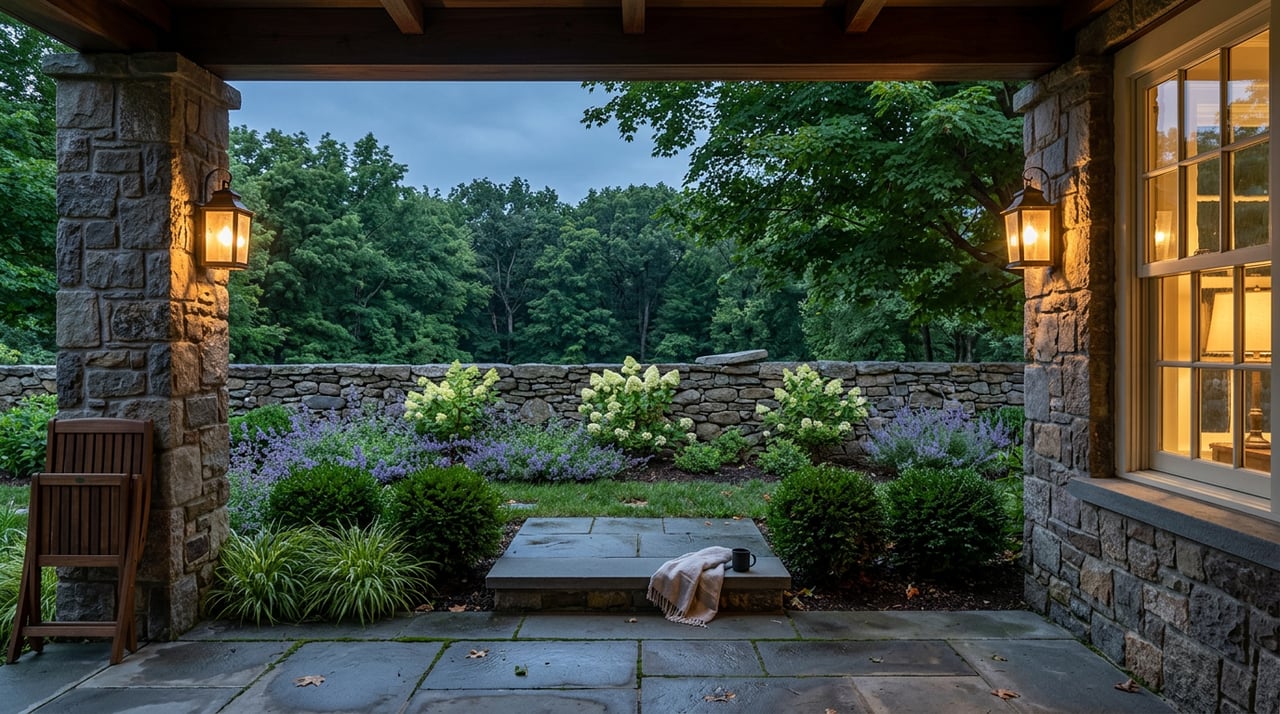
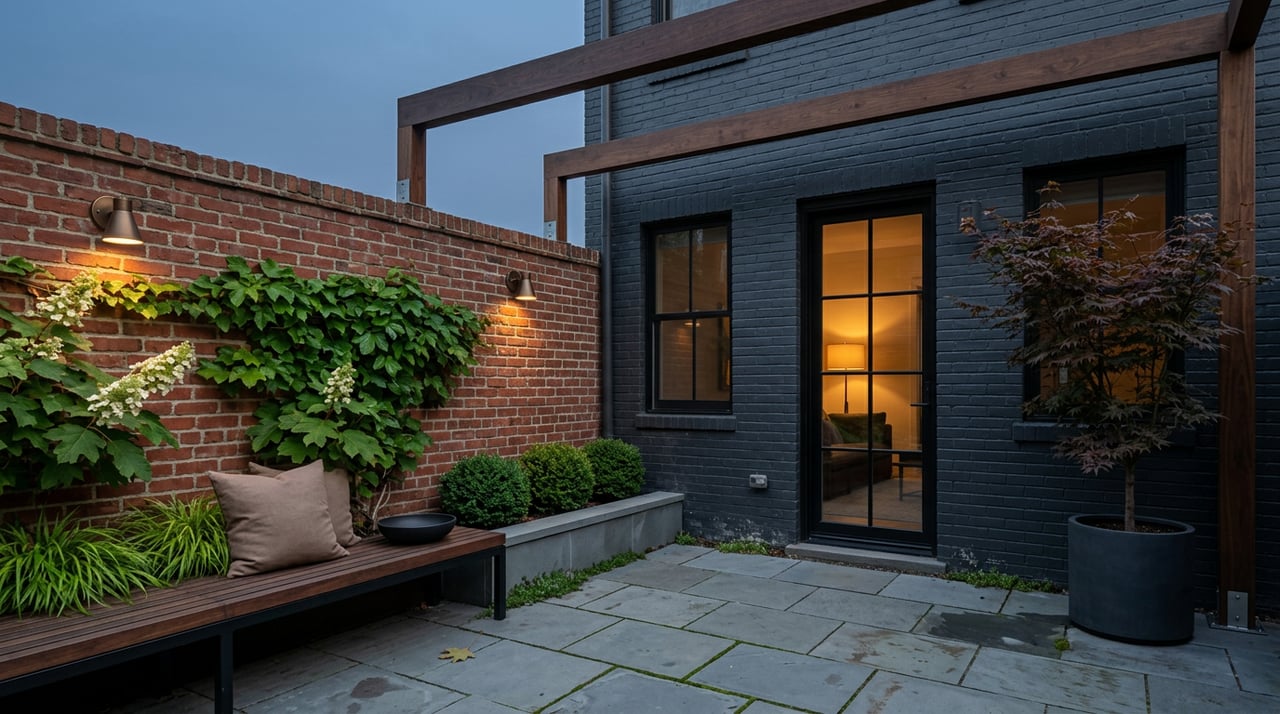
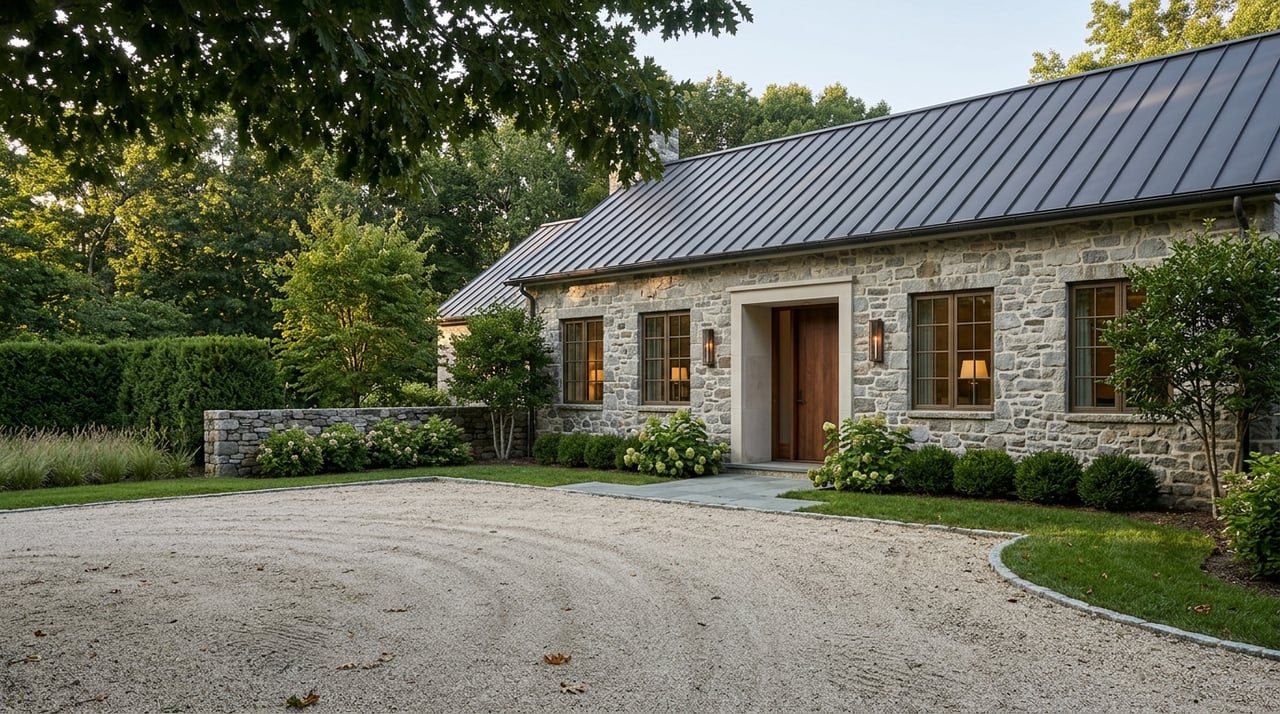
A historic home in New Hope is rarely just about bedroom count or finishes. The borough’s identity as a place known for arts, tourism, riverfront scenery, and historic buildings creates a context that many buyers find compelling. That setting can be a real advantage when your marketing helps them picture both the home and the experience of living there.
This is especially important in a destination-oriented market where some buyers may be considering a full-time residence, a weekend retreat, or a lifestyle shift. The more clearly your listing shows how the home fits into New Hope’s character, the stronger the emotional connection can be.
Use visual and documentary marketing
The strongest marketing approach for a New Hope historic home is often highly visual and well documented. Based on the borough’s appeal and the way historic homes are evaluated, strong listing assets may include:
- Professional photography that captures architectural details
- Video that shows flow, setting, and outdoor character
- A dedicated property story page or microsite
- Listing copy that highlights original features
- Notes on restoration work and approved exterior changes
That combination helps buyers do more than admire the home. It helps them understand its stewardship, character, and fit within New Hope’s distinctive environment.
Final Thoughts on Selling Well
Selling a historic home in New Hope is usually a three-part process: plan your timing around both the spring market and local approvals, price with true micro-market discipline, and present the property as a preserved piece of a remarkable river town. When those pieces work together, your home is more likely to attract buyers who appreciate what makes it special and are prepared to value it accordingly.
If you are preparing to sell and want a more tailored strategy for your property, B&B Luxury Properties offers concierge-level guidance, elevated visual marketing, and local insight rooted in New Hope itself.
FAQs
What is the best time to sell a historic home in New Hope?
- Spring is often a strong listing season, and a 2026 Realtor.com report identified April 12 through April 18 as the best week nationally to sell, but New Hope sellers should also plan around any local approval timelines for exterior work.
Do historic homes in New Hope need HARB approval before exterior updates?
- In New Hope’s historic district, many exterior changes require a Certificate of Appropriateness before a zoning or building permit is issued, including work such as painting, additions, lighting, fencing, and certain rehabilitation projects.
How should you price a historic home in New Hope, PA?
- You should use boroughwide metrics only as background and rely more heavily on comparable sales with similar location, style, condition, and preservation quality.
What prep matters most before listing a historic home in New Hope?
- The most important prep usually includes visible exterior maintenance, preservation-minded repairs, organized documentation for past work, and early review of any approvals, lead-paint disclosures, and possible flood-related issues.
Why does marketing matter so much for a New Hope historic home sale?
- Buyers in New Hope are often drawn to architecture, setting, and lifestyle, so strong photography, video, and a clear property story can help them see both the home’s features and its place within the borough’s river-town character.