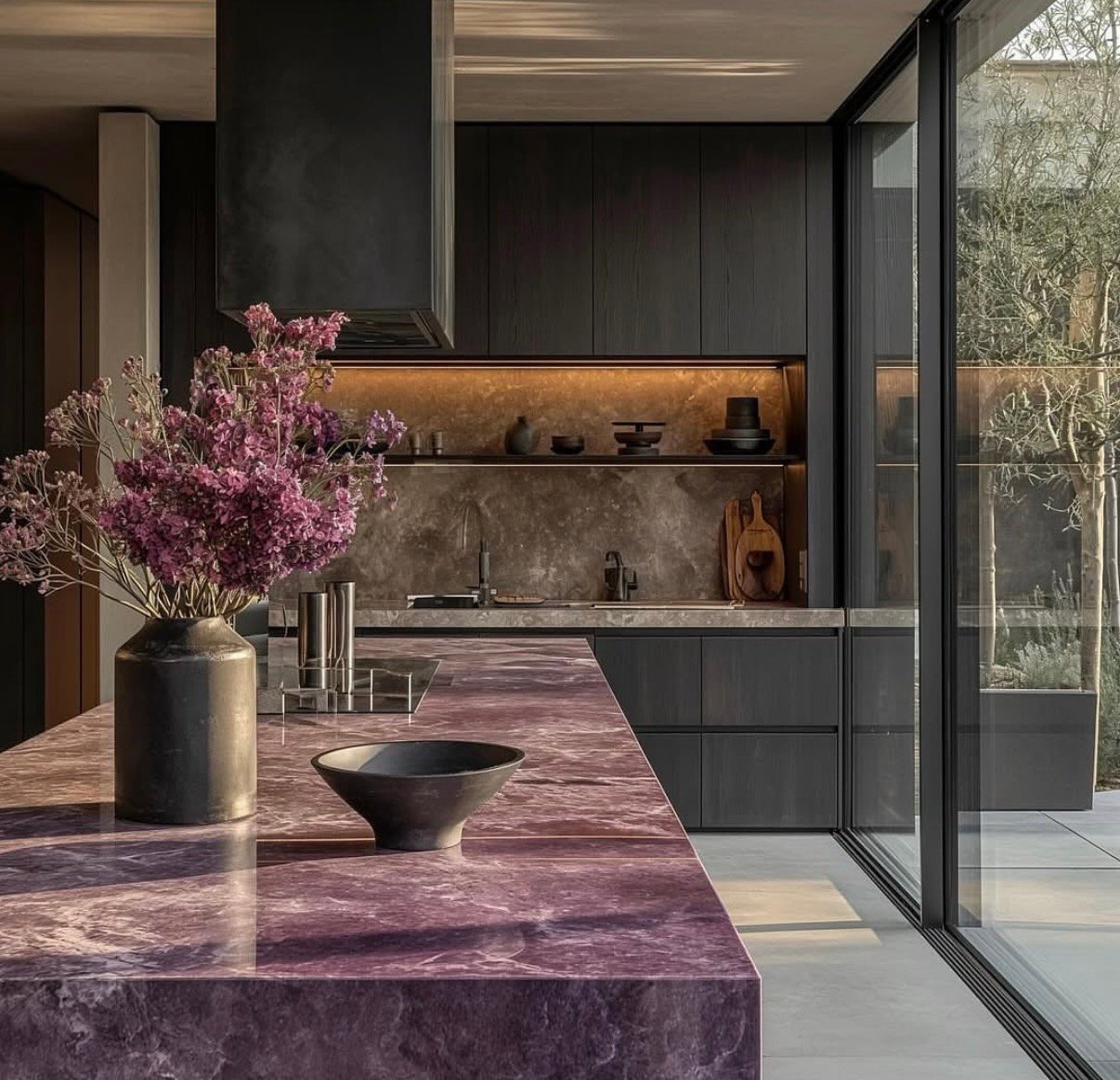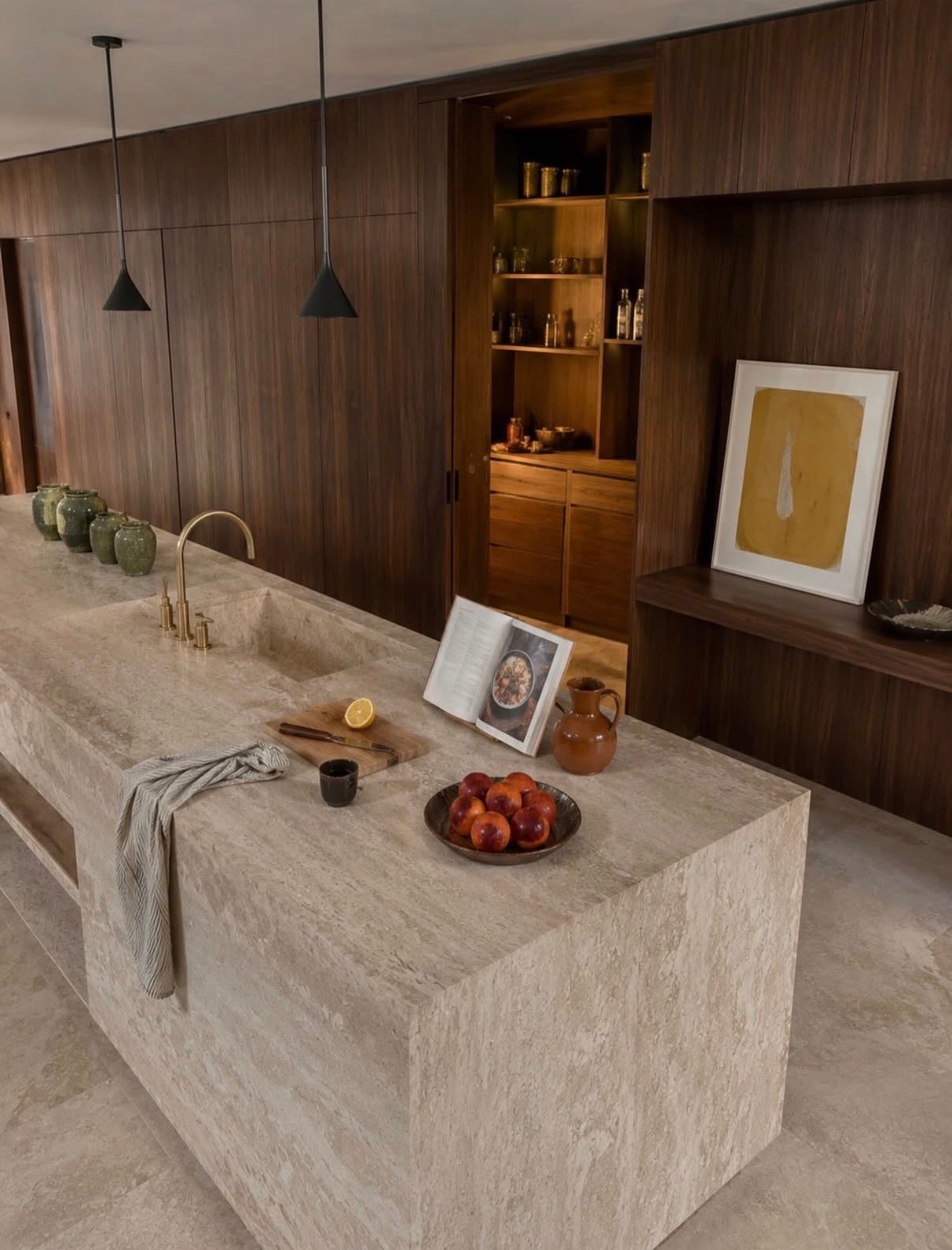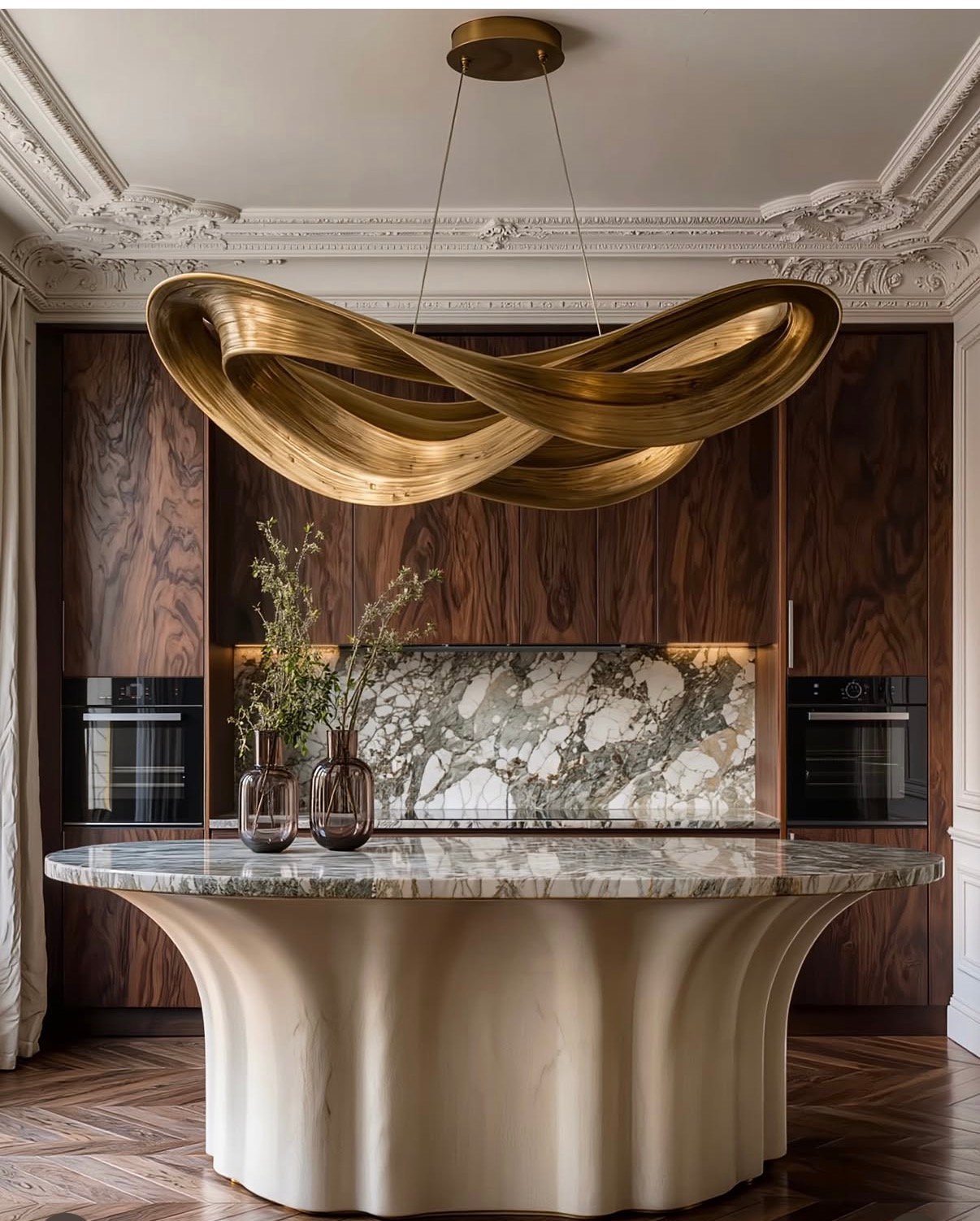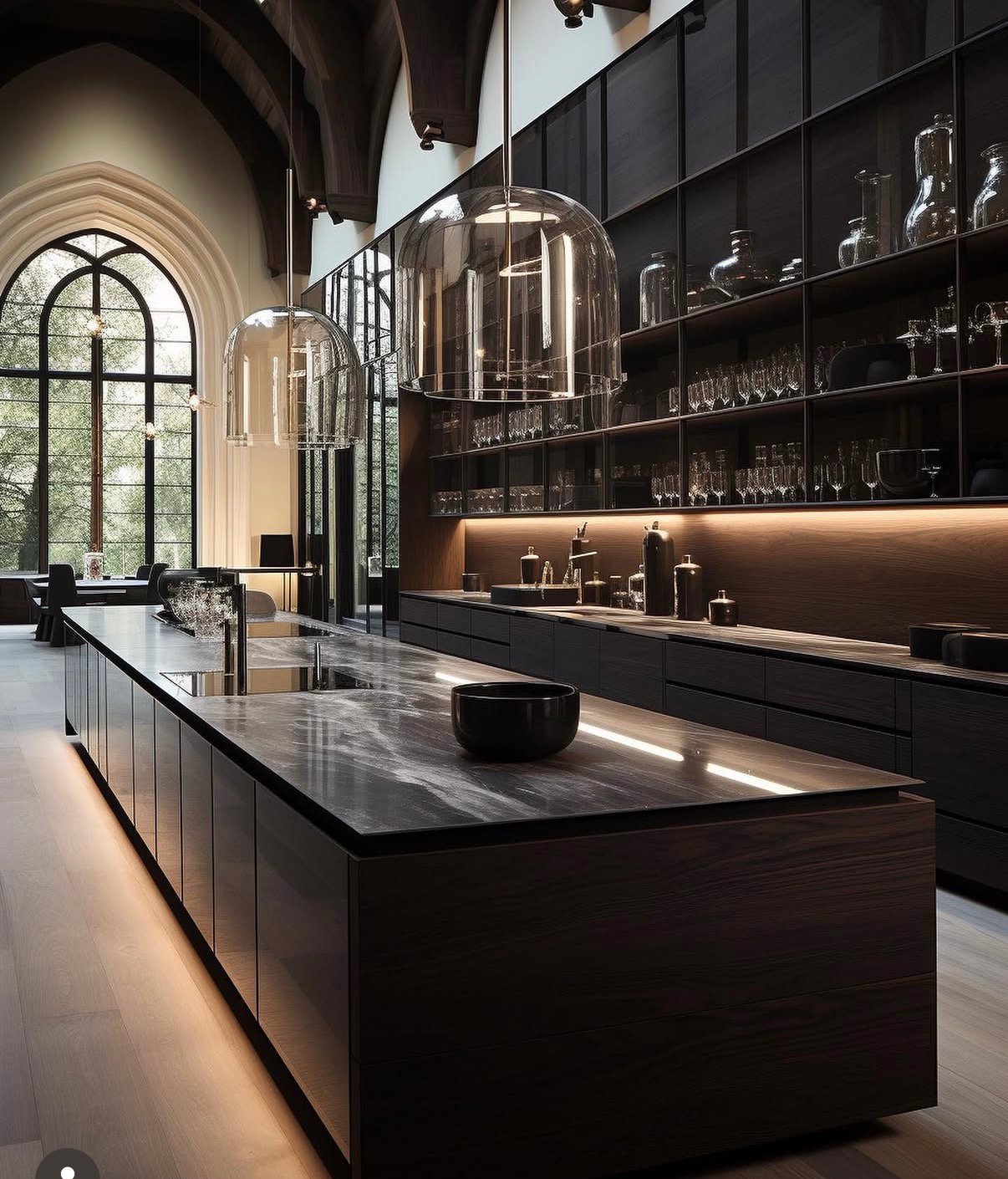
B&B Luxe List Fridays: Why the Kitchen Work Triangle Is Officially Out
For decades, the kitchen work triangle was treated as gospel: connect the sink, cooktop, and refrigerator in a tight, efficient loop, and you would have a well-functioning kitchen. House Beautiful’s July 9, 2026 feature makes clear that while the triangle still has value, top designers are no longer treating it as the final word—especially in larger, more layered luxury homes.wikipedia+1
Today’s kitchens are expected to do much more than support one cook preparing one meal. They are gathering spaces, coffee bars, homework stations, entertaining hubs, and often the visual center of the home, which is why designers are shifting from one strict triangle to a more nuanced, lifestyle-based zoning strategy.nps+1
Why the triangle is out
The traditional triangle was built around efficiency, and House Beautiful notes that its logic is still sound: fewer steps between the sink, fridge, and cooktop can mean easier meal prep. Rebekah Zaveloff describes the concept as avoiding hard turns and unnecessary walking, but both House Beautiful pieces emphasize that the triangle is now more of a starting point than a complete design solution.wikipedia+1
The problem is that modern kitchens are no longer single-purpose rooms. Designer Sarah Robertson told House Beautiful that beyond the triangle, designers now consider cooking style, household makeup, ages and abilities, traffic patterns, entertaining habits, natural light, and access to the outdoors, all of which can dramatically reshape the best layout for a particular home.wikipedia
In other words, the triangle can feel too simplistic for the way affluent households actually live. A family with children grabbing snacks after sports, a couple who entertains often, or a homeowner who wants a coffee station, drinks area, baking zone, and walk-in pantry needs a kitchen that works for multiple users and rituals at once—not just one efficient cooking loop.nps+1
What is in: kitchen zones
What is replacing the triangle is not chaos, but a more tailored system of zones. House Beautiful explains that designers are now organizing kitchens by purpose, creating primary zones for food prep, cooking, cleanup, and dry storage, then layering in secondary zones such as coffee bars, drinks stations, baking areas, dining or hangout spaces, and desk or drop zones.wikipedia
This is a major shift in philosophy. Instead of asking whether the sink, stove, and fridge make a neat triangle, designers are asking how the household uses the kitchen from morning to night, and then assigning space accordingly.housebeautiful+1
That means a breakfast station can be stocked with a coffee machine, mugs, sweeteners, and small appliances in one place. A snack zone can be positioned away from the main cooking path so children or guests are not cutting through the chef’s workspace. A cleanup zone can place the dishwasher on the side of the sink closest to dish storage, reducing unnecessary crossing and congestion.wikipedia
Why zones make sense in luxury homes
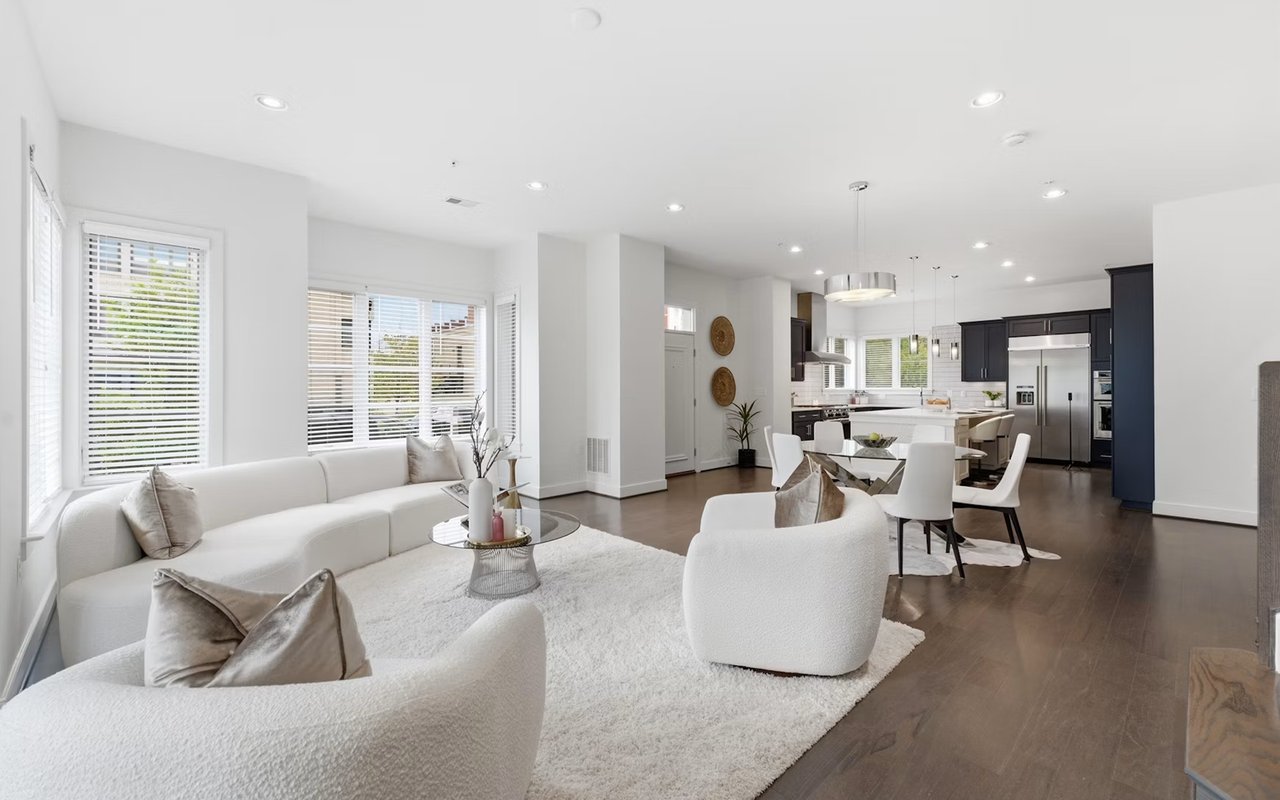
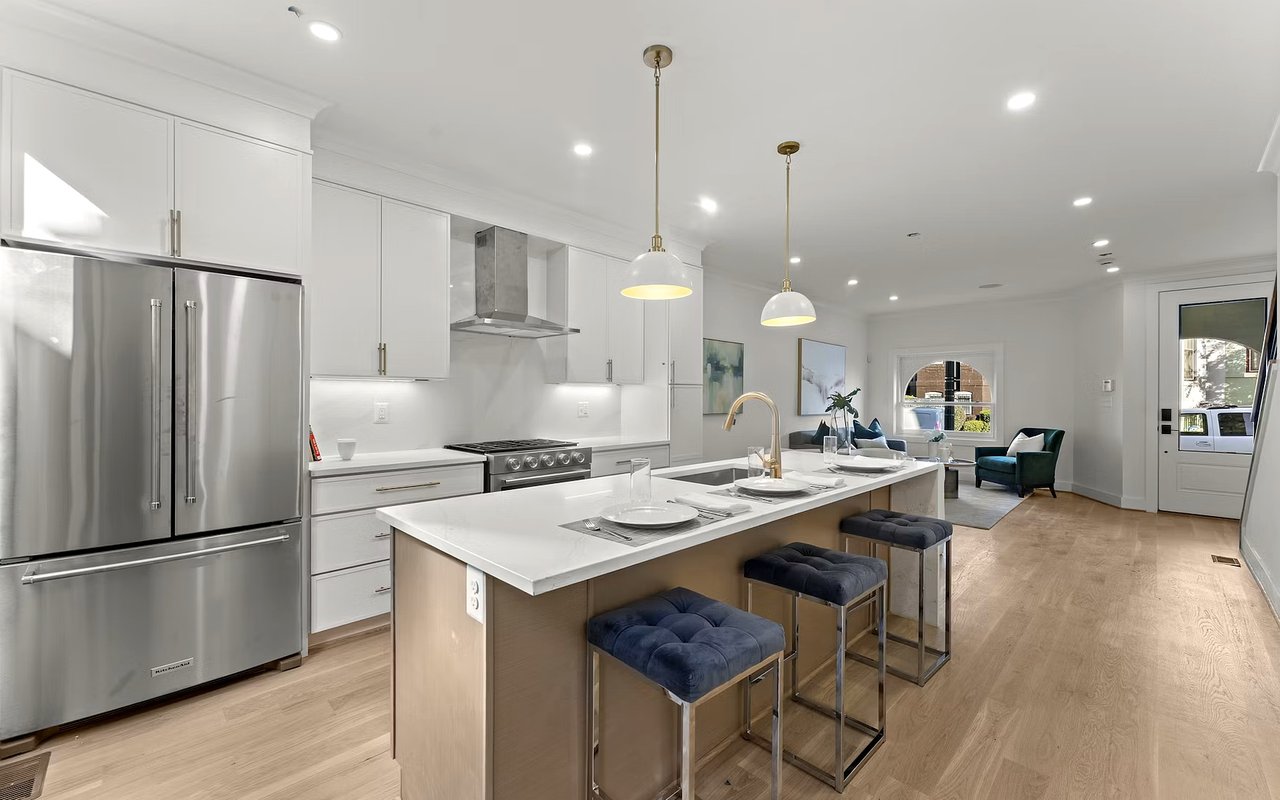
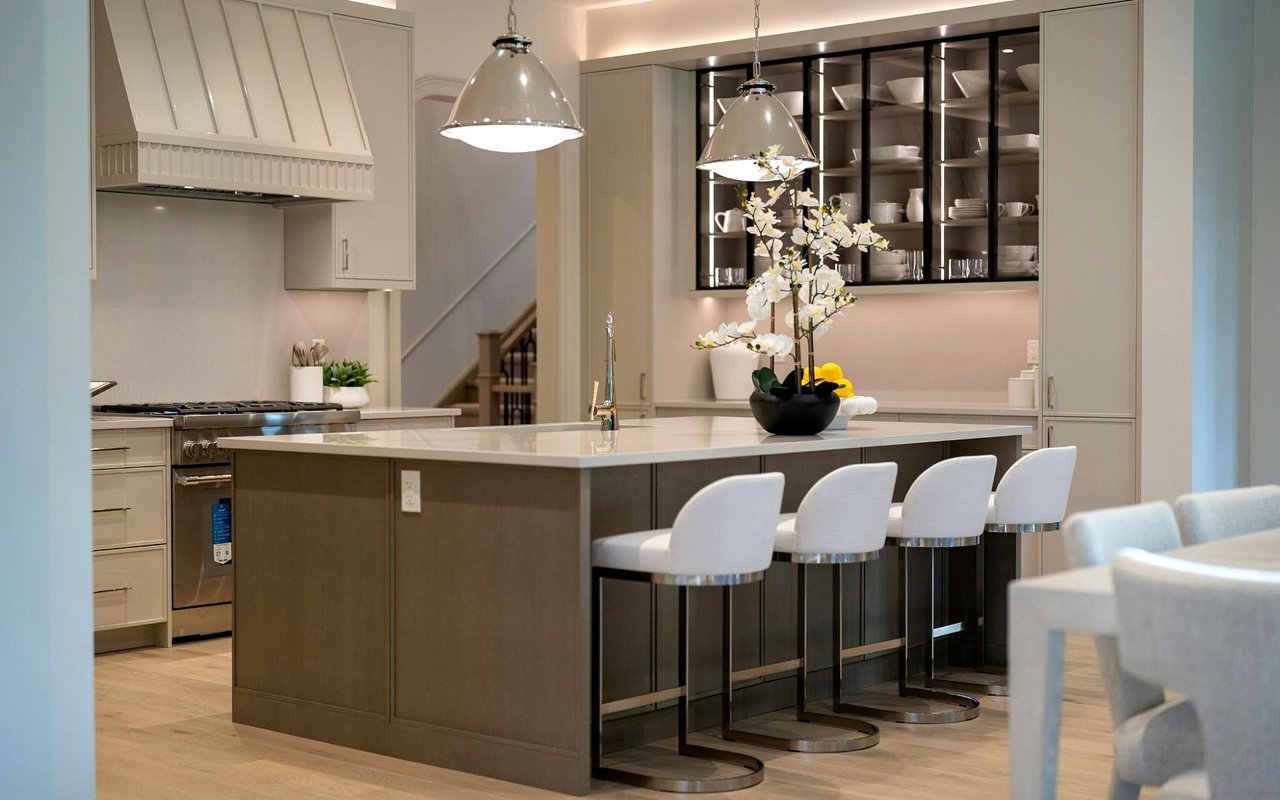
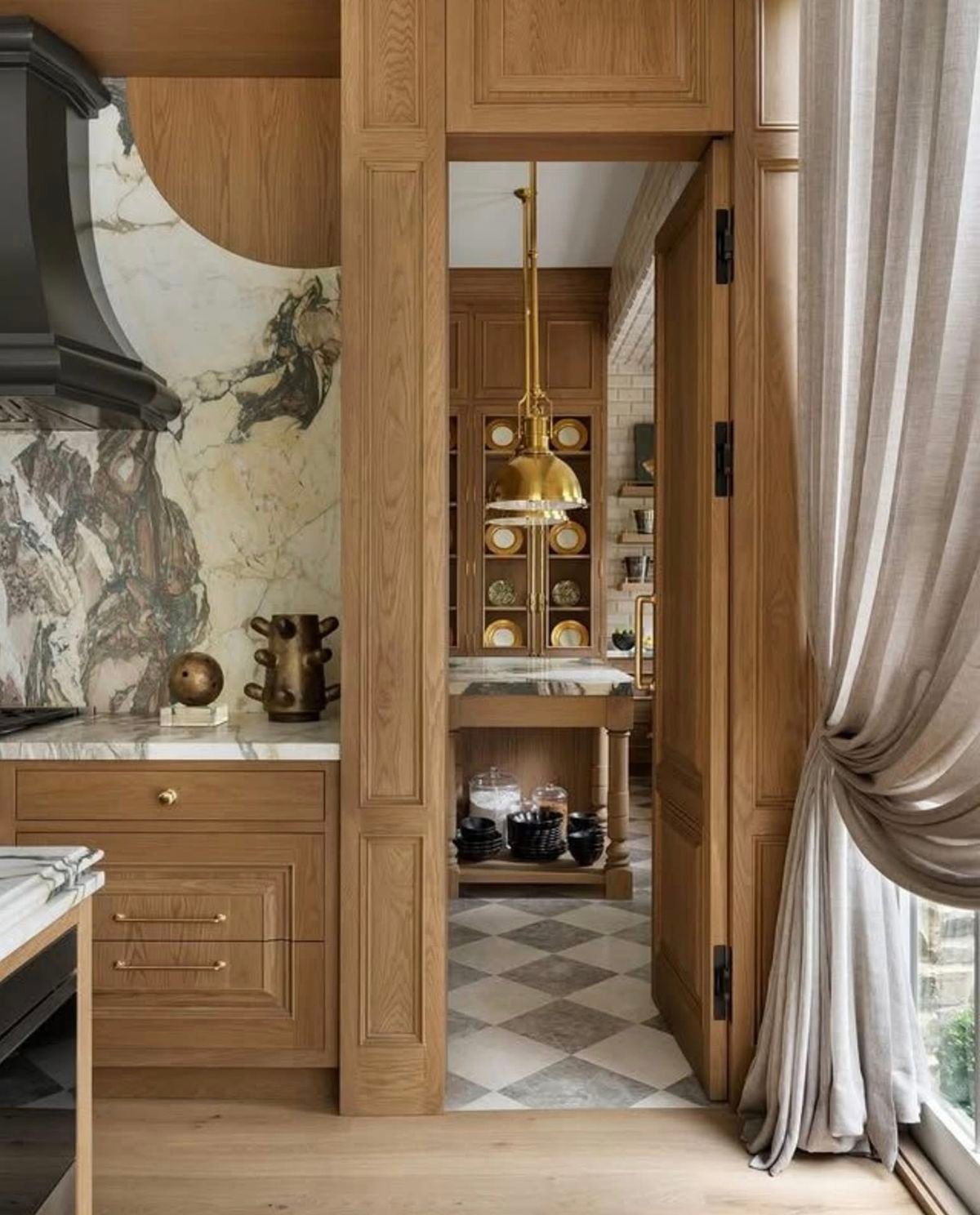
This trend is especially relevant in high-end homes because luxury kitchens tend to be larger, more open, and more connected to surrounding living areas. In expansive kitchens with islands, secondary refrigeration, walk-in pantries, and direct outdoor access, forcing everything into one tight triangle can actually reduce functionality rather than improve it.nps+1
Zones allow a luxury kitchen to perform like a beautifully choreographed space. One person can cook, another can unload the dishwasher, a guest can pour a drink, and a child can grab a snack without everyone colliding at the same island. That kind of flow is exactly what makes a kitchen feel intuitive, polished, and expensive in practice—not just in finish level.nps+1
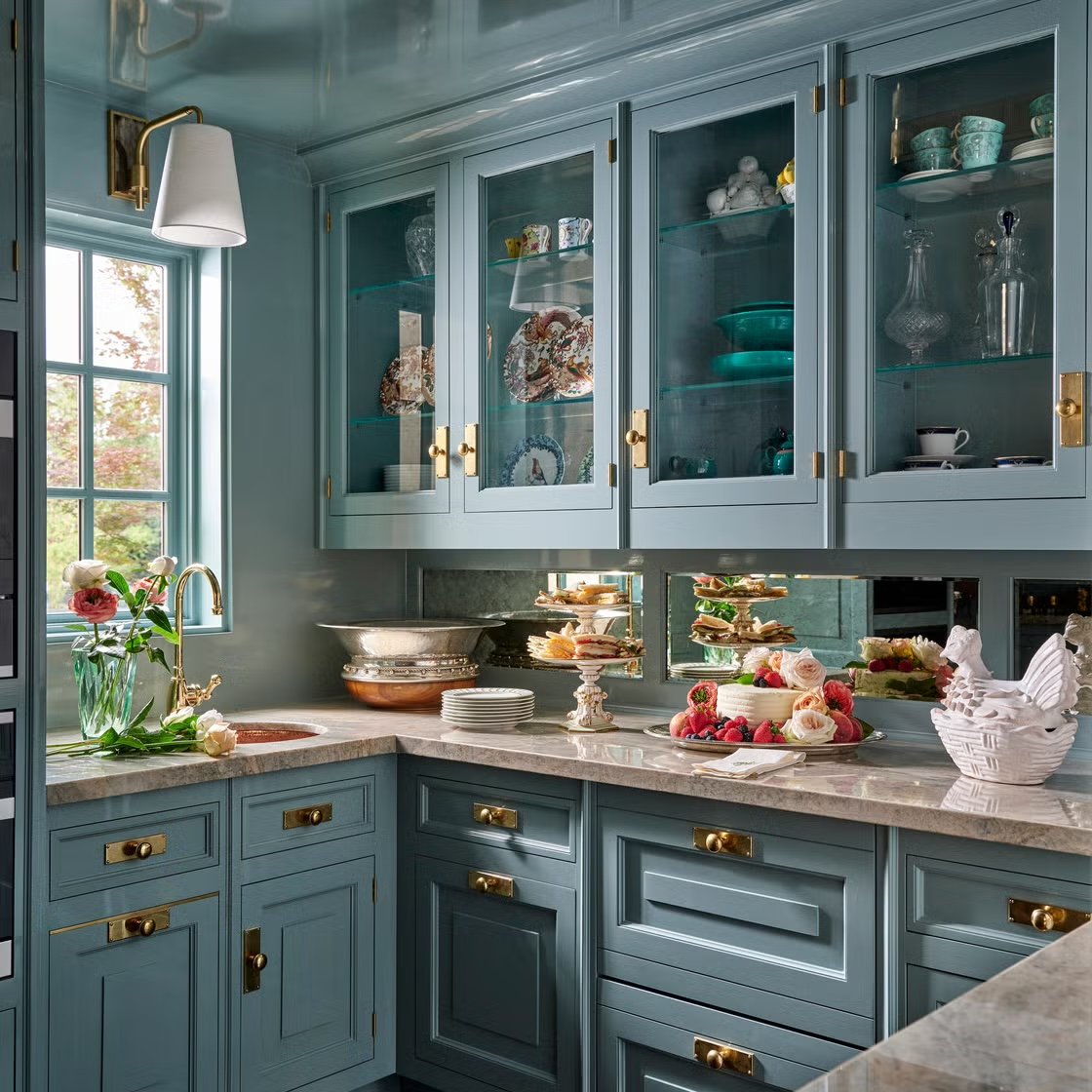
This is also why designers are increasingly moving less-used appliances to the periphery. House Beautiful notes that freezers, second ovens, and even secondary fridges may be better placed in a walk-in pantry or supporting zone if it helps preserve the efficiency of the spaces used most often.nps+1
What is in, specifically
According to House Beautiful, what is in now is a kitchen planned around real-life routines and multiple users. The most relevant design elements include:wikipedia+1
Dedicated prep, cooking, cleanup, and pantry zones.wikipedia
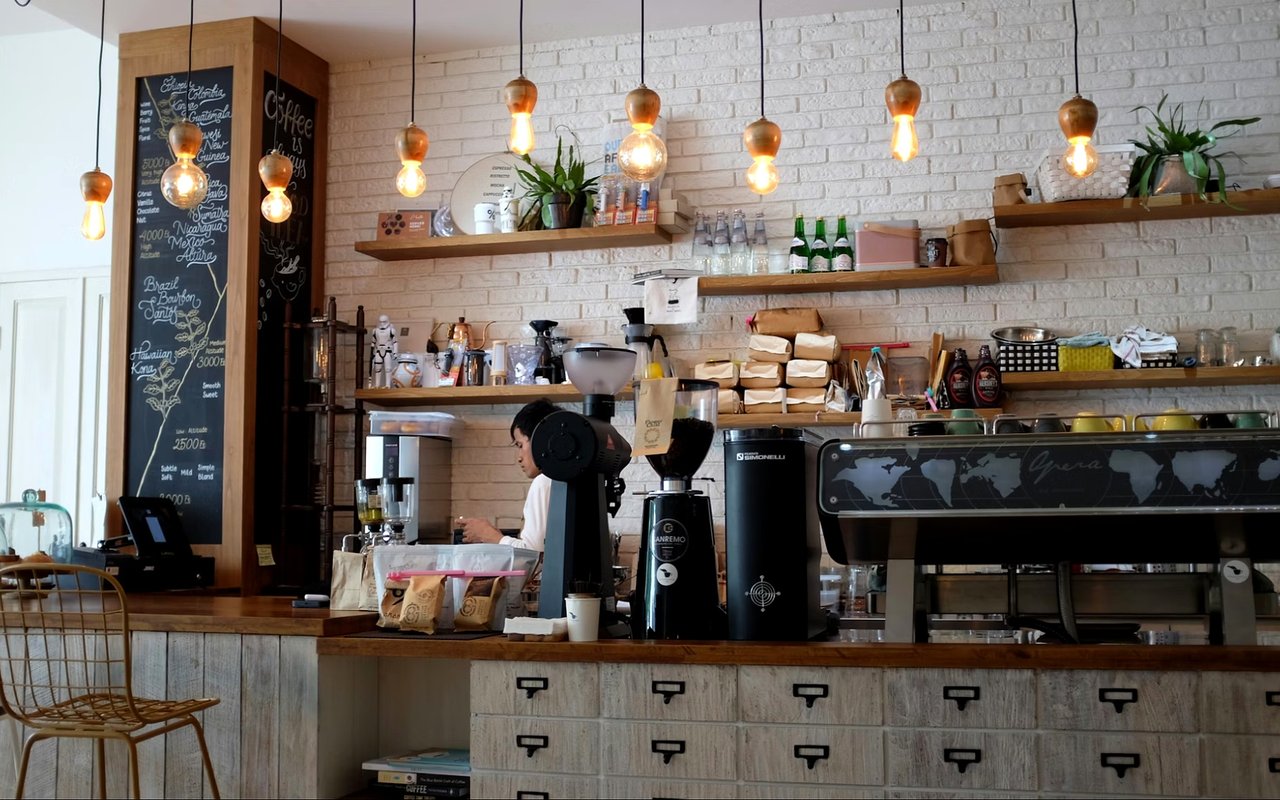
Coffee or breakfast stations that keep morning routines self-contained.nps+1
Drinks and entertaining zones positioned near dining or living areas.wikipedia
Snack zones placed away from the main cooking corridor.wikipedia
Peripheral placement for less-used appliances, such as a second oven or freezer.nps+1
Walk-in pantries that absorb bulk storage, overflow refrigeration, and small appliances.nps+1
Lighting, charging points, and storage planned specifically around each zone’s function.nps
What is especially compelling here is that zoning is not just about layout. House Beautiful’s UK feature points out that zoning also informs power placement, task lighting, and storage, making the kitchen feel calmer and more intuitive even when several people are using it at once.nps
What this means for buyers and sellers
For buyers, this trend is a reminder to look beyond surface finishes. A kitchen can have exquisite stone, custom millwork, and top-tier appliances, but if the layout creates bottlenecks, the room will never truly live well. The new standard is not simply beauty, but beauty paired with a floor plan that supports actual daily use.wikipedia+1
For sellers, especially in the luxury market, this is an opportunity to better frame an existing kitchen. If your home already has a pantry that could function as a breakfast or prep zone, a secondary beverage area, or a smartly separated cleanup path, those are no longer minor features. They are part of a larger design conversation buyers are actively paying attention to.housebeautiful+1
For those planning renovations, the message is even clearer: do not renovate around outdated rules alone. Renovate around how your household actually lives. That is where timeless value comes from.nps
B&B perspective
At B&B Luxury Properties, we believe the strongest luxury design trends are the ones that genuinely improve the way a home lives. The move from the work triangle to kitchen zoning is a perfect example: it is less about chasing novelty and more about creating a space that feels tailored, elegant, and effortless in daily life.Memory
In today’s market, buyers respond to homes that feel intentional. A kitchen that can support entertaining, family life, coffee rituals, homework, cleanup, and quiet mornings without friction is no longer a bonus. It is increasingly part of what distinguishes a truly elevated home from one that is merely updated.Memory+2