If you are drawn to Old City, you are probably not looking for a cookie-cutter condo. You want character, walkability, and a home that feels connected to Philadelphia’s past while still working for the way you live now. Buying a historic loft or condo here can be incredibly rewarding, but it also calls for sharper due diligence than a typical purchase. This guide will help you understand what to look for, what to ask, and how to compare Old City’s one-of-a-kind options with confidence. Let’s dive in.
Why Old City Feels Different
Old City is one of Philadelphia’s most distinctive residential environments, with roughly 8,000 residents living among historic townhouses, industrial loft apartments, and newer condominium properties. The neighborhood continues to see residential growth, but its appeal is still rooted in its historic fabric and mixed-use energy.
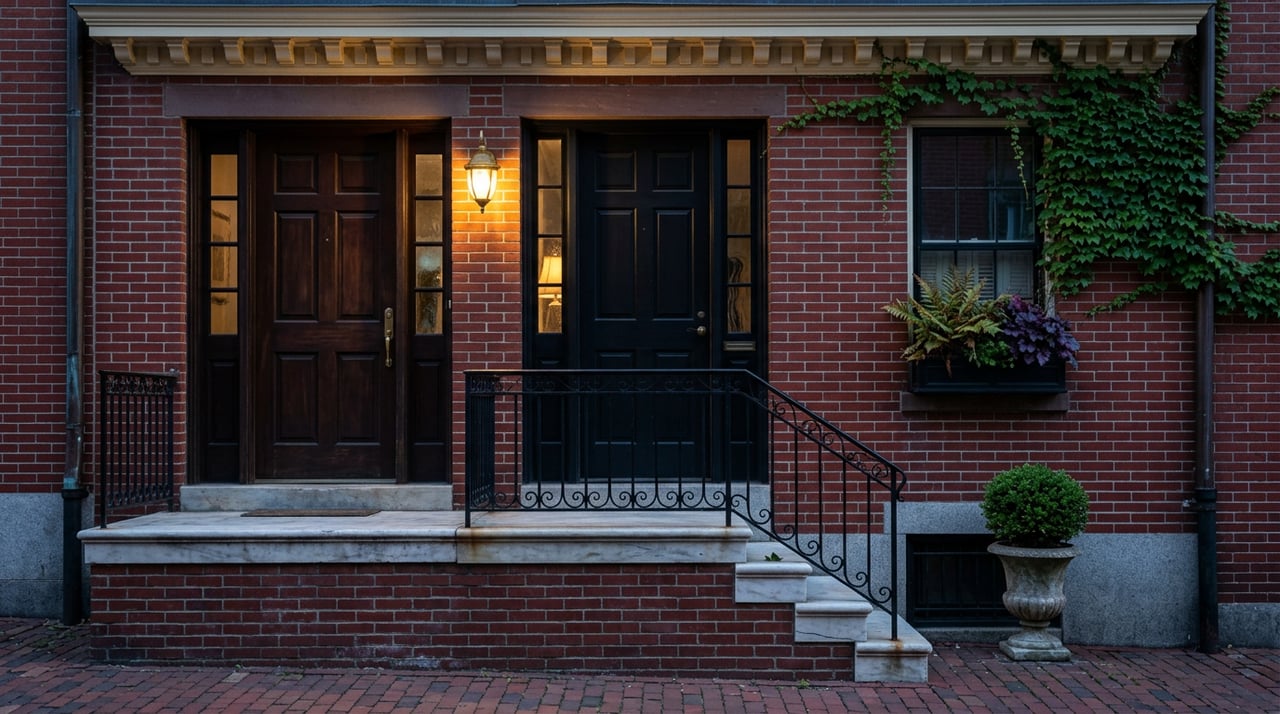
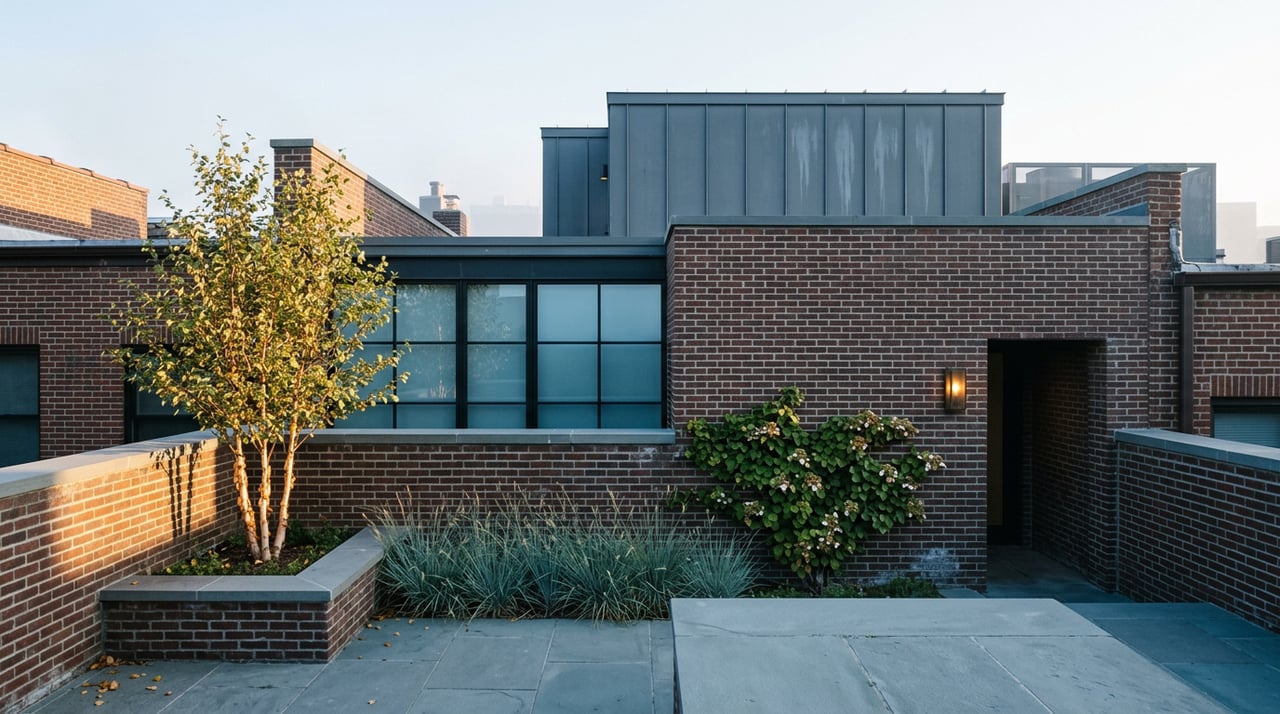
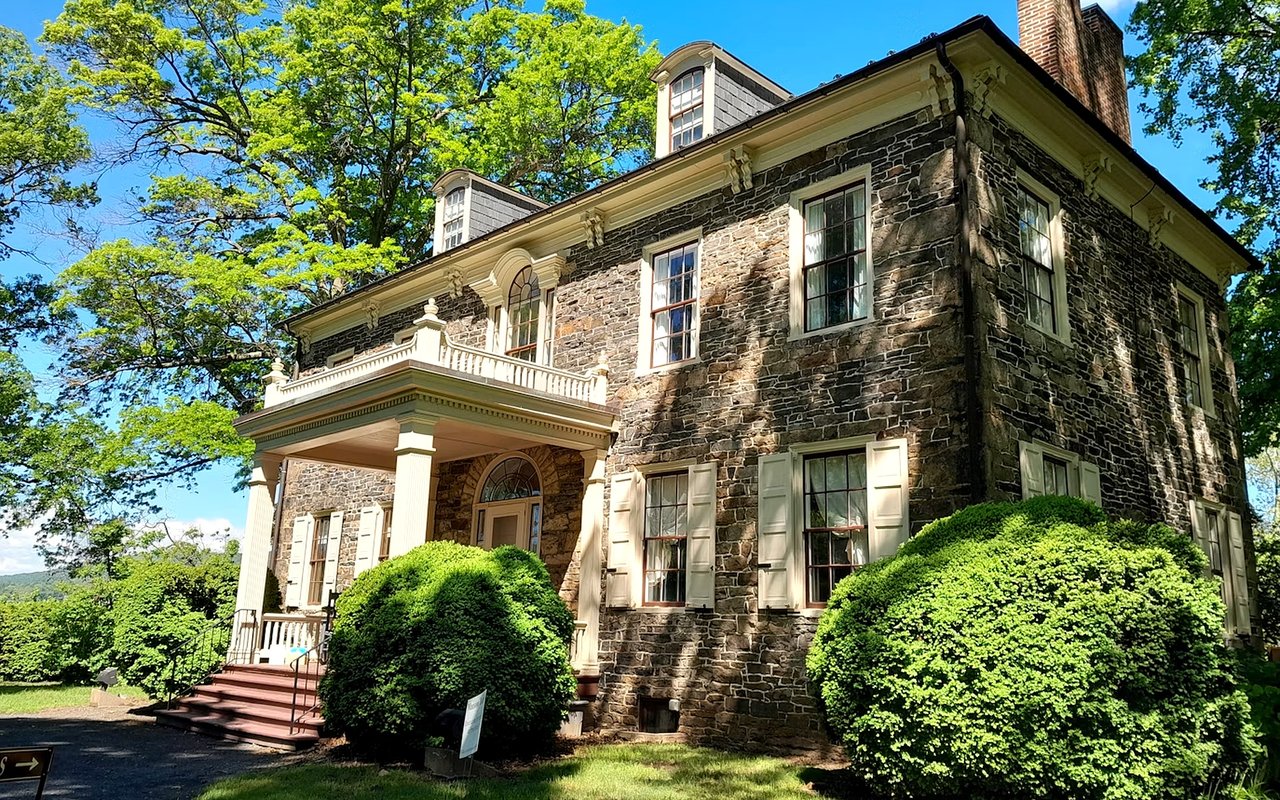
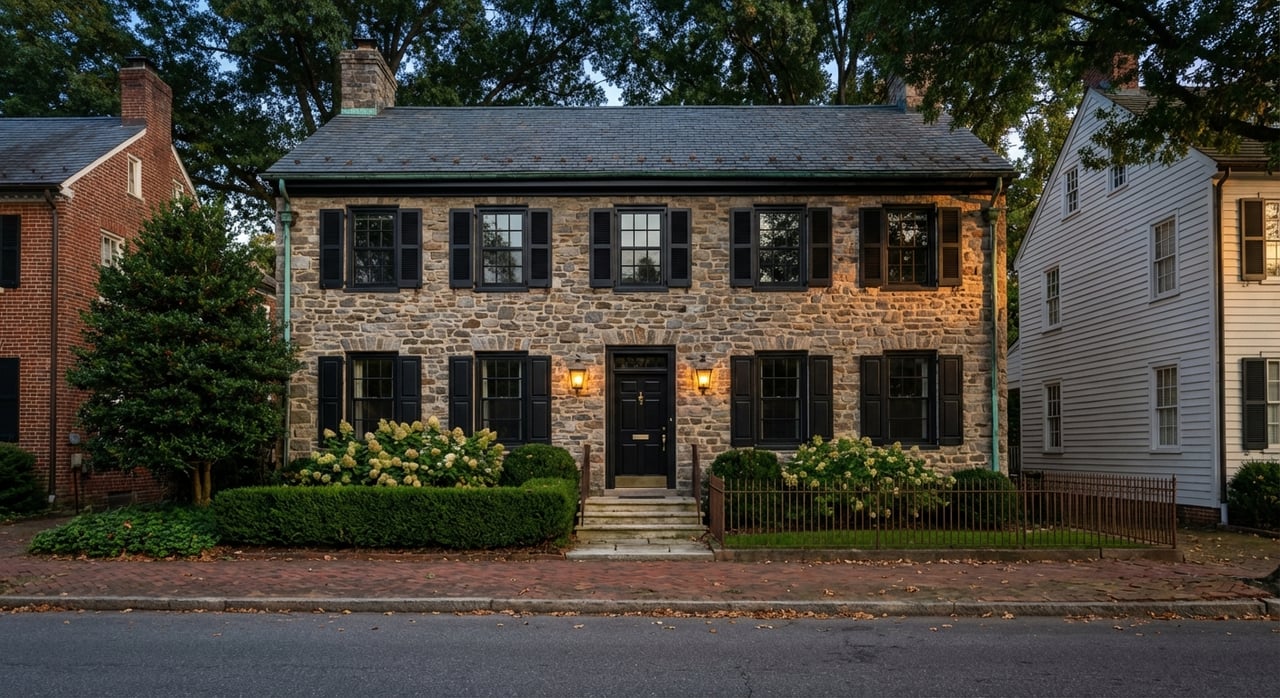
Within the Old City Historic District, the building stock includes brick, stone, and cast-iron lofts, warehouses, manufactories, and commercial buildings dating across a long period of significance from 1676 to 1929. For you as a buyer, that means the market is not uniform. You may be comparing an adaptive-reuse loft with original masonry and oversized openings against a newer condo with more standardized systems and amenities.
Old City also offers a dense urban lifestyle shaped by museums, theaters, galleries, dining, nightlife, and independent retailers. That walkability is a major draw, but it can also mean more visitor traffic, more street activity, and a different day-to-day feel than a quieter residential pocket.
Know the Building Before You Fall in Love
In Old City, the building matters almost as much as the unit. Two homes with similar square footage can live very differently depending on whether they sit in a former warehouse conversion, a smaller historic building, or newer construction.
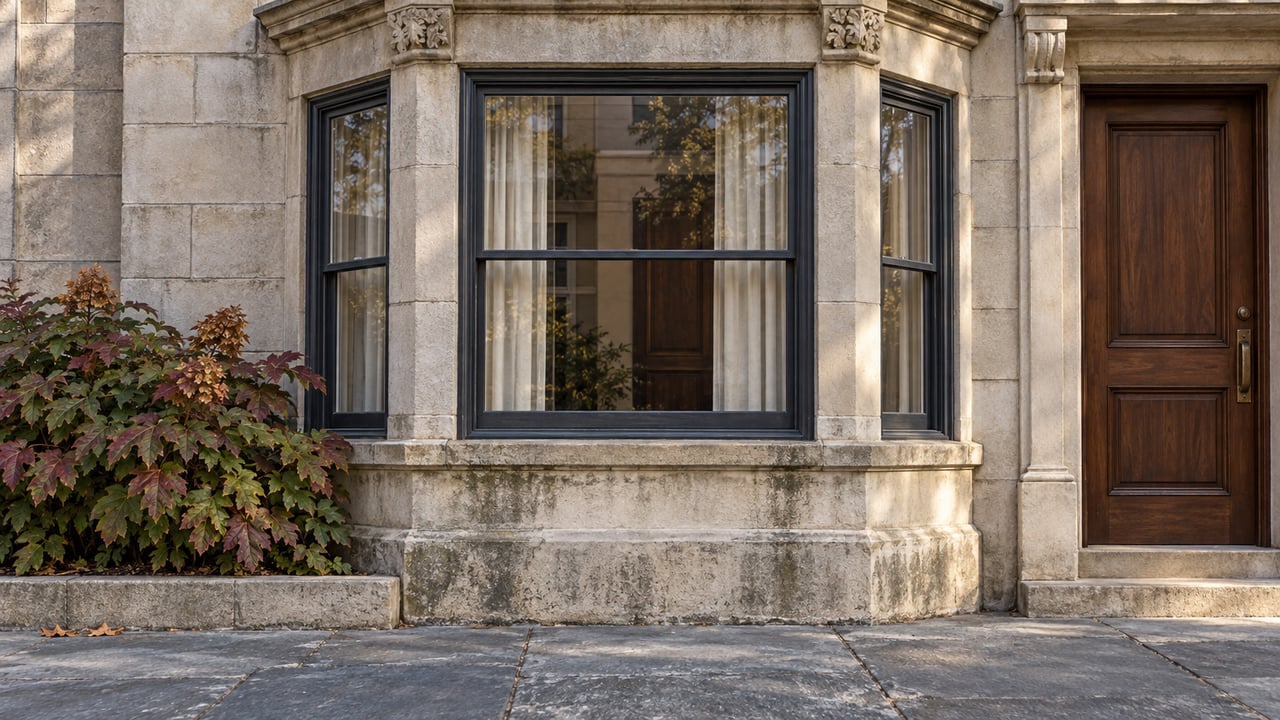
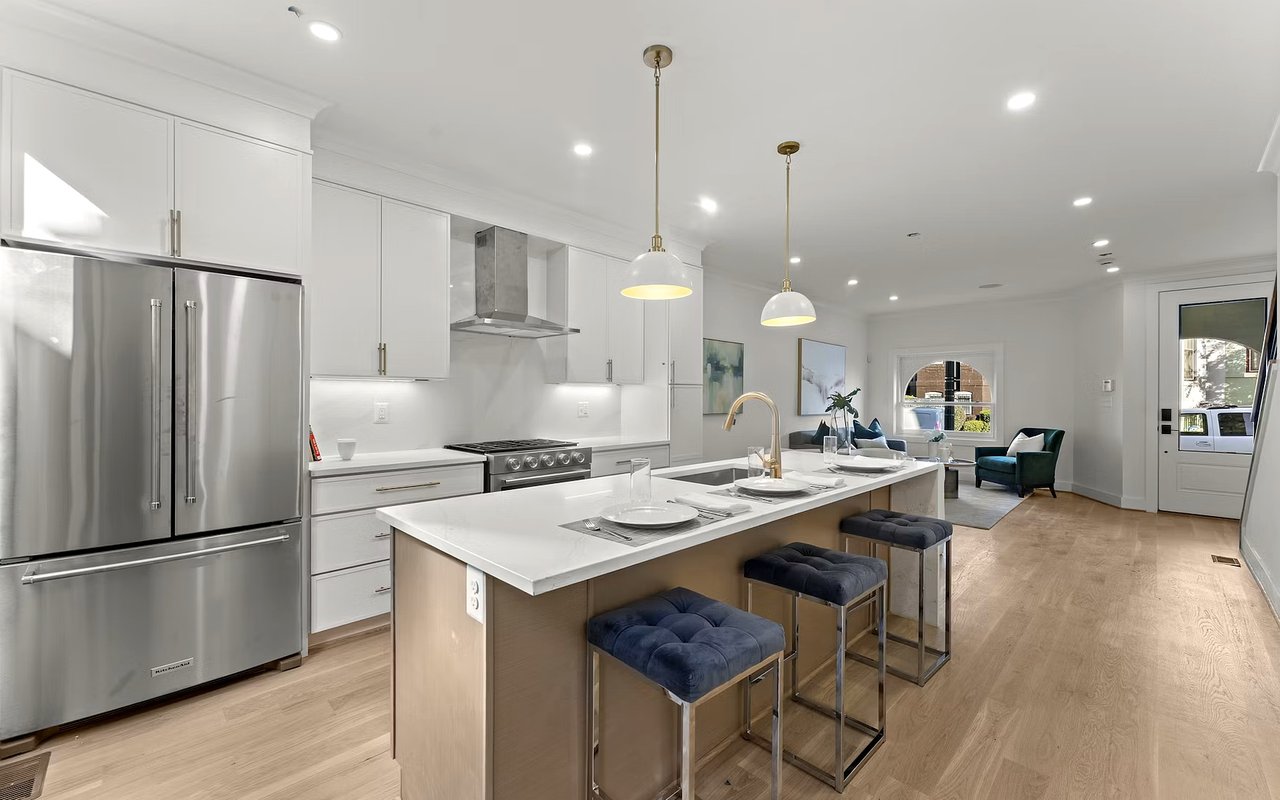
Historic conversions often offer details that are hard to replicate, including exposed masonry, heavy timber, tall ceilings, and original window openings. Newer condos may offer more predictable layouts, newer systems, and a more familiar amenity package. Neither option is automatically better. The right fit depends on how much you value character, flexibility, and long-term maintenance predictability.
Before you get too attached to finishes or staging, confirm the building type and how it functions. Ask whether the property is part of a historic conversion, when major systems were updated, and how common elements are maintained.
Check Historic Status Early
One of the most important early steps is confirming whether the property appears on the Philadelphia Register of Historic Places. If it does, changes to the property may require approval from the Philadelphia Historical Commission.
For registered properties, review is commonly required for work involving facades, roofs, windows, doors, masonry cleaning and repair, mechanical equipment, exterior wiring, fences, sidewalks, driveways, and other alterations that affect exterior appearance. Most interior alterations are generally exempt, and the commission generally only has jurisdiction over interiors that are individually designated.
That distinction matters. You may be free to personalize much of the interior, while still facing limits or approval requirements for exterior-facing changes. Historic designation also does not mean the property must be restored to an original state. The city states that the goal is to manage change, not prevent it, and alterations made before designation are grandfathered.
What Historic Review Means for You
If you are buying a loft or condo in a registered building, think beyond the purchase itself. Consider how your plans for the property line up with historic review requirements.
For example, if you hope to replace windows, alter exterior doors, add visible equipment, or make other exterior changes, those plans may need approval. If your vision is mostly interior design, layout updates, or cosmetic improvements within the unit, the process may be more straightforward.
A good rule is simple: verify first, plan second. The city’s property records and historic status tools can help you confirm what you are buying before you assume a building can be modified freely.
Review the Condo Association Carefully
In any condo purchase, the association matters. In a historic building, it matters even more because older structures can bring more variation in maintenance needs, reserve planning, and repair costs.
Under Pennsylvania’s Uniform Condominium Act, the unit owners’ association has broad authority to adopt rules, approve budgets and reserves, collect assessments, and hire managers. Unless the declaration says otherwise, the association is generally responsible for maintenance, repair, and replacement of common elements, while unit owners are responsible for their own units.
That means you should understand exactly where the line is between your responsibility and the association’s. In a loft building, questions about roofs, shared systems, hallways, elevators, exterior walls, and windows can have real cost implications.
Key association documents to review
For a resale condo in Pennsylvania, the seller must provide important documents and disclosures. These help you evaluate the financial and operational health of the building before closing.
You should review:
- The declaration
- The bylaws
- Rules and regulations
- The resale certificate
- The current budget
- Reserve information
- Monthly common expense assessments
- Any unpaid assessments tied to the unit
- Proposed capital expenditures for the current and next two fiscal years
- Insurance coverage information
- Any judgments or pending suits
- Known violations or hazardous conditions
This is not paperwork to skim. In a historic or adaptive-reuse building, the association’s financial strength can directly shape your ownership experience.
Pay Attention to Insurance and Assessments
Pennsylvania law requires the association to maintain property insurance and liability insurance to the extent reasonably available. These policies may include deductibles, which is important to understand before you buy.
You should also know that unpaid assessments can become a lien on the unit. That makes the association’s collection practices, budget discipline, and reserve planning more than administrative details. They are part of your risk picture as a buyer.
If the monthly fee seems low for an older or more complex building, ask whether reserves are strong enough to support future repairs. If the fee seems high, ask what it covers and whether it reflects proactive maintenance.
Look Closely at Conversion Buildings
Old City’s historic fabric includes many former industrial and commercial buildings, so adaptive-reuse condos deserve extra attention. Pennsylvania requires added disclosure for conversion buildings, including information on the age and present condition of structural, mechanical, and electrical systems, plus inspection results for visible structural or mechanical defects and health-or-safety conditions.
That is especially valuable in a neighborhood where no two conversions are exactly alike. If the unit is in a converted building, ask what the property was originally, when the conversion took place, and whether major systems have been replaced since then.
You do not need to be alarmed by age alone. Older buildings can be exceptional homes. You simply want a clear picture of condition, upkeep, and future capital needs.
Unit-level details worth testing
Beyond the documents, pay attention to how the unit actually performs during your tour and inspections.
Focus on:
- Sound transfer between units and from the street
- Window operation and condition
- HVAC age and service history
- Elevator access and convenience
- Storage, including deeded or common arrangements
- Layout quirks that may affect furniture placement or daily use
In a converted building, these details can vary widely from one unit to another, even within the same address.
Compare Taxes the Smart Way
When you compare a historic resale condo with newer construction, Philadelphia’s tax structure can affect your monthly and long-term costs. The city states that the 10-year residential tax abatement applies to new construction, but properties receiving that abatement are not eligible for the Homestead Exemption.
By contrast, most owner-occupants are eligible for the Homestead Exemption, and the city says most homeowners save up to $1,399 a year in 2025. That means the lower-tax option is not always the one you assume at first glance.
If a condo or building has any remaining tax abatement, confirm exactly how many years are left. Then compare today’s savings with what your tax exposure may look like once the abatement ends. This is particularly important when you are also weighing HOA fees and potential future assessments.
Think About the Block, Not Just the Unit
Old City is a living district with ongoing residential growth and a broad mix of uses. That is part of what makes it compelling, but it also means your experience can change from block to block.
As you evaluate a property, pay attention to light, views, privacy, noise, and nearby development activity. A beautiful loft can feel very different on a quiet side street than on a more active corridor with steady foot traffic and visitor energy.
This is where local guidance matters. You are not just buying square footage. You are buying into a building, a block, and a daily rhythm.
A Simple Old City Buying Checklist
If you want a practical way to stay organized, use this checklist as you narrow your options.
- Confirm whether the property is on the Philadelphia Register of Historic Places
- Ask which exterior changes require Historical Commission approval
- Review the condo declaration, bylaws, rules, and resale certificate
- Study the budget, reserves, insurance, and any planned capital projects
- Ask whether the building is a historic conversion
- Review disclosures on structural, mechanical, and electrical systems if applicable
- Test windows, HVAC, sound transfer, storage, and elevator access
- Check city property records, sales history, and tax information
- Verify whether any tax abatement remains and for how long
- Evaluate the surrounding block for noise, light, privacy, and development activity
Buying With More Confidence
A historic loft or condo in Old City can offer a level of character and urban texture that newer properties rarely match. The key is understanding exactly what you are buying, how the building is governed, and how your ownership costs may evolve over time.
When you approach Old City with the right questions, you can separate true opportunity from avoidable surprise. If you want a thoughtful, high-touch strategy for buying in Philadelphia’s most distinctive buildings, B&B Luxury Properties offers private, concierge-level guidance tailored to your goals.
FAQs
What should you review before buying a condo in Old City?
- You should review the declaration, bylaws, rules and regulations, resale certificate, monthly assessments, reserves, current budget, insurance coverage, proposed capital expenditures, and any judgments, suits, violations, or hazardous conditions.
Can you replace windows in a historic Old City condo building?
- If the property is listed on the Philadelphia Register of Historic Places, window changes and many other exterior alterations generally require review by the Philadelphia Historical Commission.
Who handles repairs in a Pennsylvania condo building?
- In general, the association handles maintenance, repair, and replacement of common elements, while you handle your unit, unless the condo declaration says otherwise.
How do you know if an Old City building is historically designated?
- You should verify the building’s status through the City of Philadelphia’s historic-property and property-record tools before assuming exterior changes are unrestricted.
Are historic lofts in Old City more complex than newer condos?
- They can be, because converted buildings may have older structural, mechanical, or electrical systems, and layouts, sound transfer, storage, and maintenance needs can vary more from unit to unit.
How should you compare taxes on an Old City condo?
- You should check whether the property has any remaining 10-year residential tax abatement, how many years are left, and whether you may instead qualify for the Philadelphia Homestead Exemption as an owner-occupant.