Luxury Design Trends 2026-2027: What Every Homeowner Should Know
B&B Luxury Properties
Date: 09/24/26
A guide to the interior design, wellness, and technology trends reshaping luxury homes — and what they mean for your property in New Hope and beyond.
The Era of "Lived-In Luxury" Has Arrived
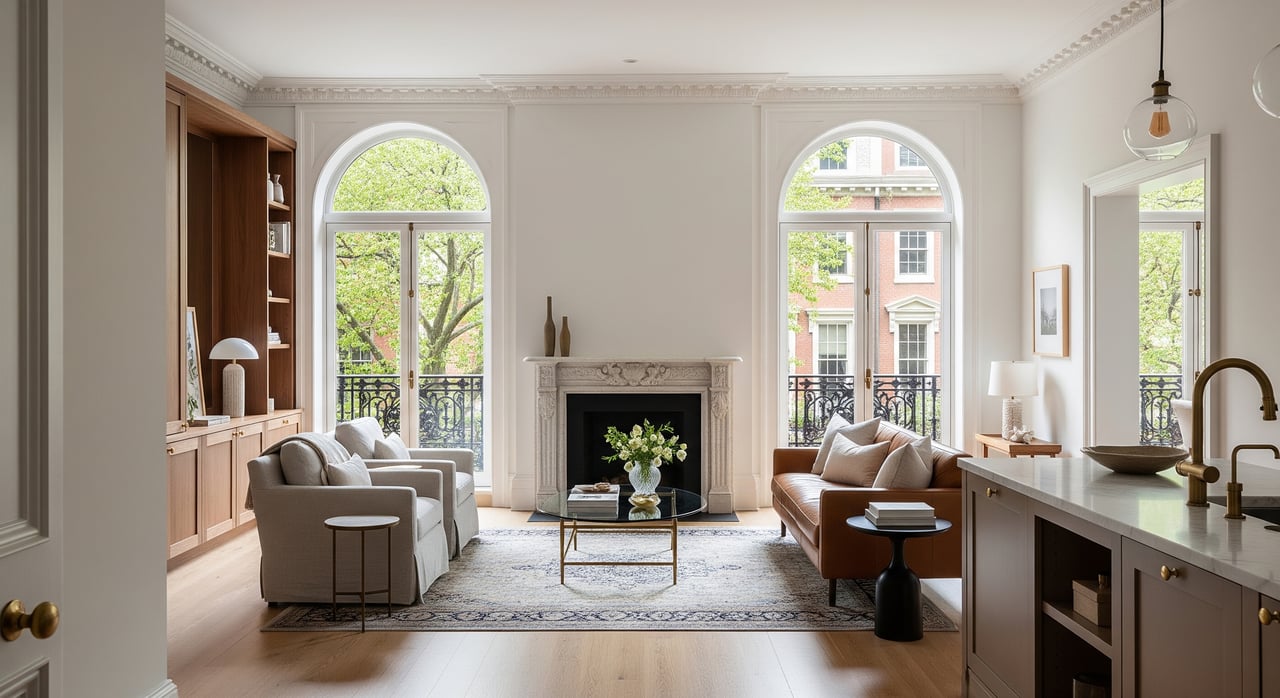
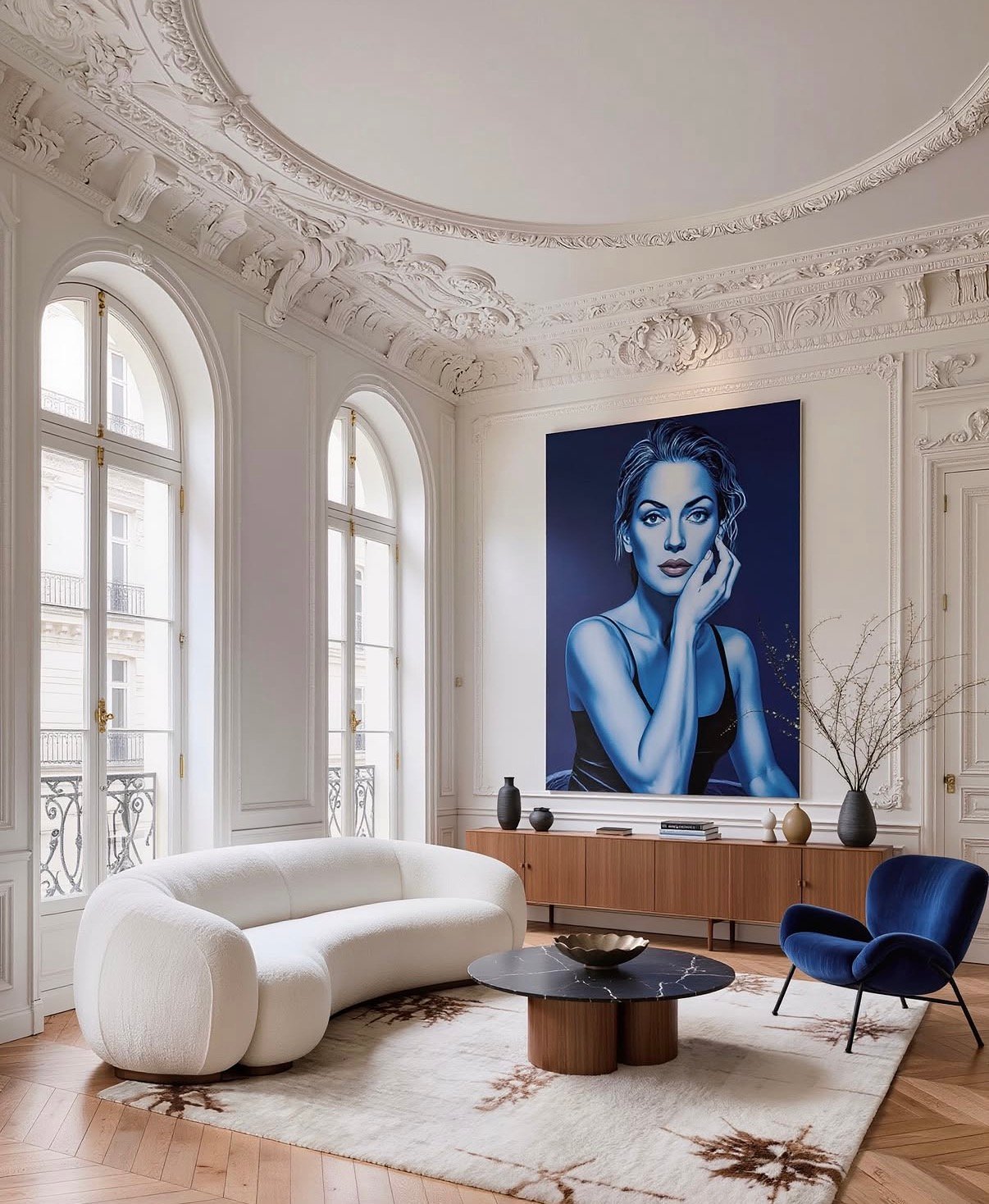
If you've toured a luxury home recently, you may have noticed something different. The cold, stark minimalism that defined high-end interiors for years is giving way to something warmer, more personal, and far more intentional. Designers are calling it "lived-in luxury" — spaces that feel collected over time rather than assembled from a catalog.
At B&B Luxury Properties, we've always believed that luxury is a lifestyle, not just a price point. So we've compiled the defining design trends for 2026 and 2027 to help you understand what today's most discerning buyers are looking for — whether you're preparing to sell, renovating, or simply envisioning your next chapter.
Color & Aesthetics: Warmth Replaces White
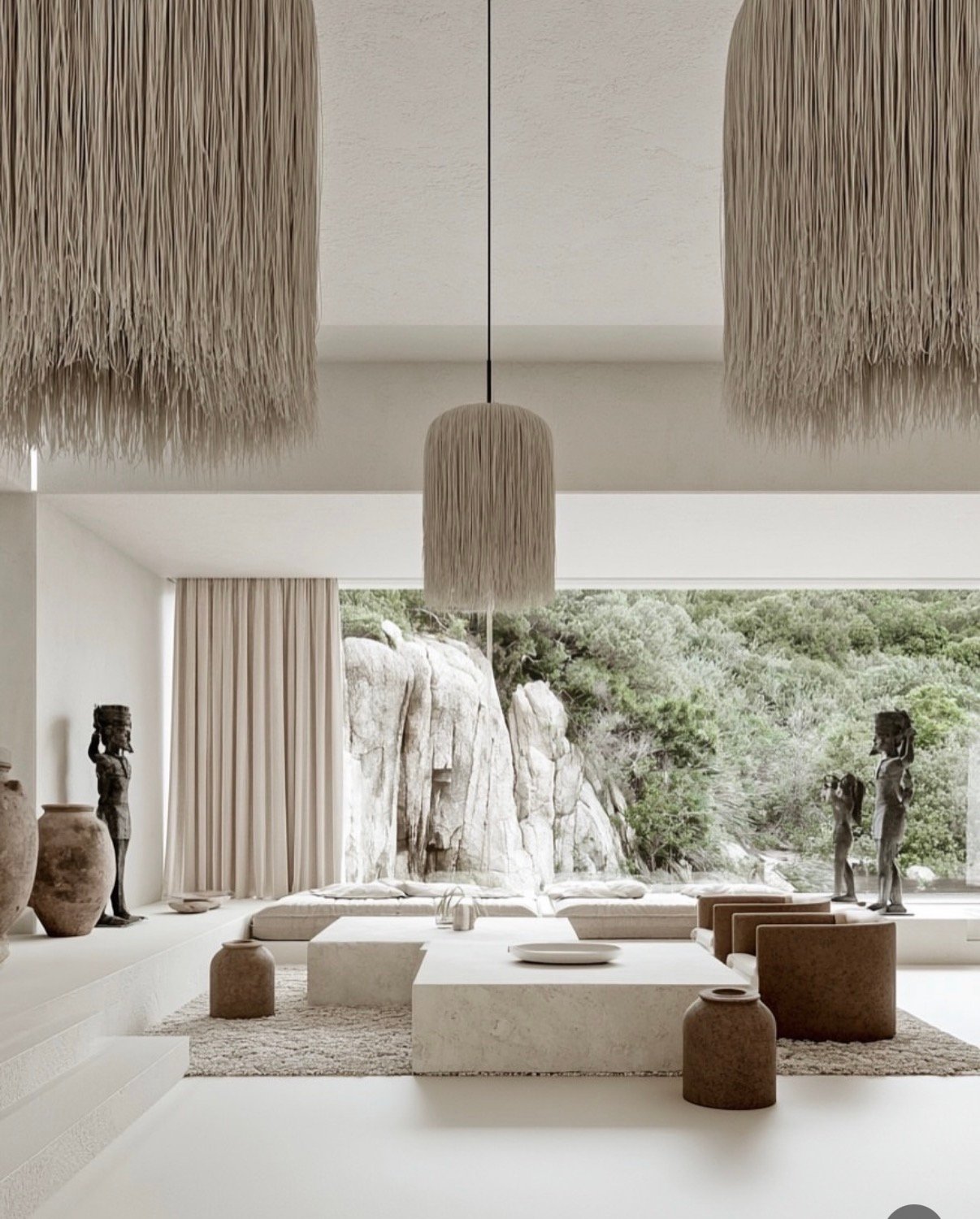
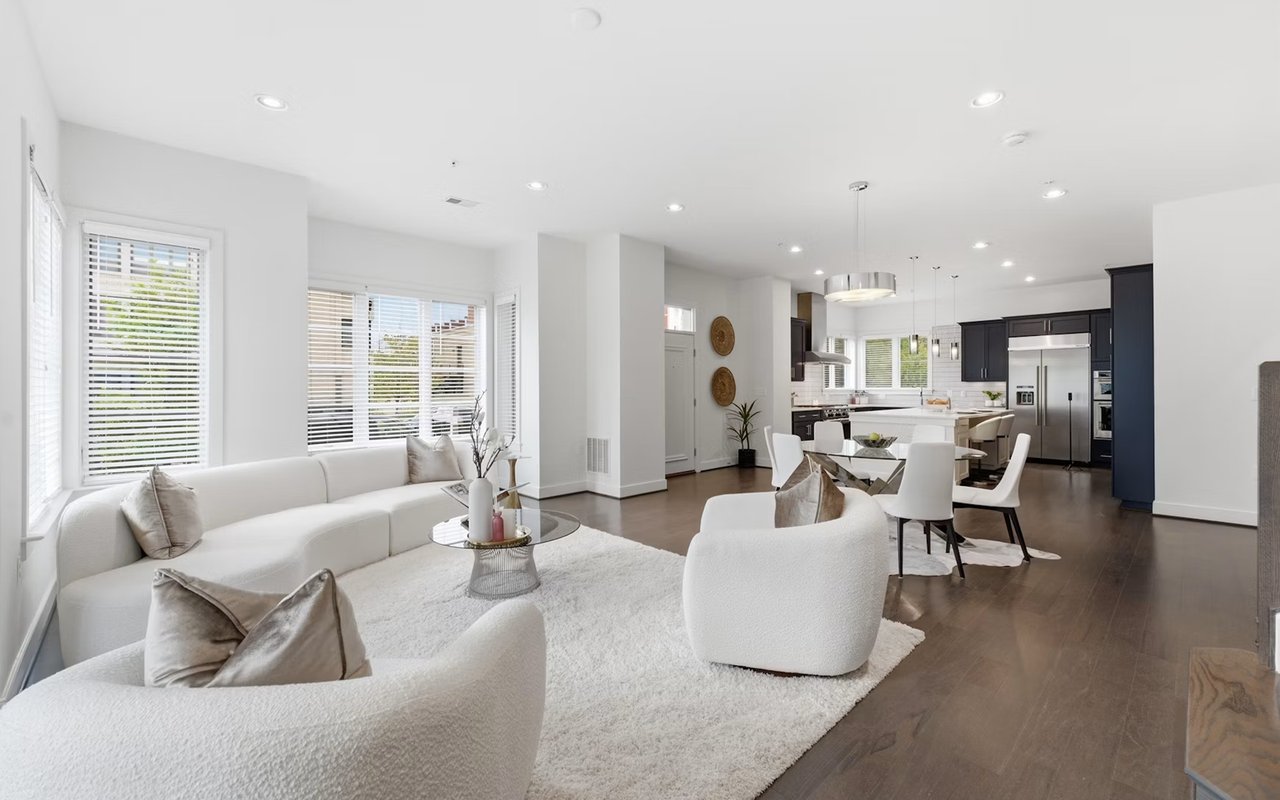
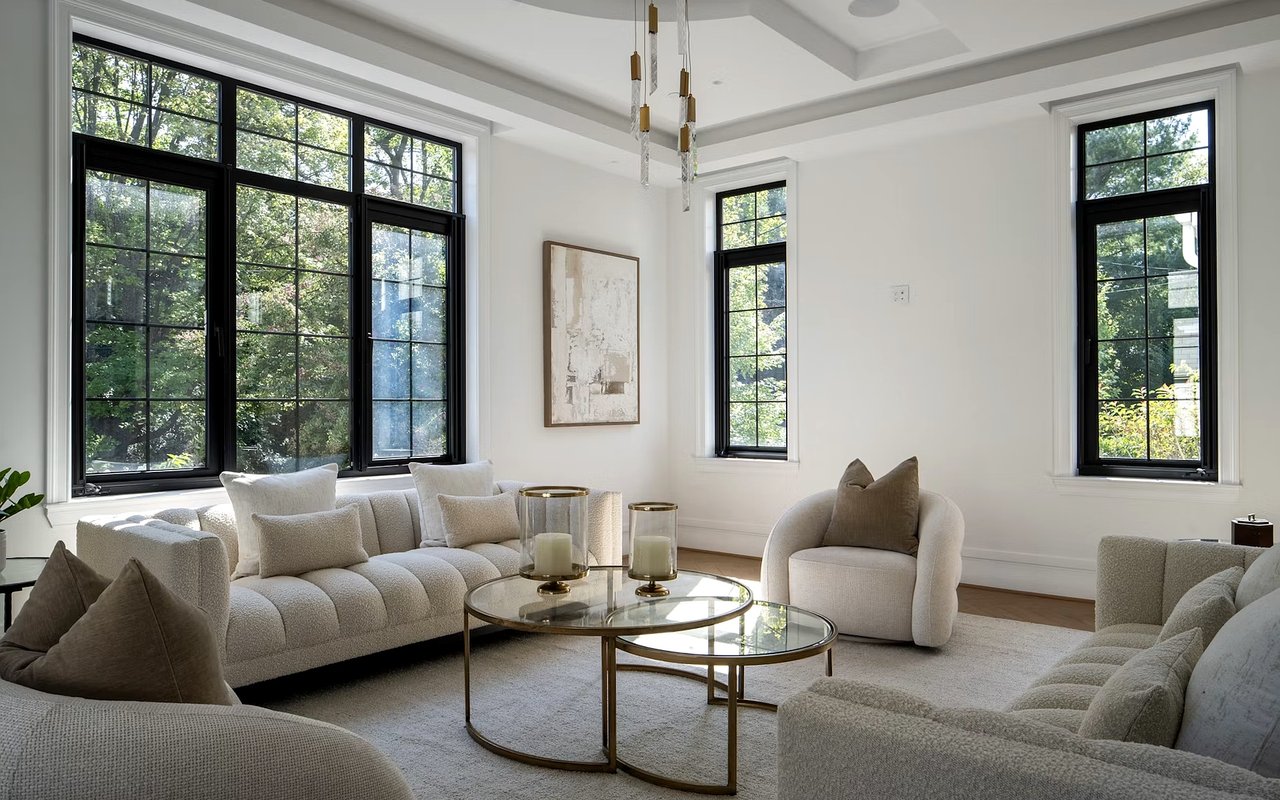
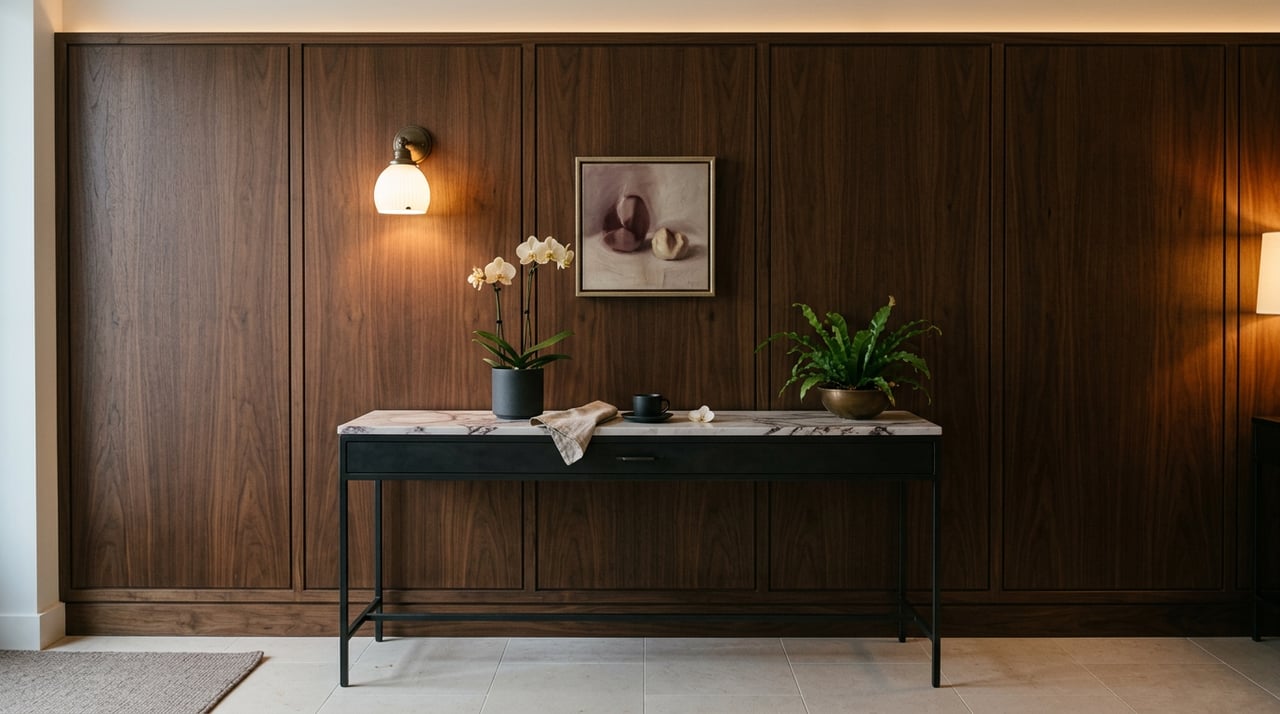
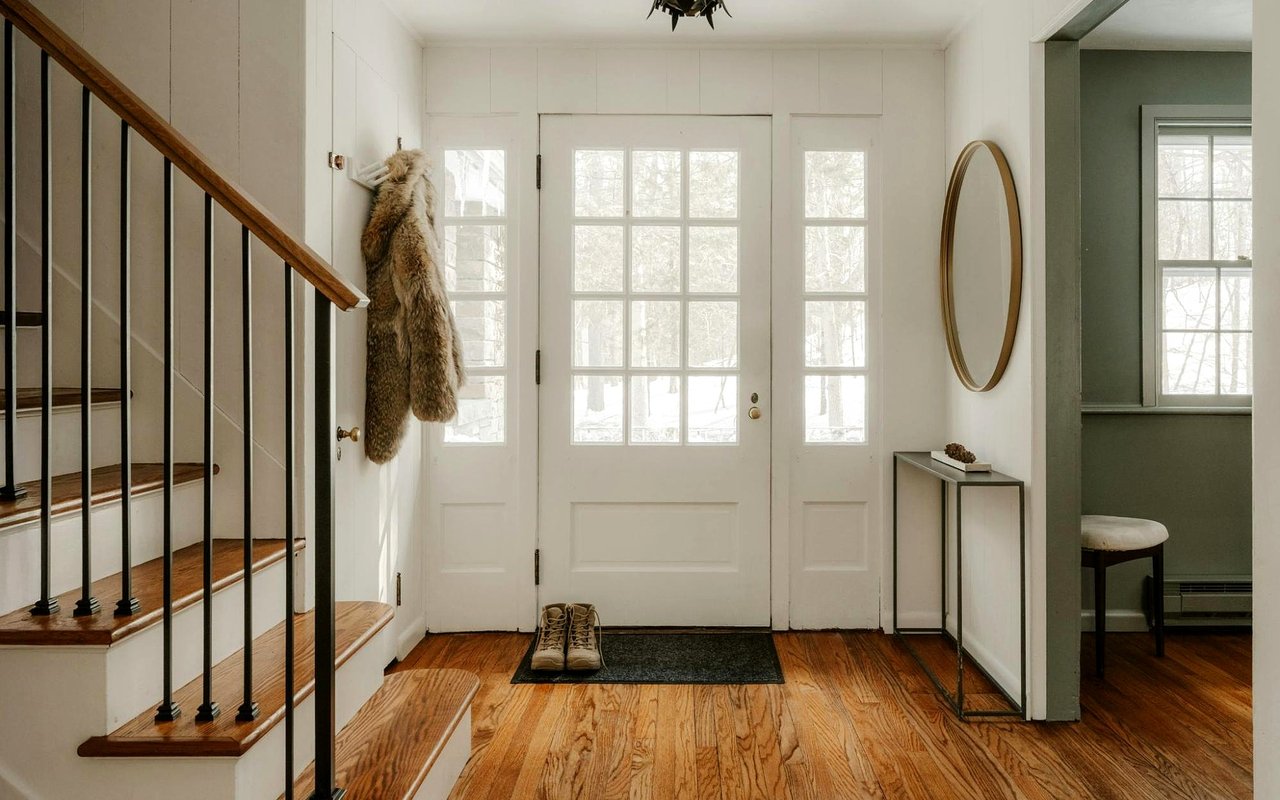
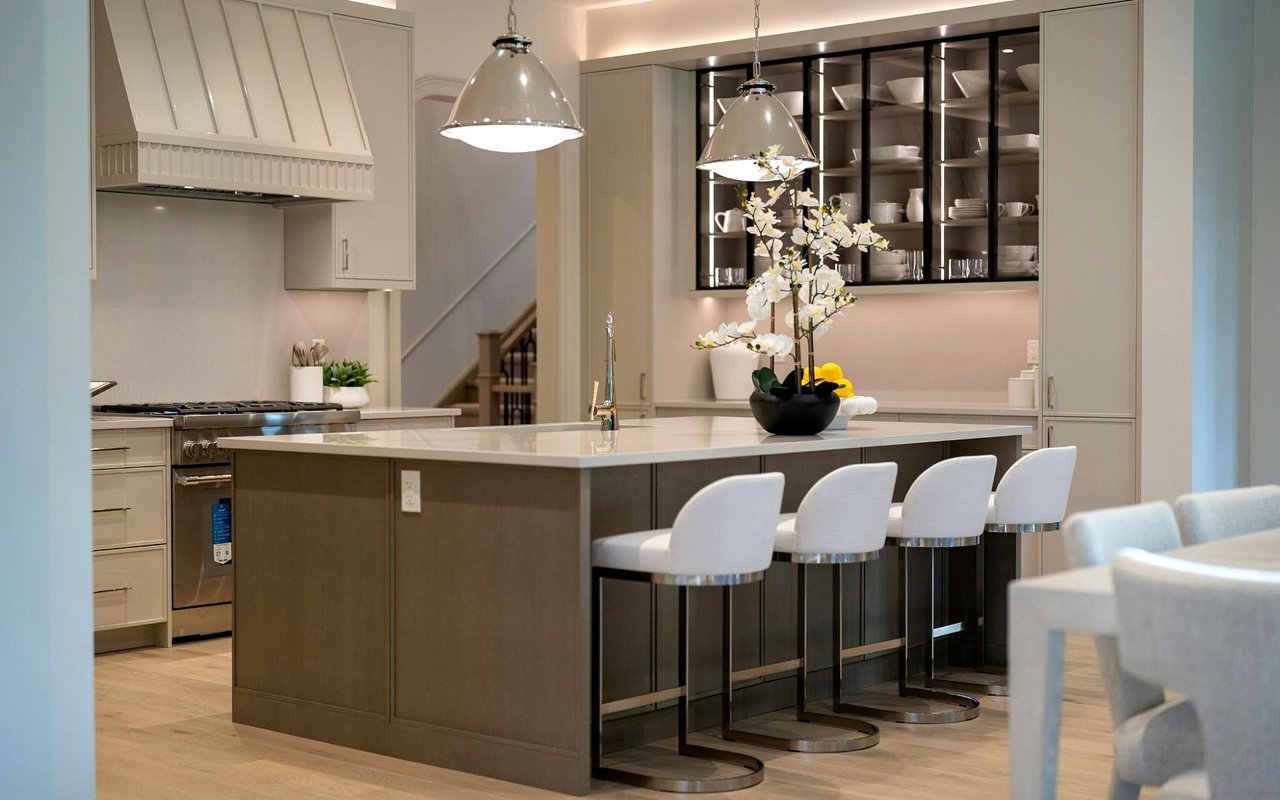
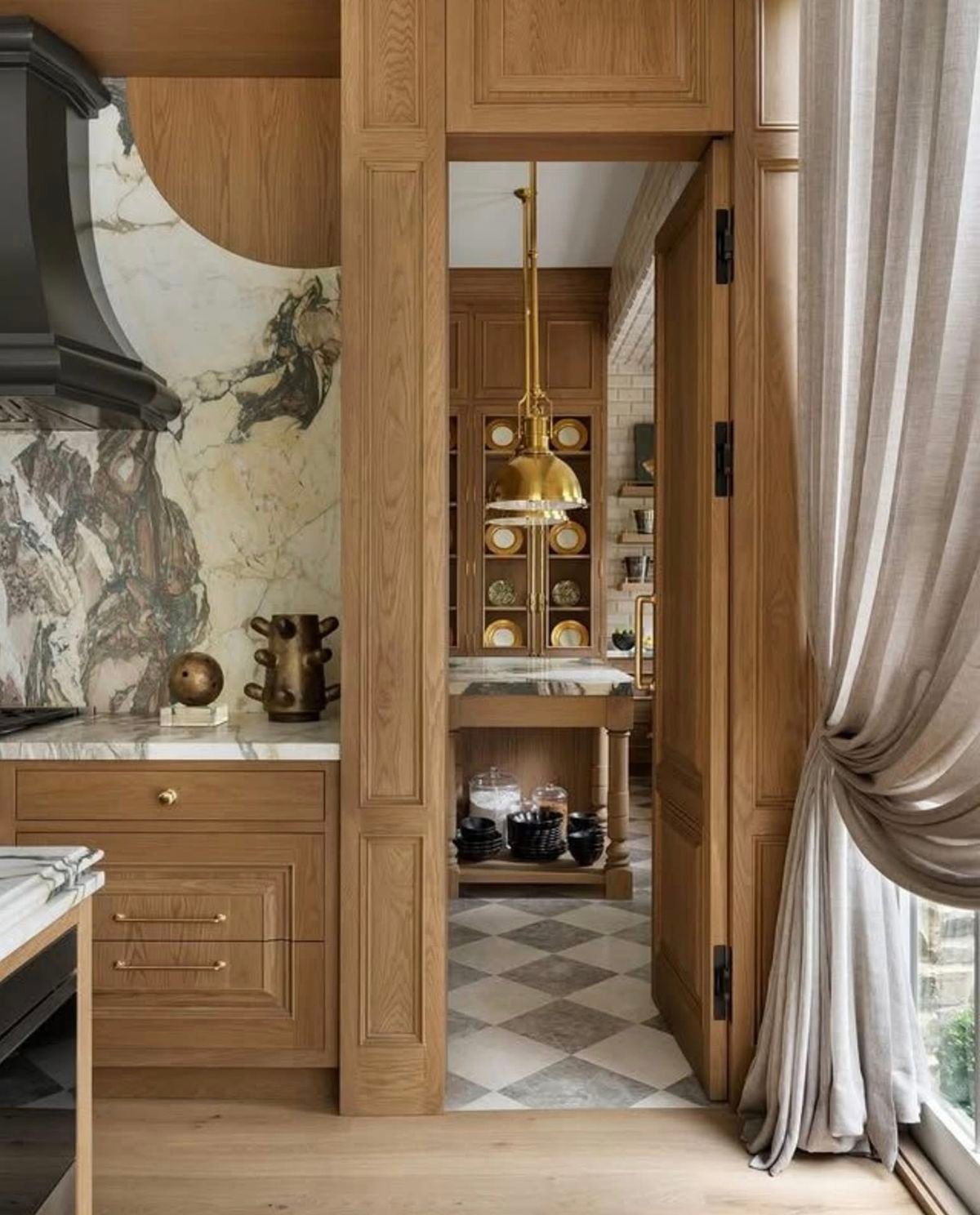
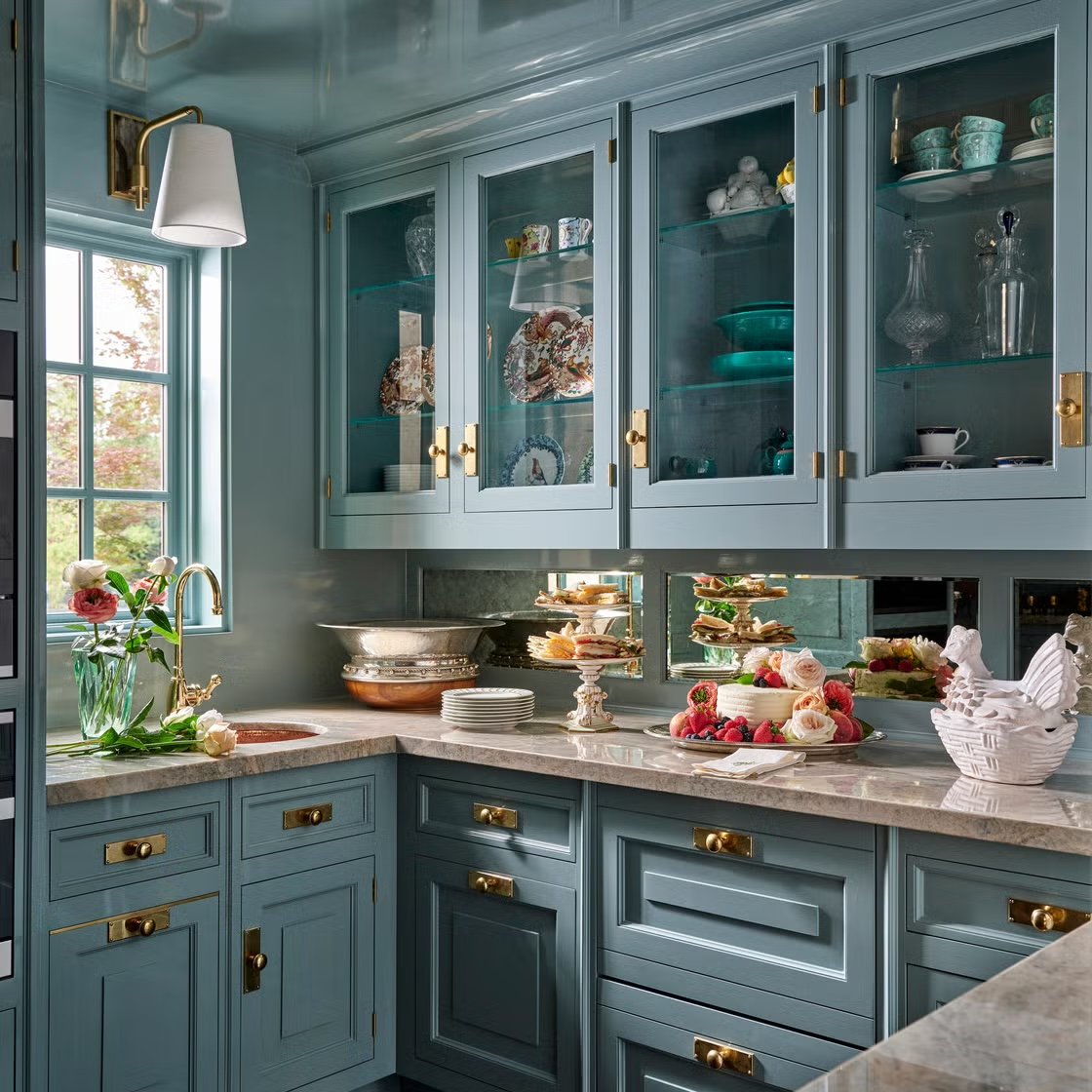
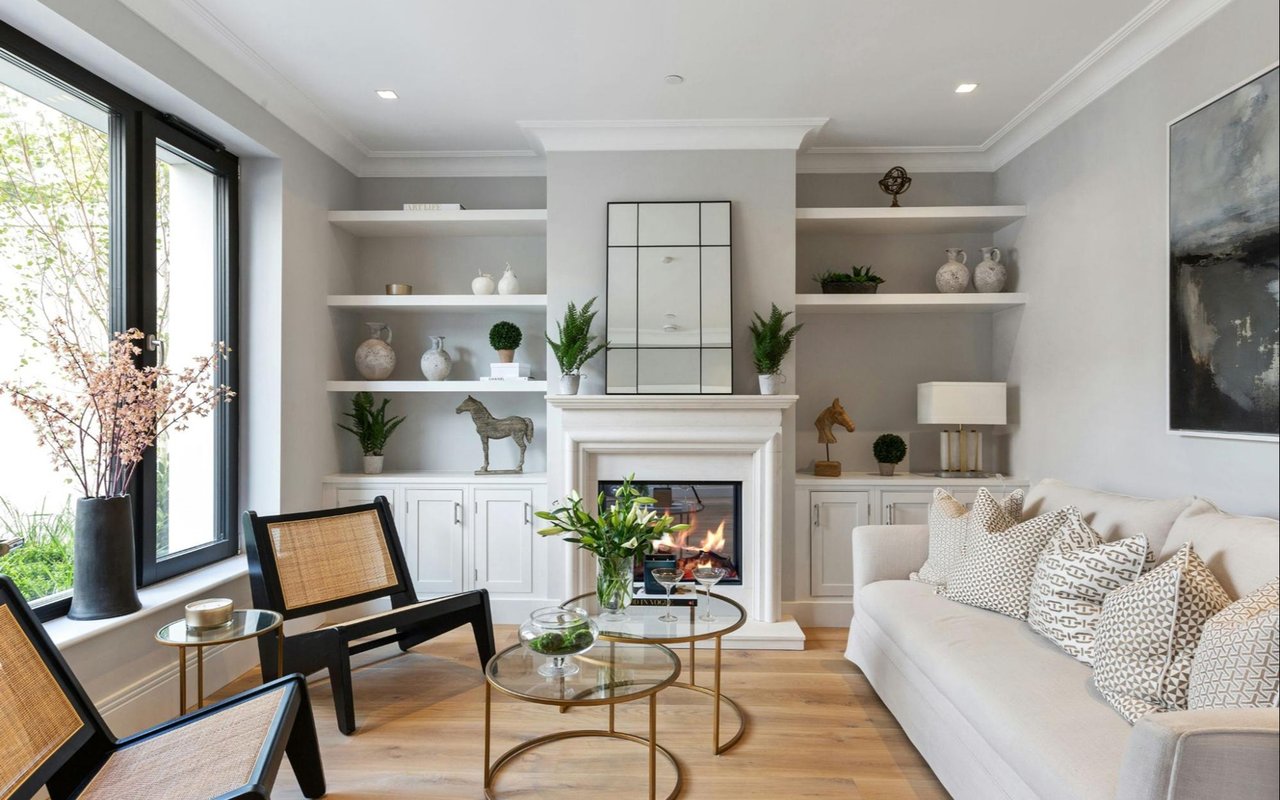
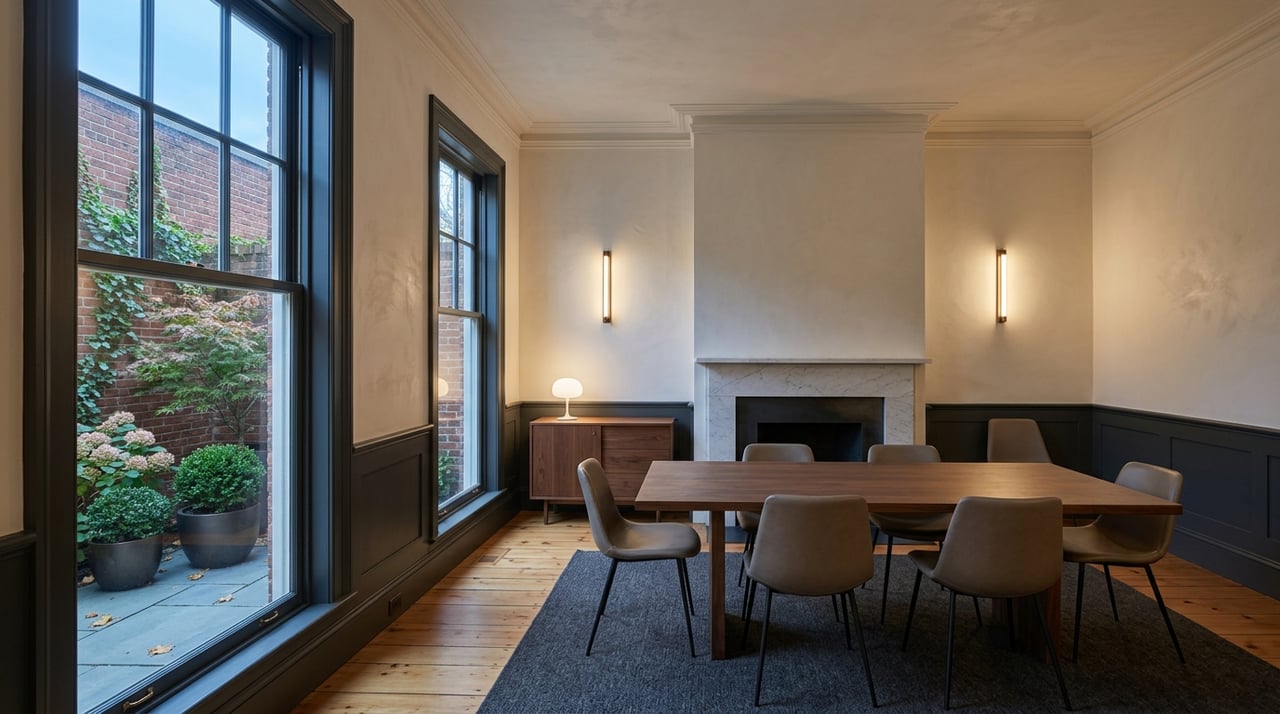
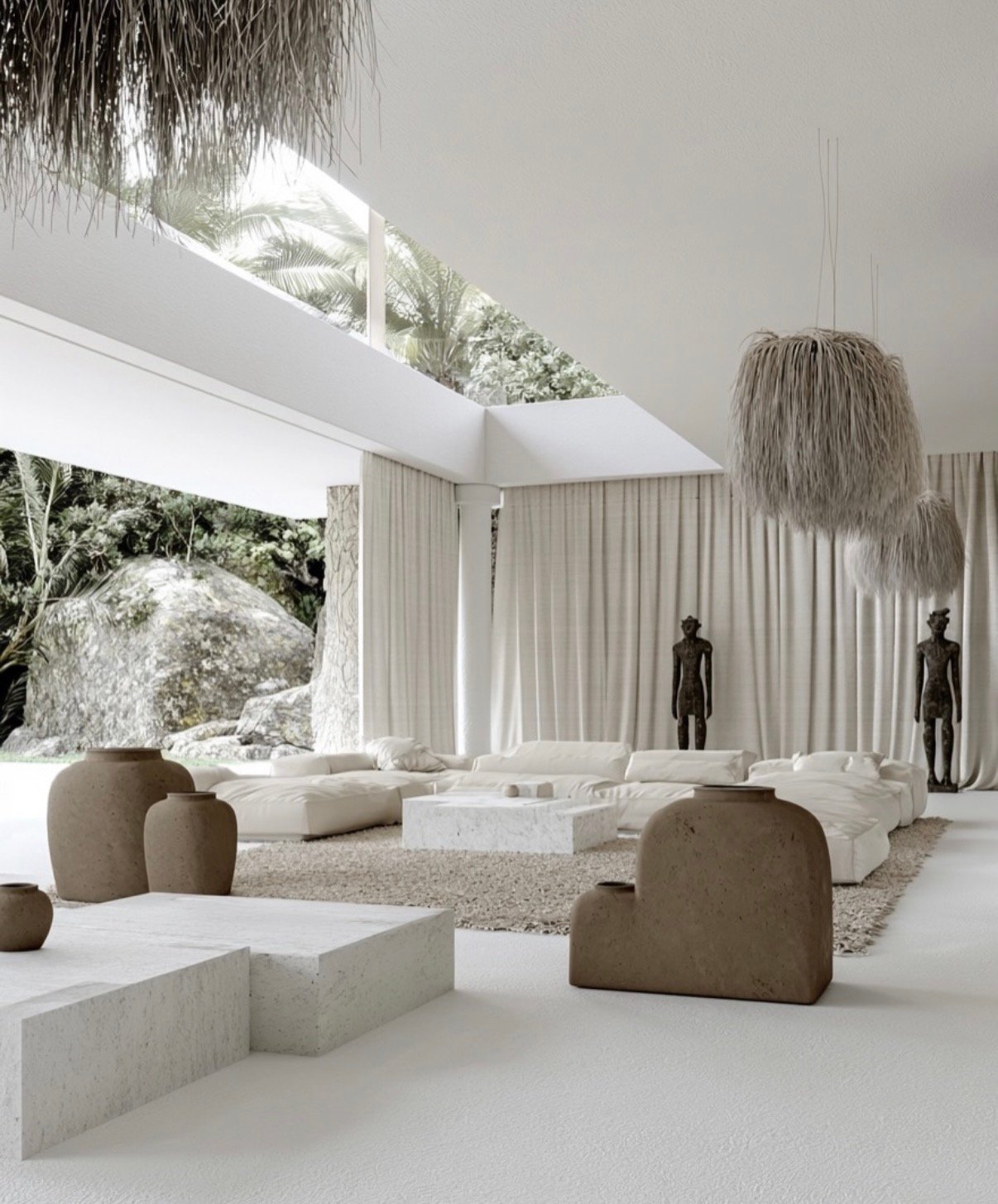
The most visible shift is in color. Cool grays and stark whites — long the default for luxury staging — are being replaced by warm, earthy tones. Think mushroom, sand, terracotta, sage, burgundy, and chocolate brown. These are colors that feel grounded, inviting, and deeply connected to nature.
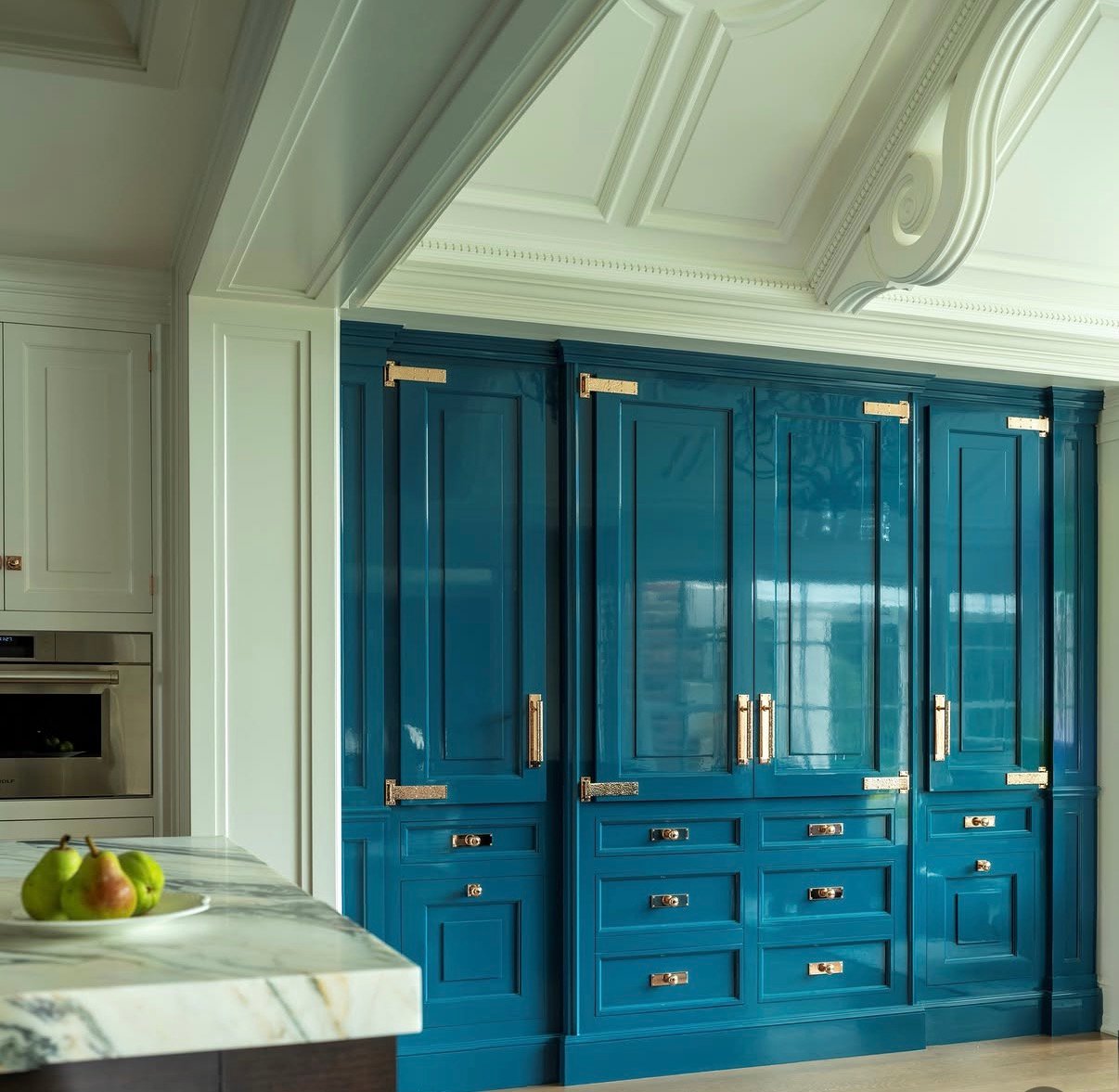
Perhaps the most striking data point: color drenching — painting walls, trim, and ceilings in a single hue — has seen mentions rise 179% on Zillow listings, according to Veranda's 2026 luxury housing trend report. The old rule of painting rooms a bland neutral before selling is fading. Bold, warmer colors are now expected.
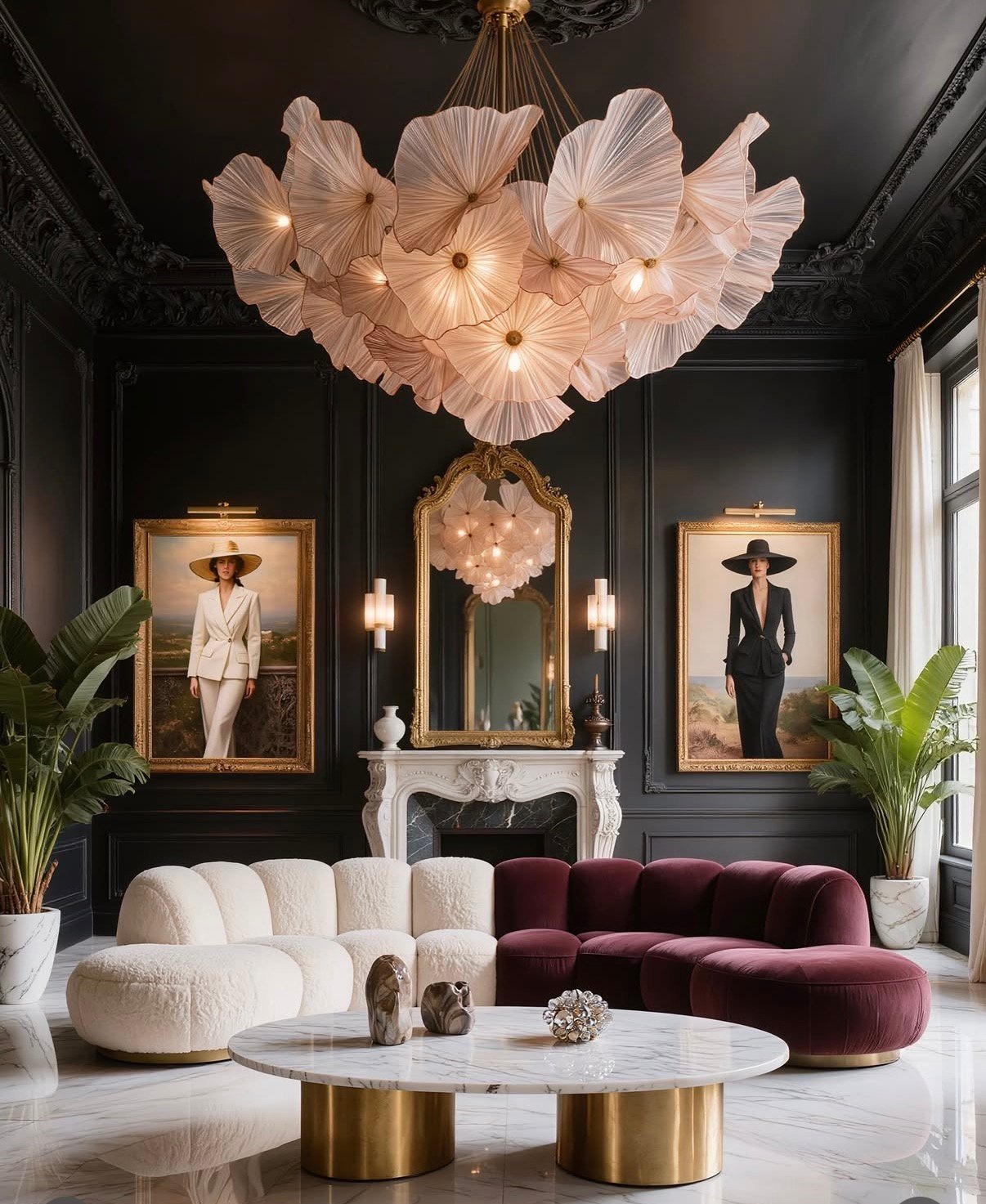
Maximalism is also returning, but not in the loud, cluttered way of the past. The American Society of Interior Designers (ASID) identifies it as a cultural shift toward "saturated color, bold individuality, and visible personality" in its 2026 Trends Outlook. Homes and Gardens calls the overall look "found luxury" — a thoughtful mix of quiet luxury and heritage maximalism.
What this means for your property: Warm neutrals photograph beautifully and feel current without alienating buyers. If you're staging, consider replacing cool gray walls with mushroom or sand tones. For bolder choices, use them in reversible layers — accent walls, throw pillows, and accessories that can be easily changed.
Wellness & Amenities: From Upgrade to Expectation
The most significant shift in luxury amenities is the rise of wellness-focused features. What was once considered a premium upgrade is now a baseline expectation in high-end homes.
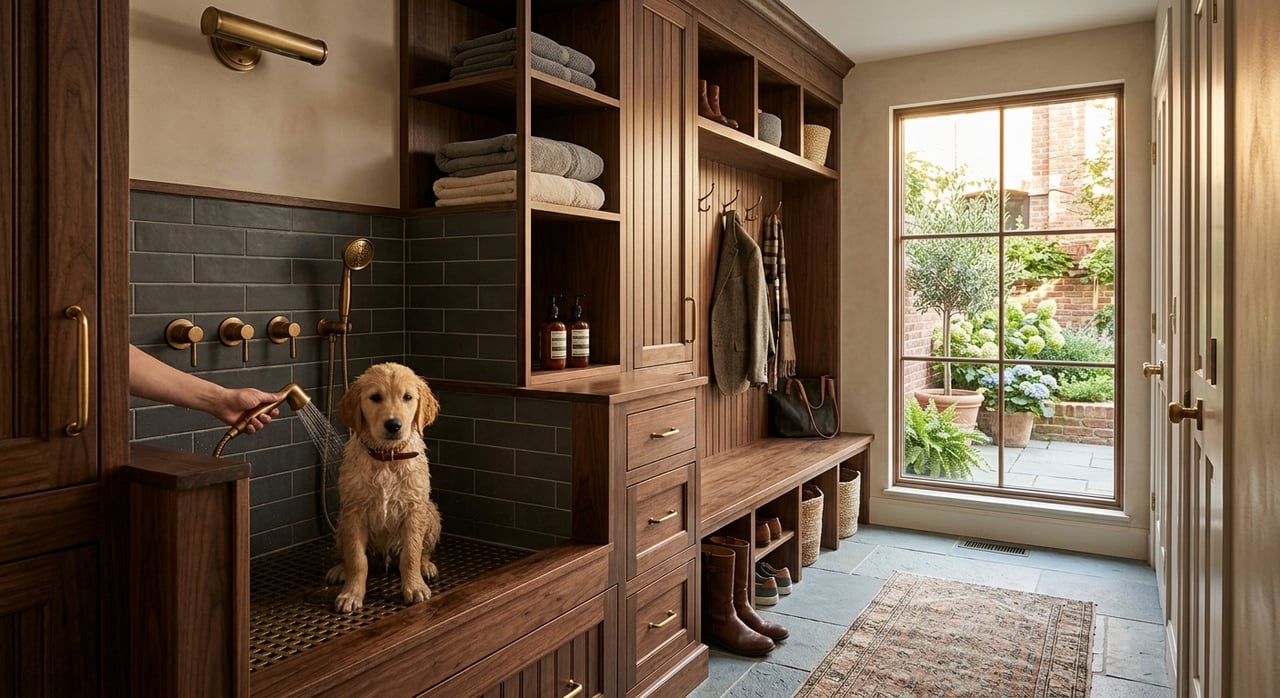
According to Engel & Völkers' luxury real estate trends report, private spa suites, fitness areas with cold plunge pools, and dedicated meditation rooms are increasingly becoming standard in the premium segment. Veranda reports that wellness feature mentions rose 33% on Zillow, while spa-inspired bathrooms are appearing 22% more often in listings.
The Global Wellness Institute has identified a new category entirely: "Longevity Residences" — homes specifically designed to support longer, healthier lives through preventive medicine, biohacking, and AI-enabled health tracking. Their 2026 wellness trends report describes how wellness is moving out of clinics and resorts and into the home.
The amenities leading this shift include:
Private gyms and meditation spaces
Saunas, steam rooms, and cold plunges
Red light therapy rooms and Pilates studios
Whole-home HEPA air filtration and water purification
Circadian rhythm lighting systems
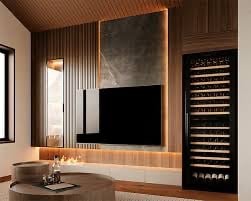
Notably, buyers are also moving away from purely decorative features. Grand foyers, large wine cellars, and formal dining rooms are losing appeal in favor of features homeowners will actually use day to day.
Materials & Craftsmanship: Texture Is the New Luxury
If there's one word that defines the material direction for 2026, it's texture. The National Kitchen & Bath Association (NKBA) identifies "texture as the new luxury" as a key trend in its 2026 Kitchen Trends Report.
The materials defining luxury interiors this year include:
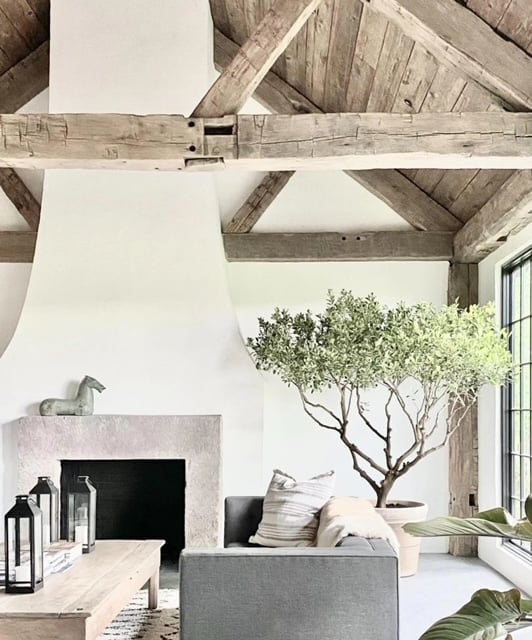
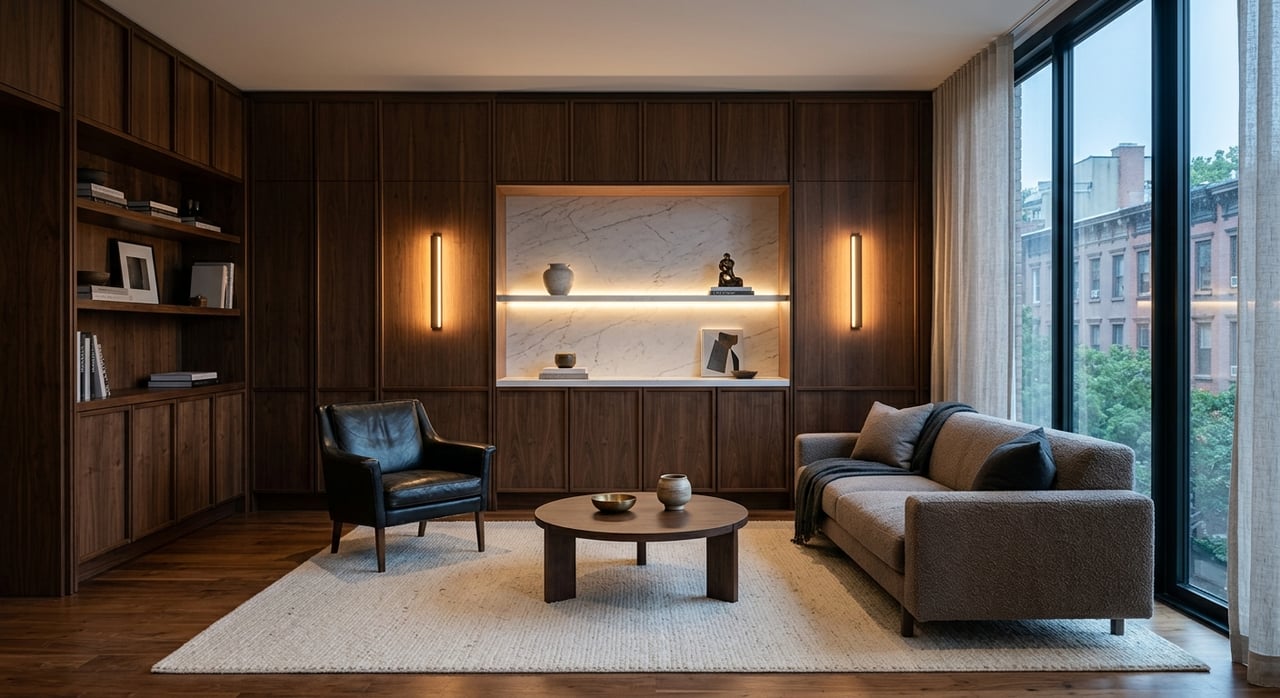
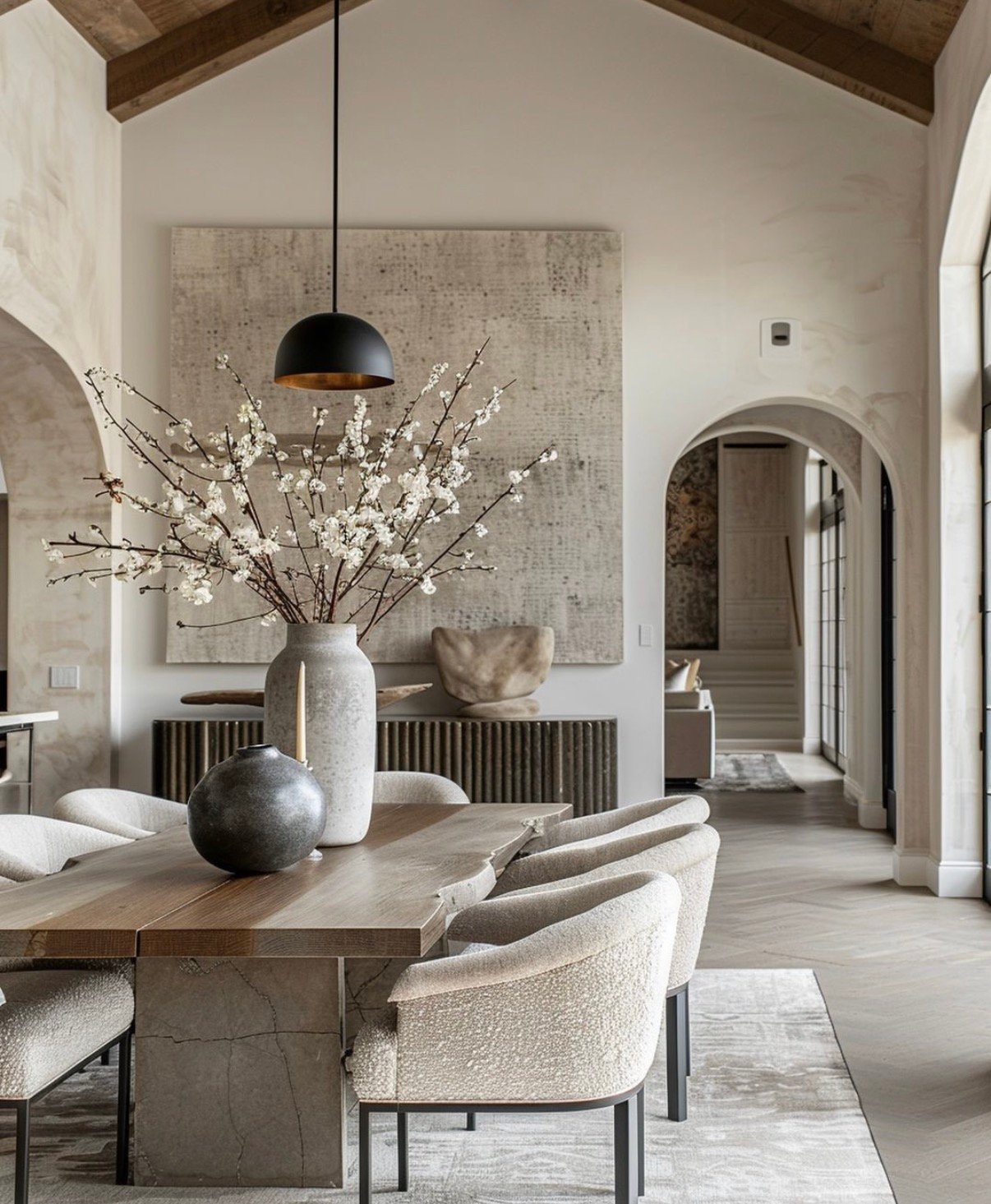
Plaster and limewash walls — adding depth and organic texture that flat paint cannot achieve
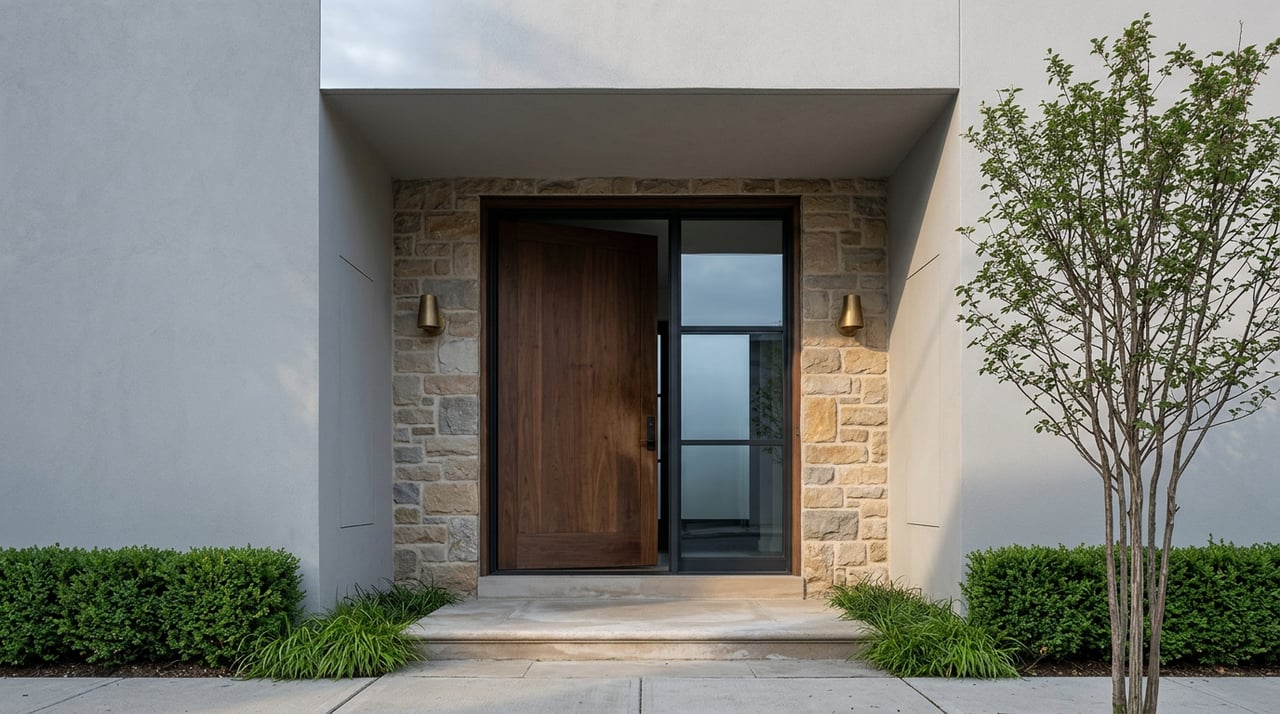
Statement veined stone — dramatic natural patterns as focal points in kitchens and baths Unlacquered, living brass — hardware that develops a natural patina over time Reeded and fluted millwork — adding rhythm and tactility to cabinetry and paneling
Passementerie and fringe — decorative trims, tassels, and cording making a resurgence on upholstery and drapery
Architectural Digest's AD PRO 2026 forecast notes that clients are becoming bolder and more engaged in the design process, seeking artisan-level craftsmanship and tactile, collectible interiors. Milan Design Week 2026 confirmed the direction, with Wallpaper highlighting lacquer infiltrating soft furnishings, sculptural tables, and maximalist wallcoverings.
What this means for your property: If you're renovating a kitchen or bath, invest in materials with tactile presence. A limewash wall treatment or a statement stone countertop will resonate with today's buyers far more than another slab of white quartz.
Technology: Invisible, Intelligent, Essential
Smart home technology has evolved from a novelty to a necessity — but the key word is "invisible." Today's luxury buyers want systems that enhance their daily lives without disrupting the design.
Lutron's 2026 Luxury Residential Trend Report reveals striking data: 66% of affluent homeowners want interiors to reflect their lifestyle, 50% emphasize ambience, and 44% connect lighting to wellness. Among designers and architects, 94% say clients consider lighting highly important, and 47% warn that poor lighting can actually devalue high-end finishes.
The technology features now expected in premium homes include:
Layered, tunable lighting that shifts with mood and time of day
Motorized shades — now considered an expectation rather than a luxury, with 56% of designers incorporating them
Circadian rhythm lighting that follows the body's natural daily cycles
High-precision air-quality sensors and automated climate systems
App-based controls integrated unobtrusively into the interior
Engel & Völkers notes that wireless smart-home retrofitting is one of the most effective value adding renovation measures for older luxury properties — meaning even historic homes in New Hope and Bucks County can be upgraded without major structural intervention.
Sustainability: Climate Resilience as Luxury
Sustainability is no longer a niche concern. It has become a defining feature of modern luxury construction, with affluent buyers increasingly prioritizing energy independence and climate resilience.
According to Luxury Travel Magazine, the U.S. Green Building Council and the National Association of Home Builders both report rising demand for high-performance building envelopes, advanced water filtration, backup battery systems, and energy-efficient infrastructure.
Key sustainability features in luxury homes include:
High-performance building envelopes with superior insulation and high-efficiency windows
Carbon-neutral materials such as mass timber and recycled composites Reclaimed wood and organic textiles in interior finishes
Backup battery systems for energy independence
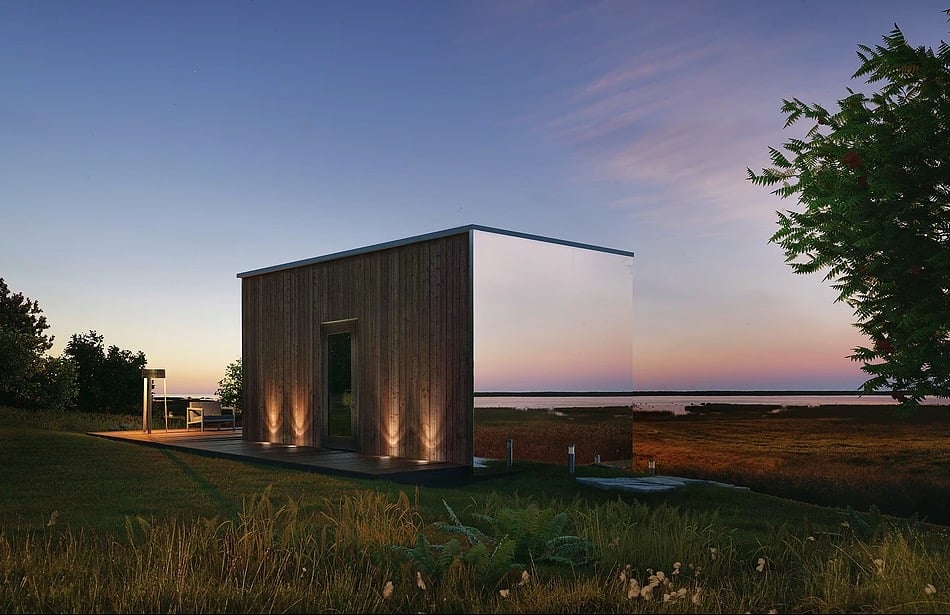
Climate-responsive architecture designed for resilience
The ASID 2026 Trends Outlook also highlights a growing tension between smart technology and energy consumption — pushing designers to build energy literacy into their work and anticipate future demand.
Architecture & Layout: Flexible, Connected, Personal
Floor plans are evolving to reflect how people actually live. Flexible, multigenerational layouts that accommodate home offices, entertainment, and multiple life stages are increasingly in demand.
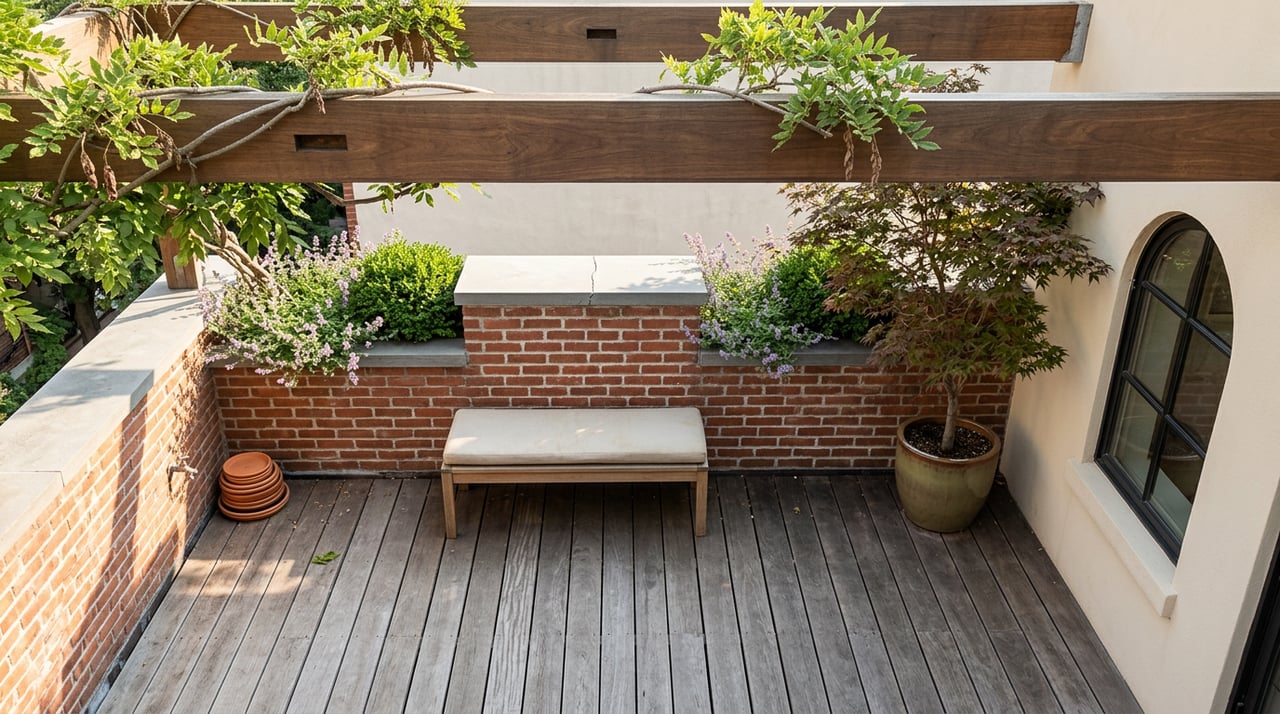
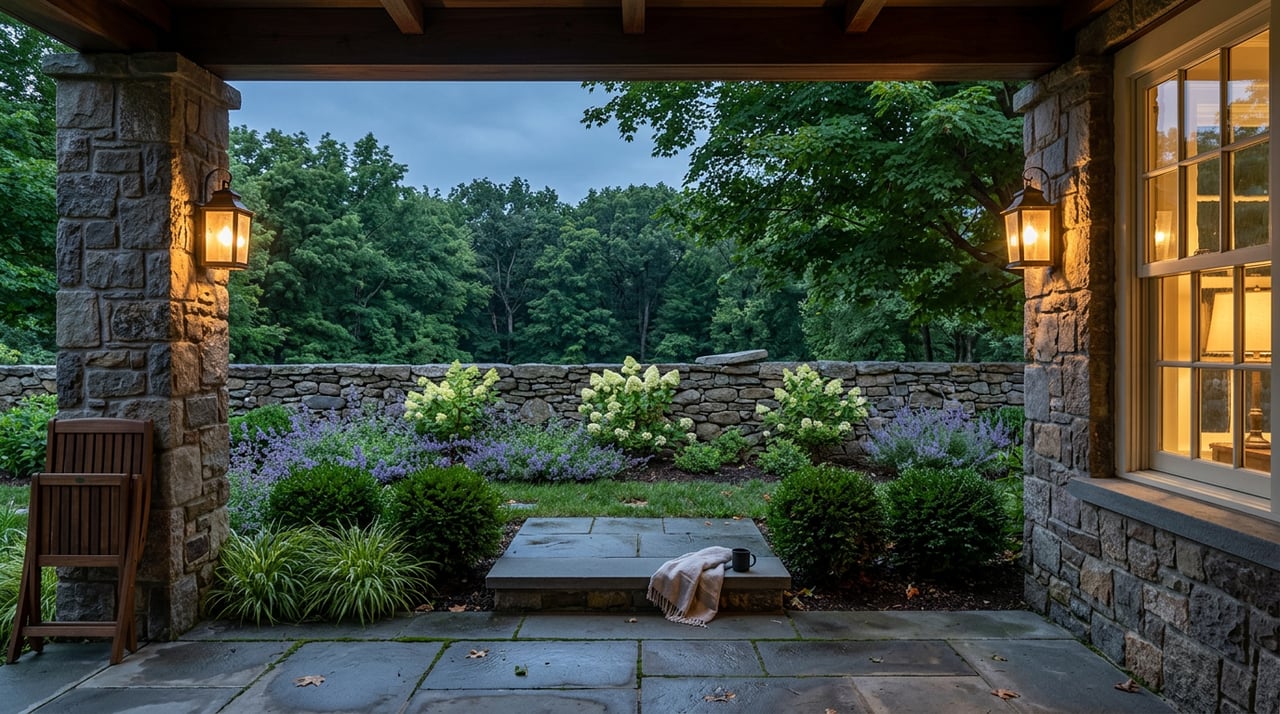
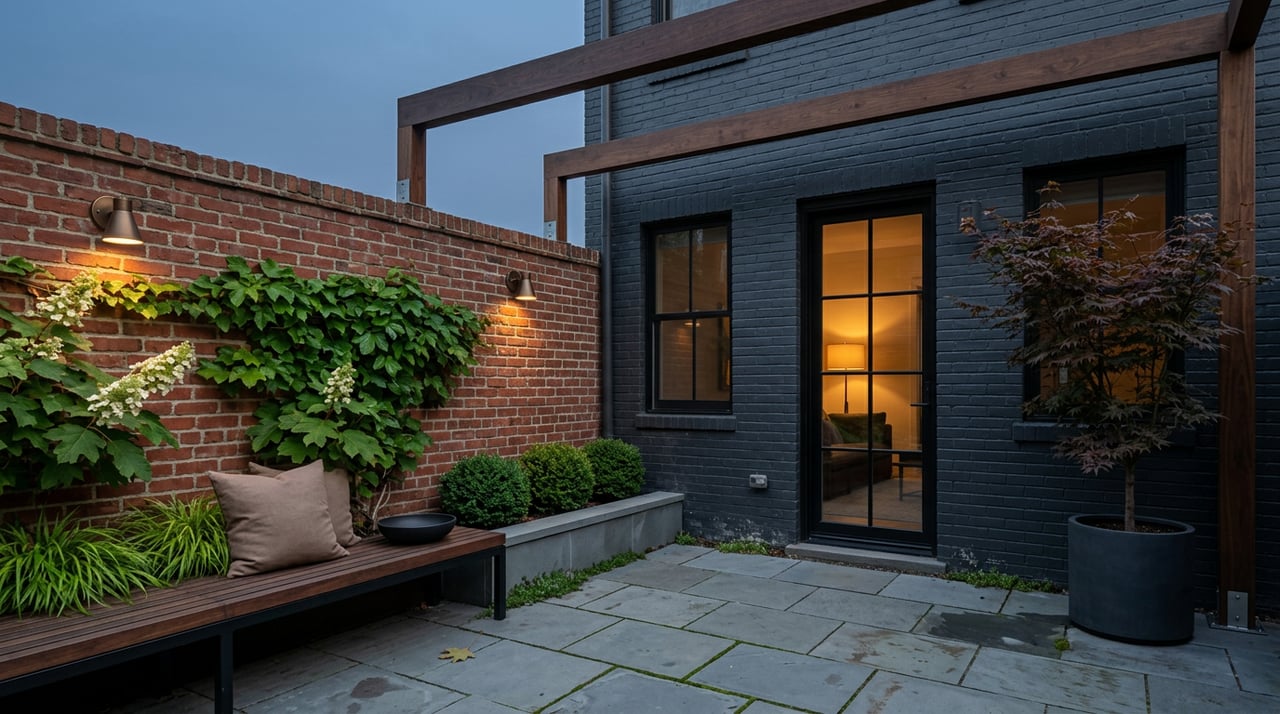
Engel & Völkers describes the shift toward "multifunctional sanctuaries" — homes designed as private sanctuaries offering freedom and well-being. Key architectural trends include seamless indoor-outdoor transitions, with 40% of residential architecture firms reporting growing demand for outdoor kitchens, covered patios, and glass-wall systems, according to an AIA survey cited by Luxury Travel Magazine.
Branded residences — properties developed in cooperation with luxury hotel or design brands — are also a defining trend, transferring brand aesthetics and hotel-level service into private living. The convergence of residential development and hospitality is reshaping luxury real estate, as MAWD reports.
Looking Ahead: What's Emerging for 2027
The biggest emerging direction for 2027 is the maturation of Quiet Luxury into what trend forecasters are calling Neo-Deco Elegance — Art Deco geometry layered over the warmth and restraint that defined the past few years.
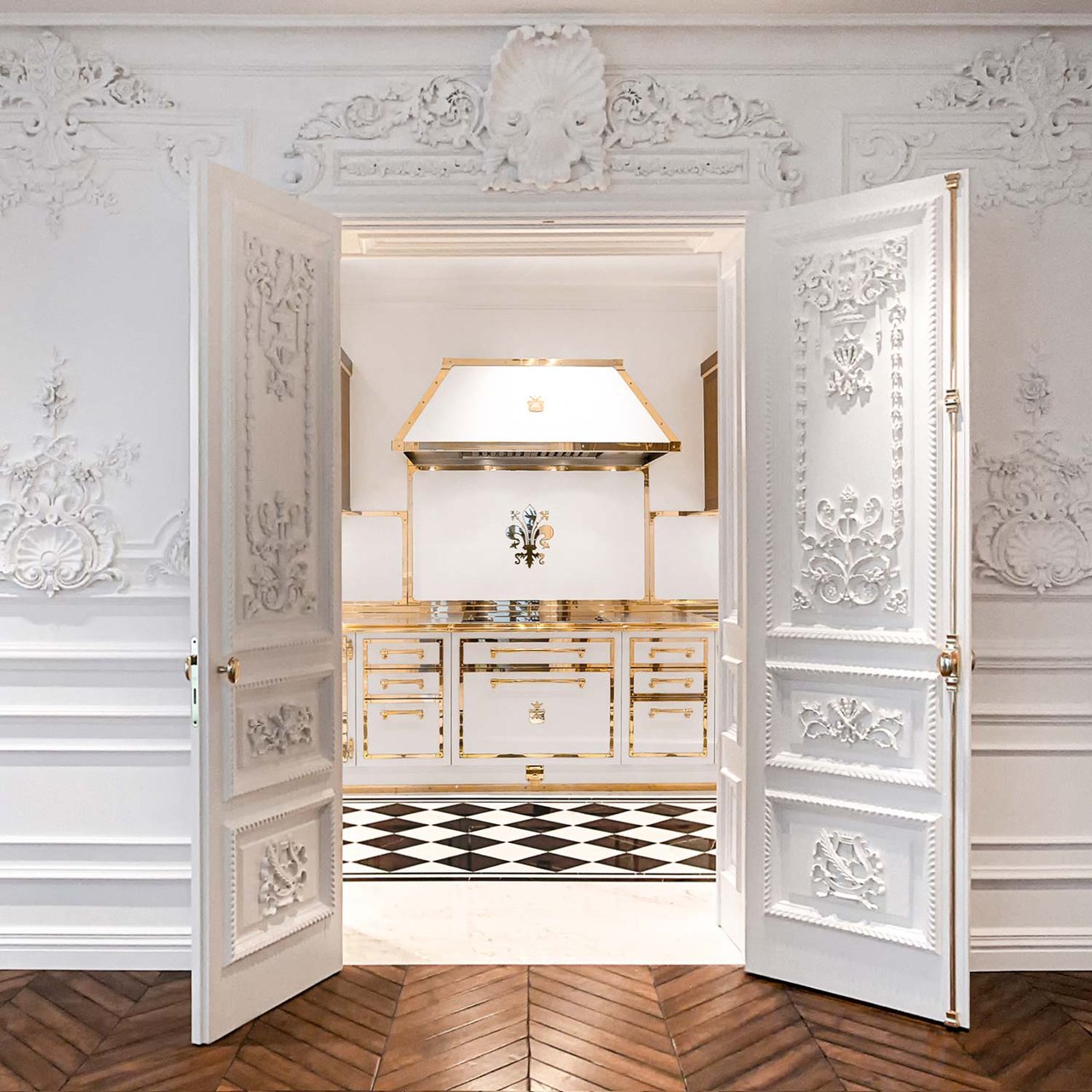
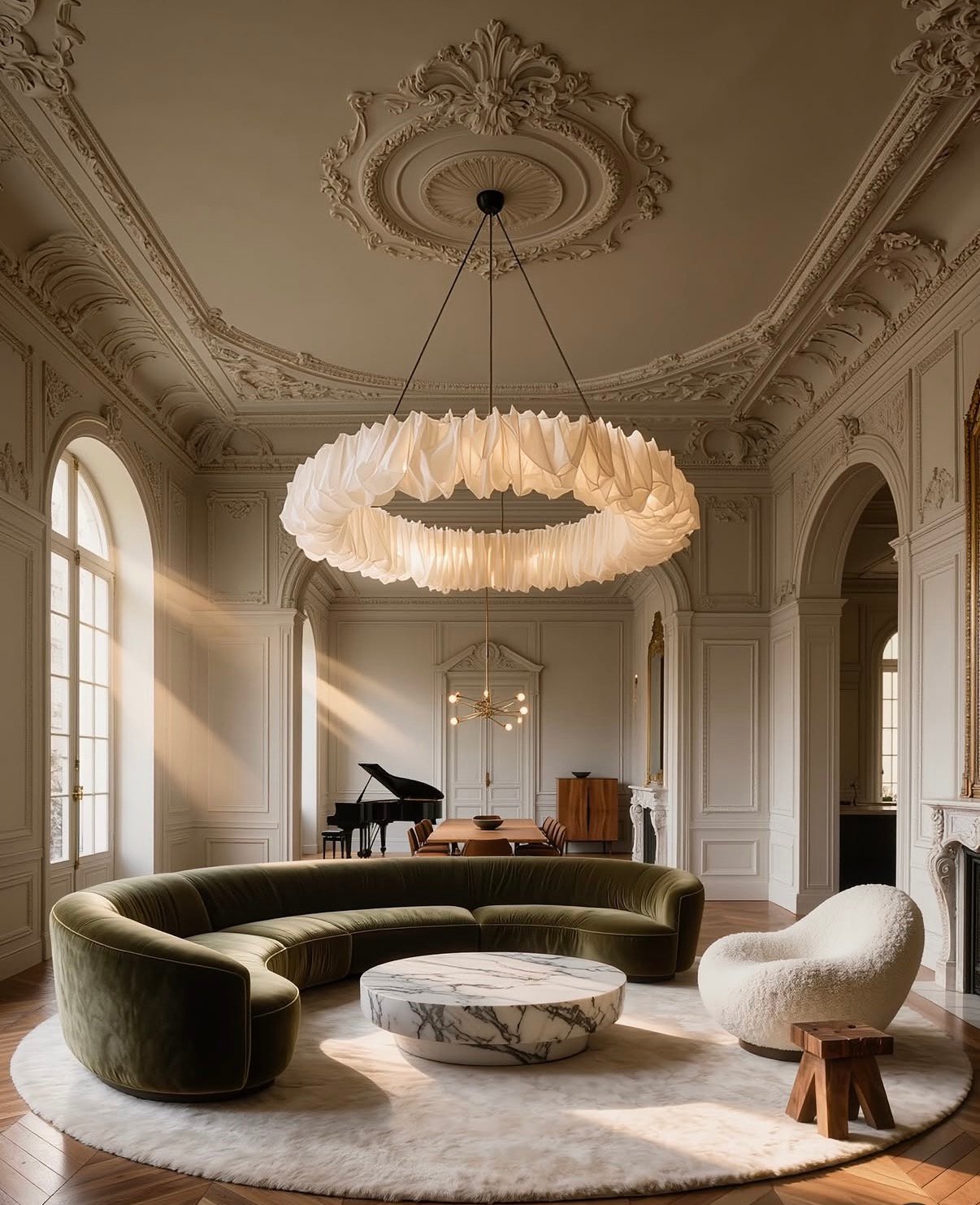
Think velvet paired with travertine, brass inlays with muted oak, zigzags and chevrons softened into elegant curves. It's been described as "Quiet Luxury, dressed for an evening soiree" — a direction that bridges timeless sophistication with renewed glamour.
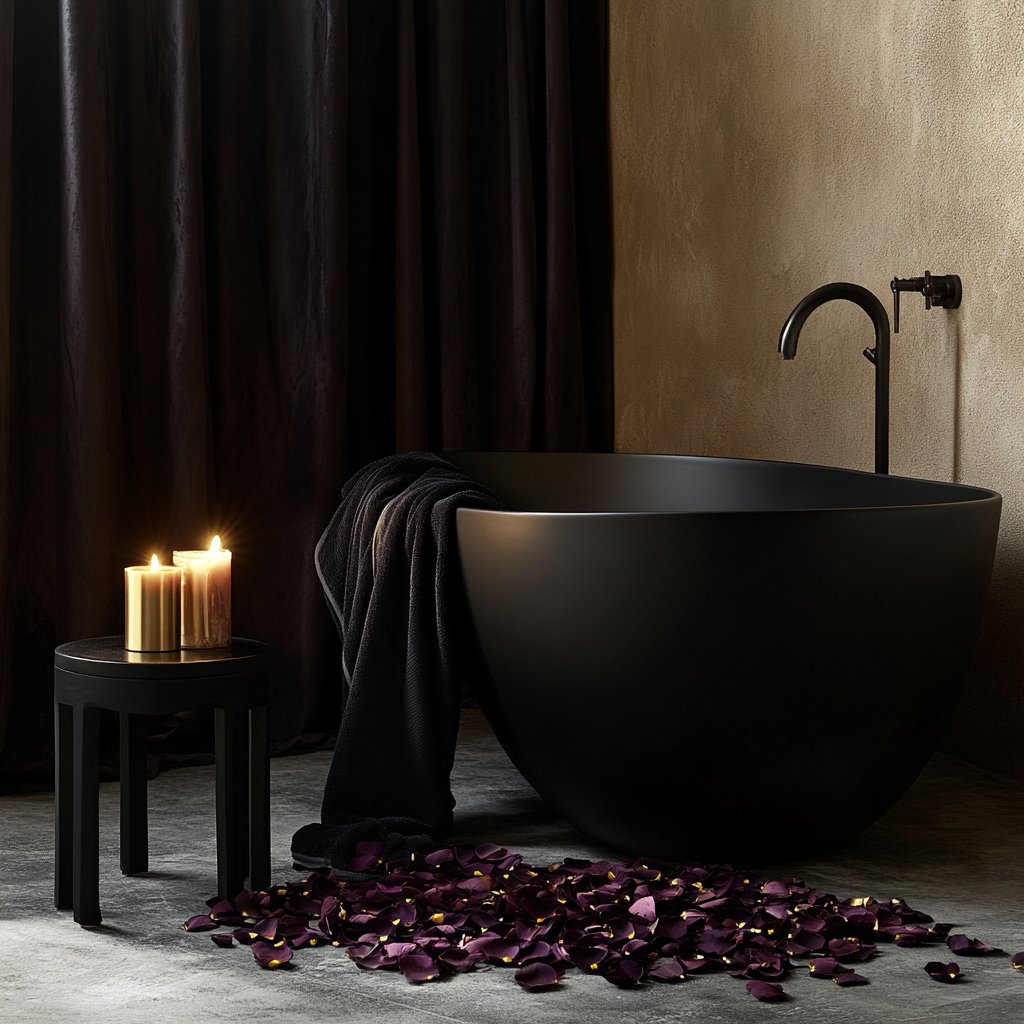
Veranda's 2027 color forecast points to richer, moodier, and slightly more adventurous palettes: deep burgundy, petrol blue, forest green, periwinkle, earthen orange, and mossy green. Familiar reds, yellows, and greens are being reinterpreted through natural pigments, flora, and minerals.
House Beautiful identifies furniture trends including therapy chaises, game tables for connection and less screen time, lacquered furniture, oversized "puffer" seating, and sculptural lighting as collectible art. Veranda's 2027 renovation forecast highlights the "anti-kitchen" (concealing hardworking functions behind furniture-style cabinetry), natural wood kitchens with visible grain, coffee and wellness bars, and the return of romance — shabby chic, floral chintz, and cozy intimacy.
The Bottom Line for Your Property
The luxury market is evolving. According to Realtor.com data cited by Veranda, the top 5% of the market now requires at least $2 million to enter in 2026 — up from $1.3 million in 2025. Buyer expectations are rising accordingly.
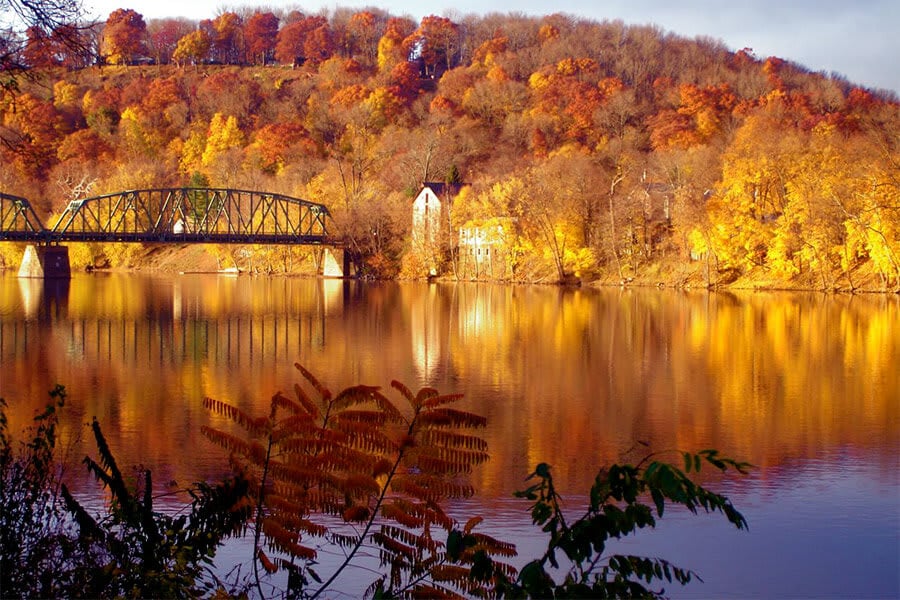
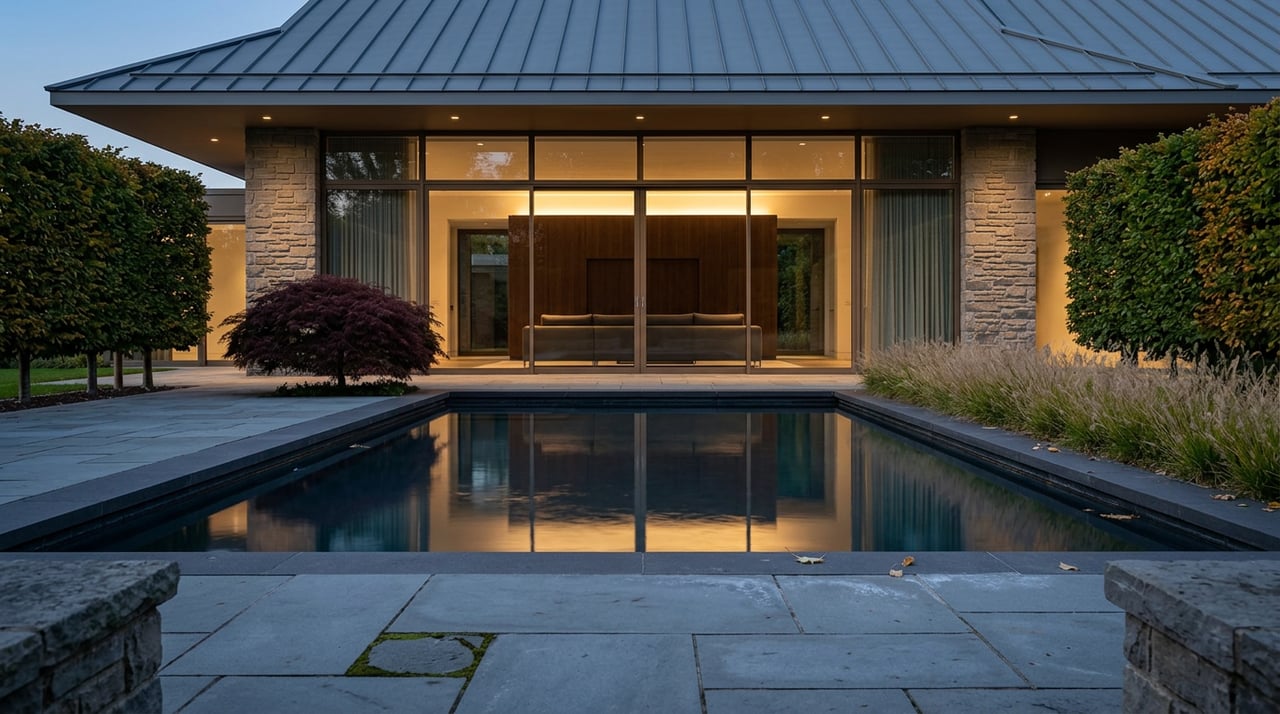
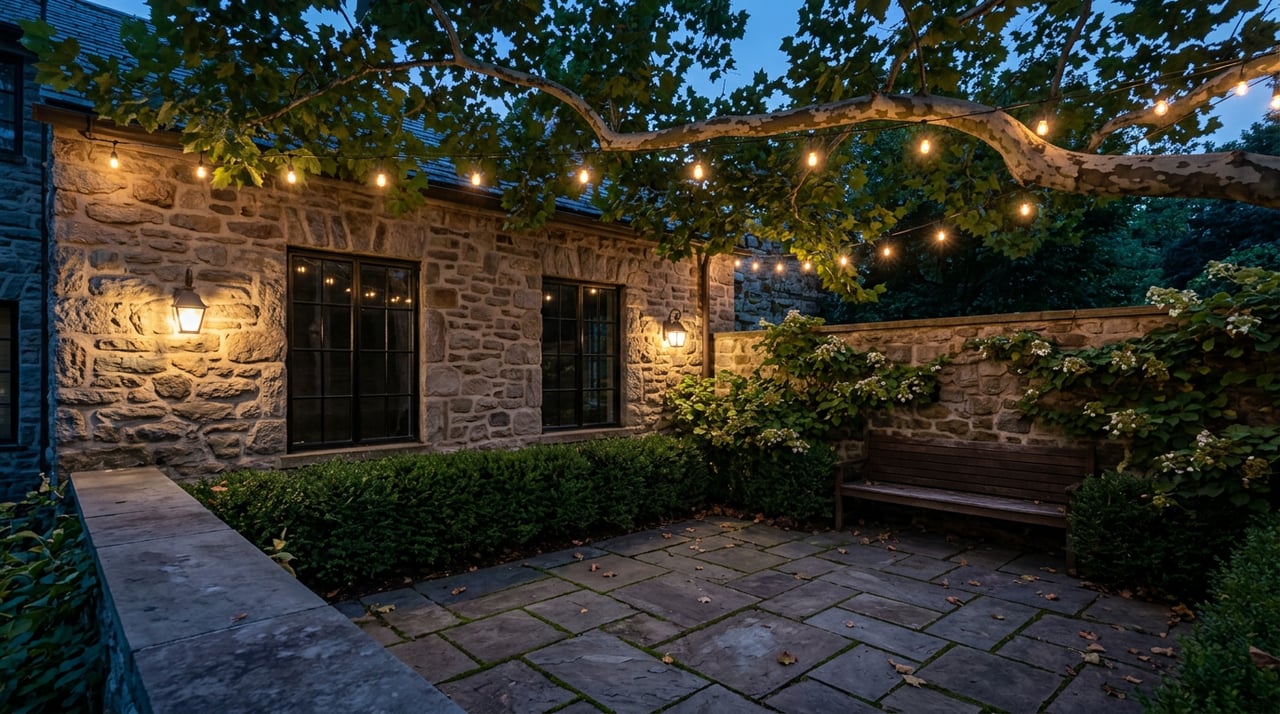
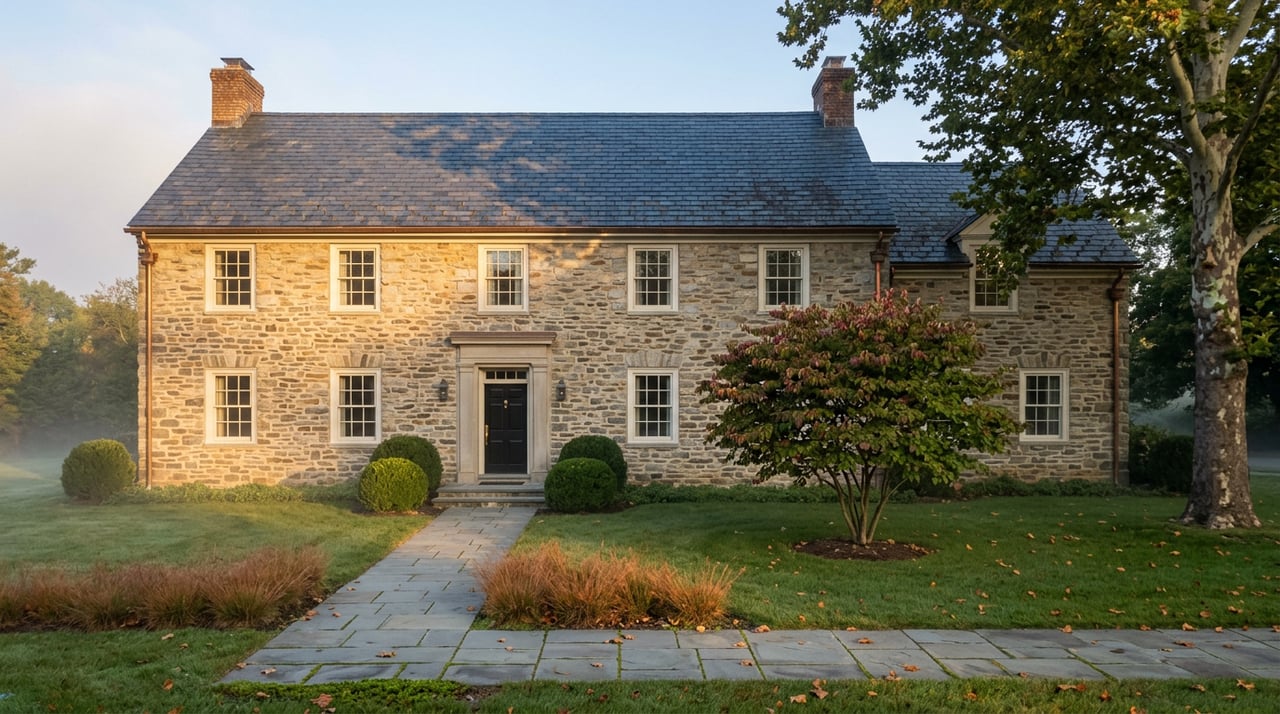
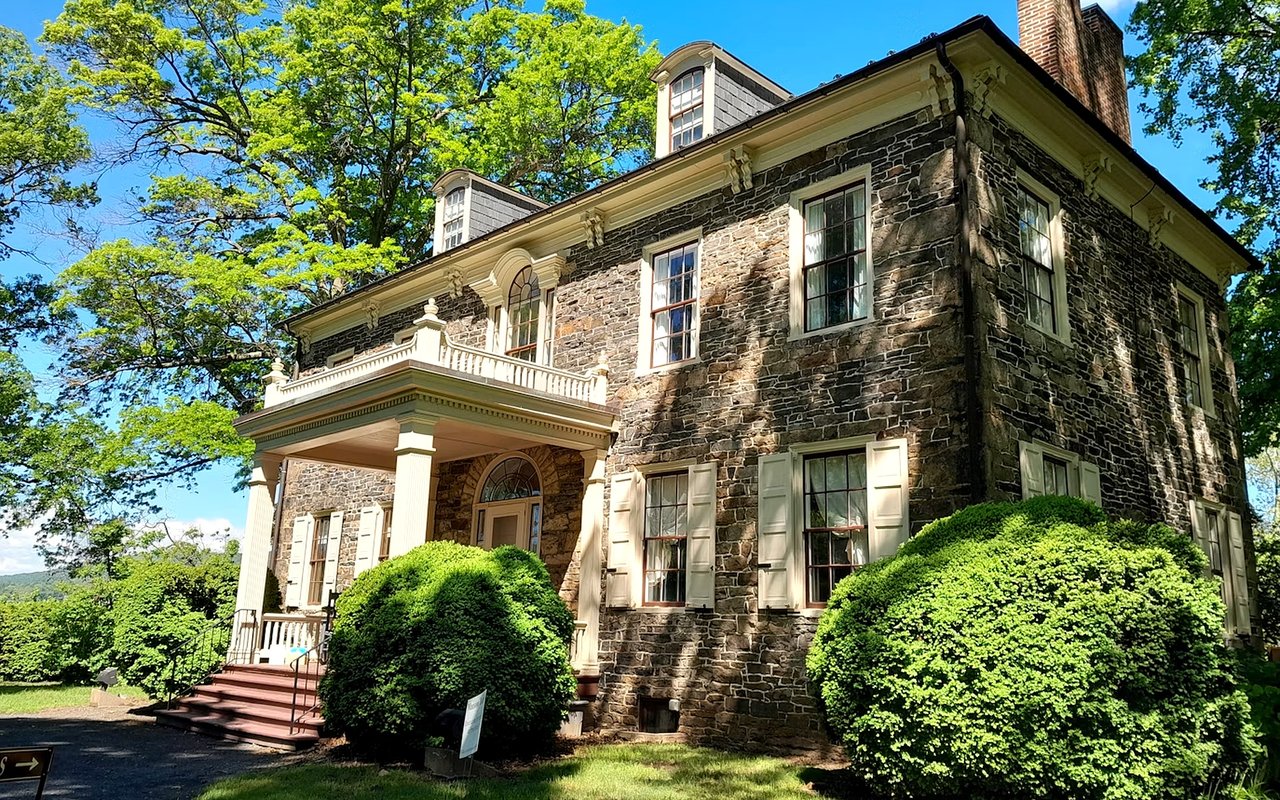
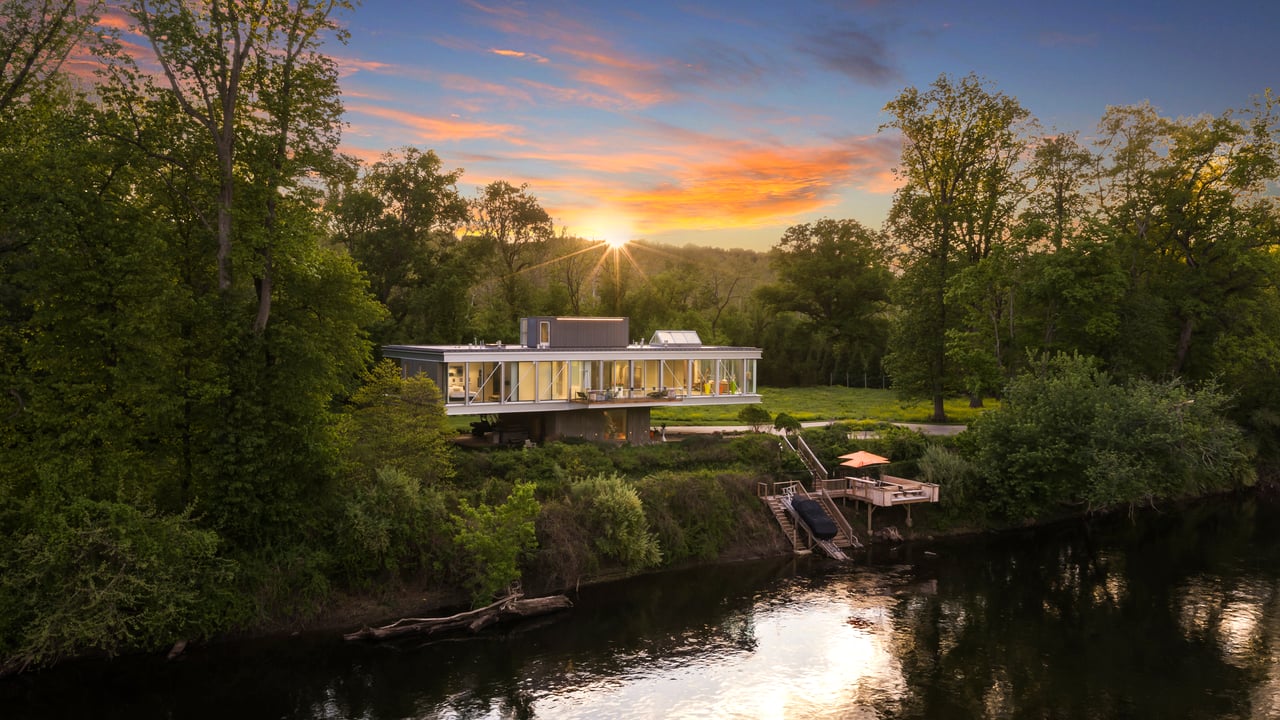
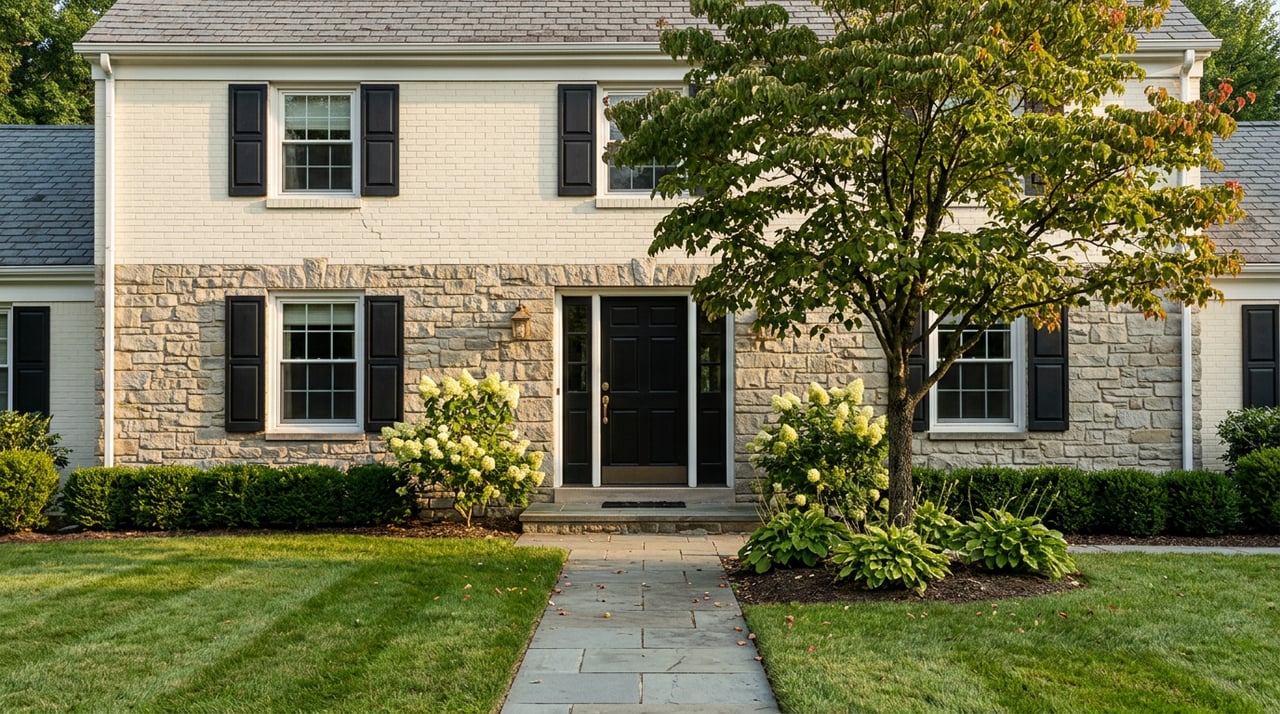
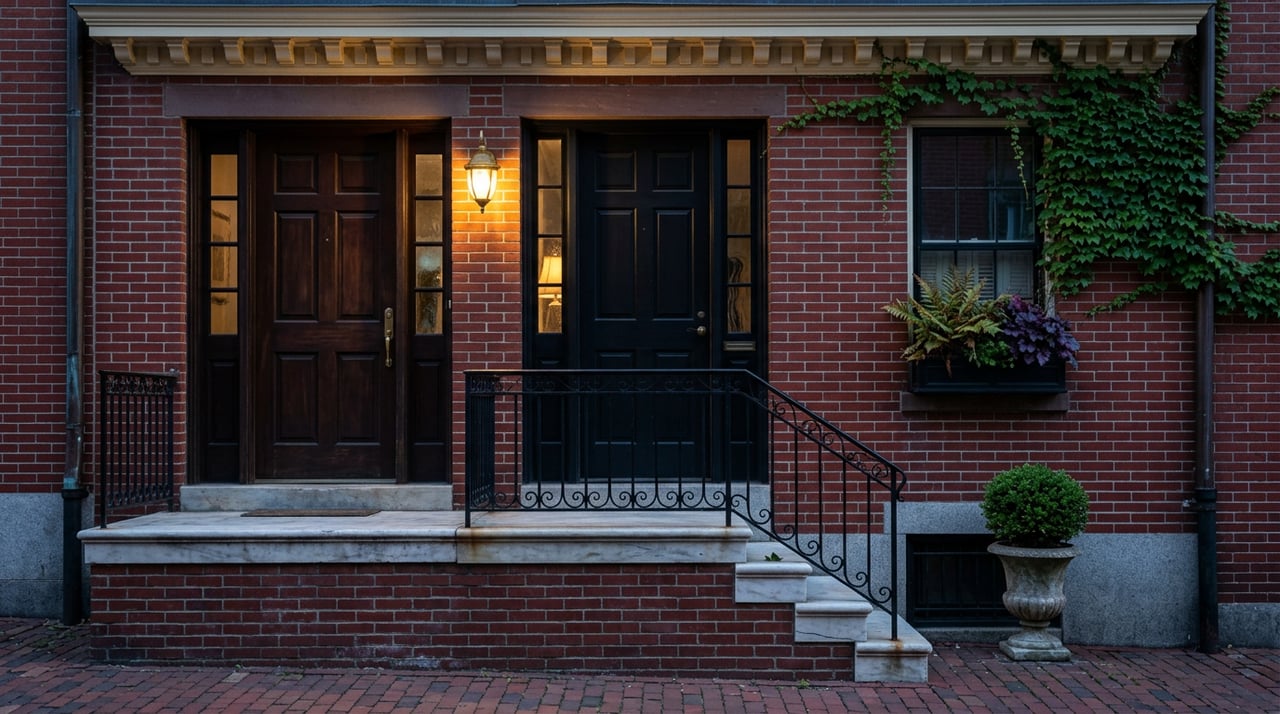
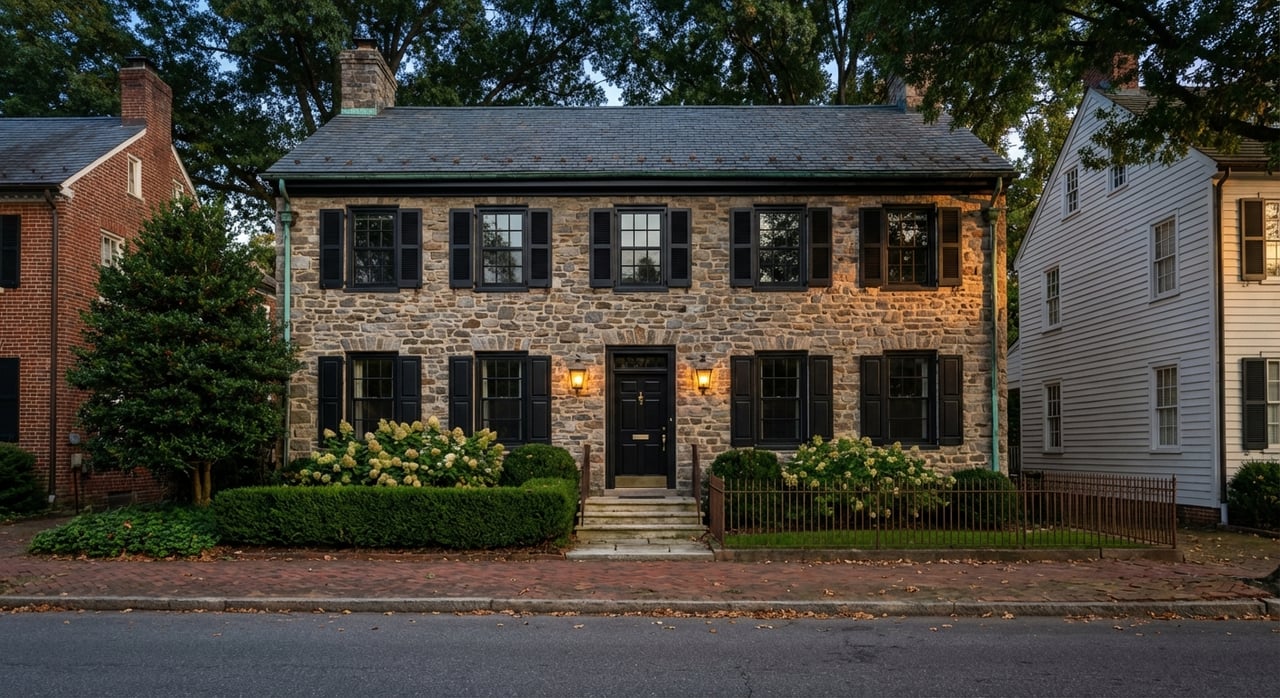
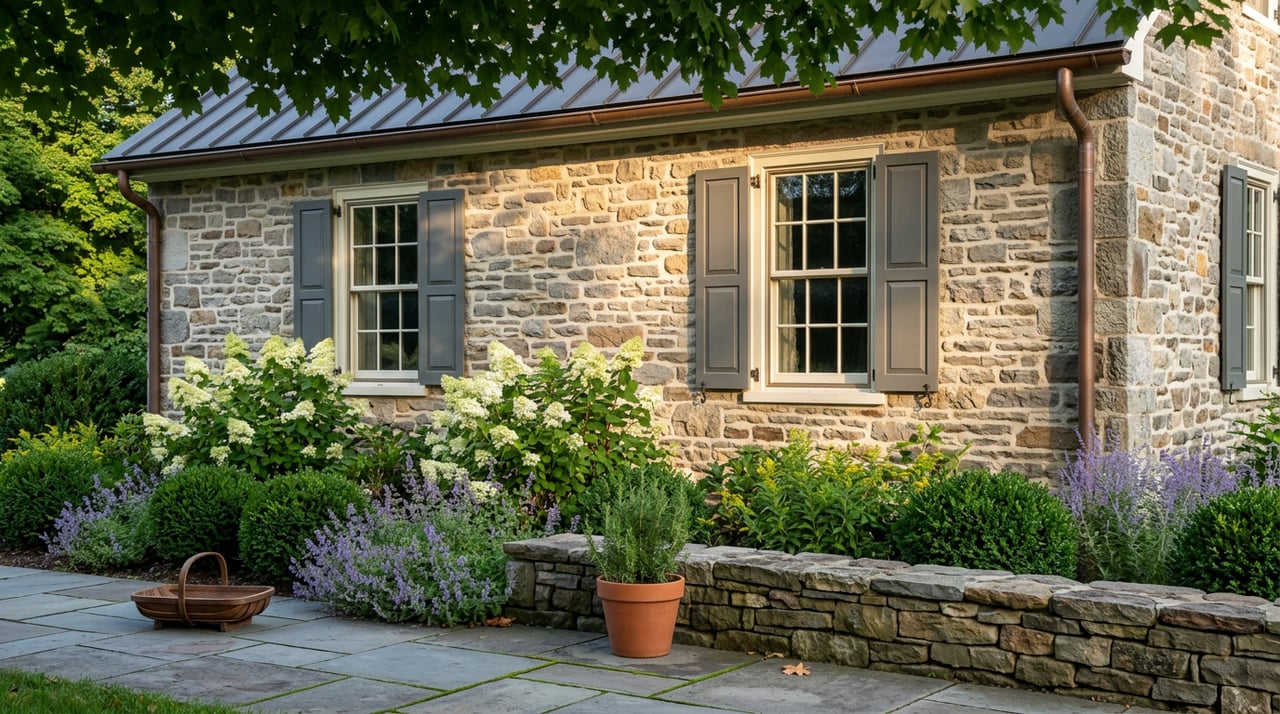
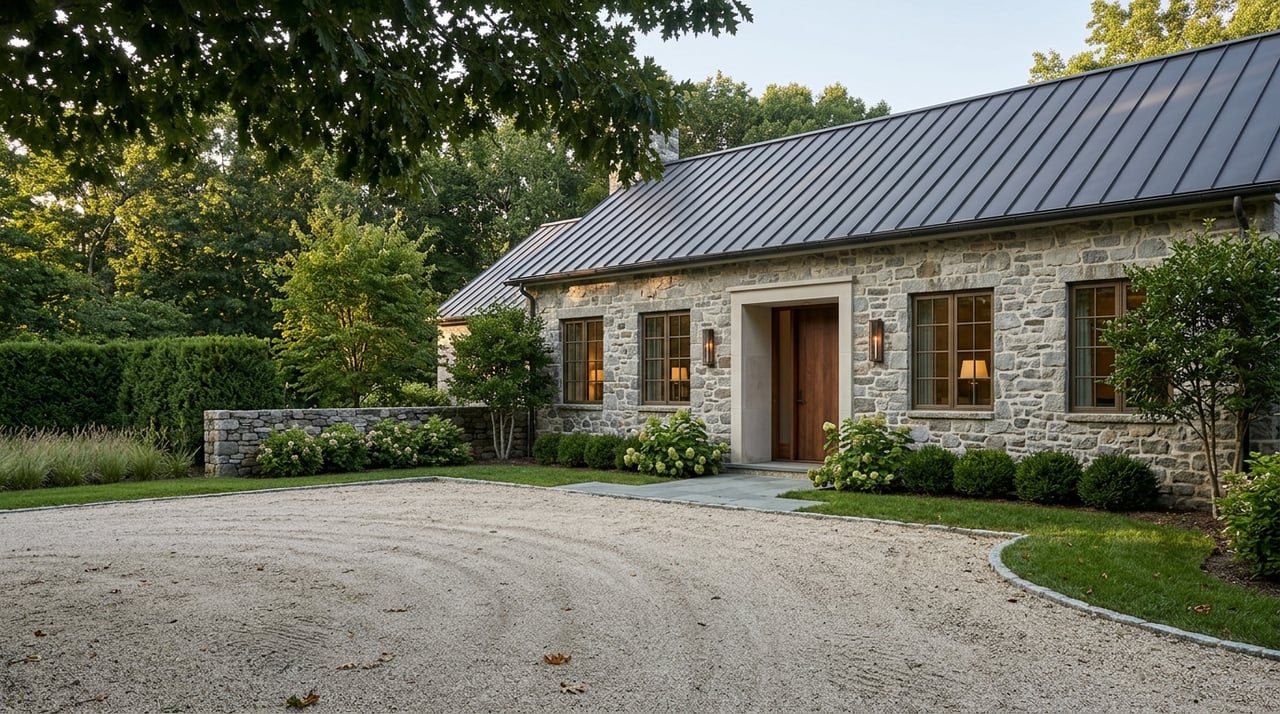
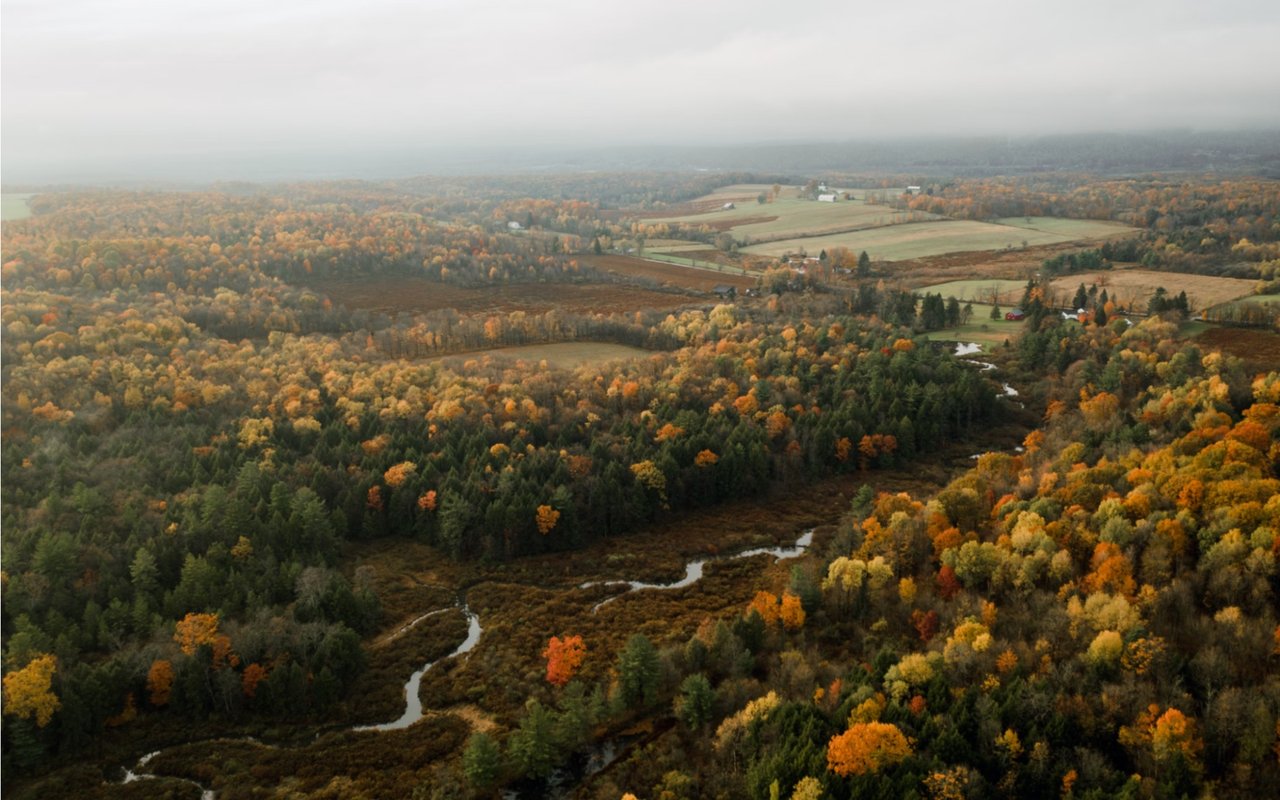
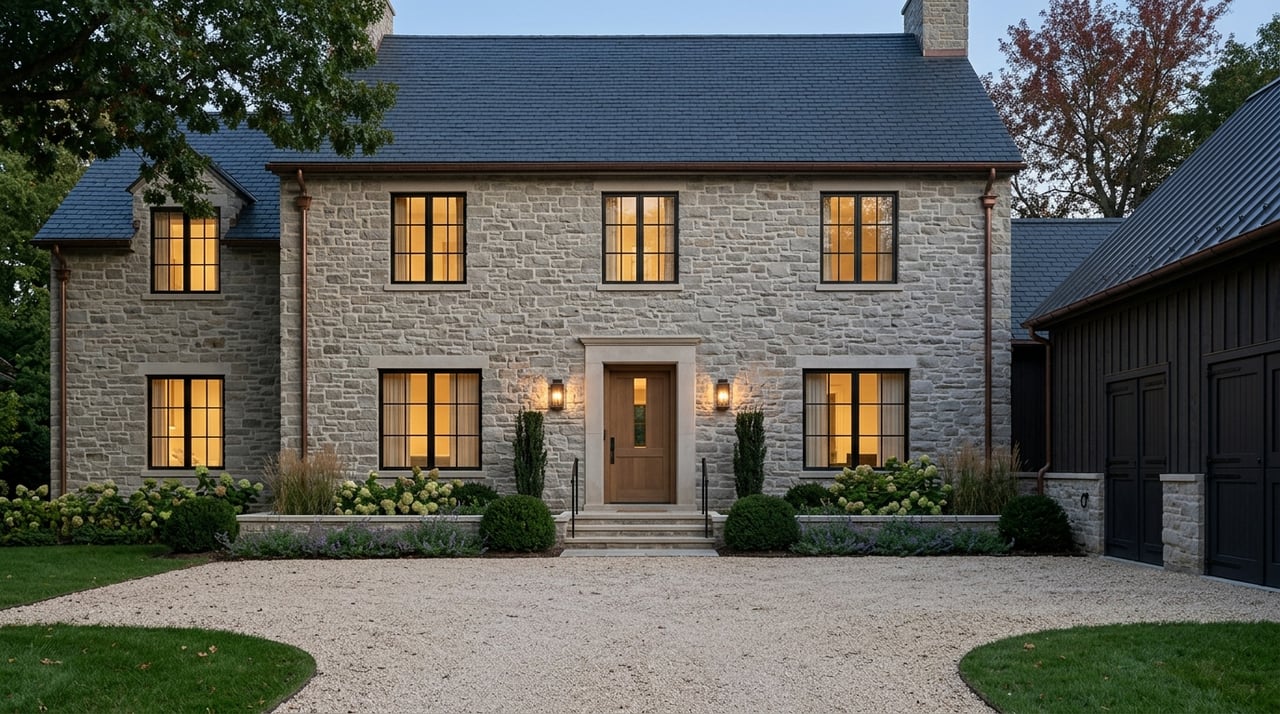
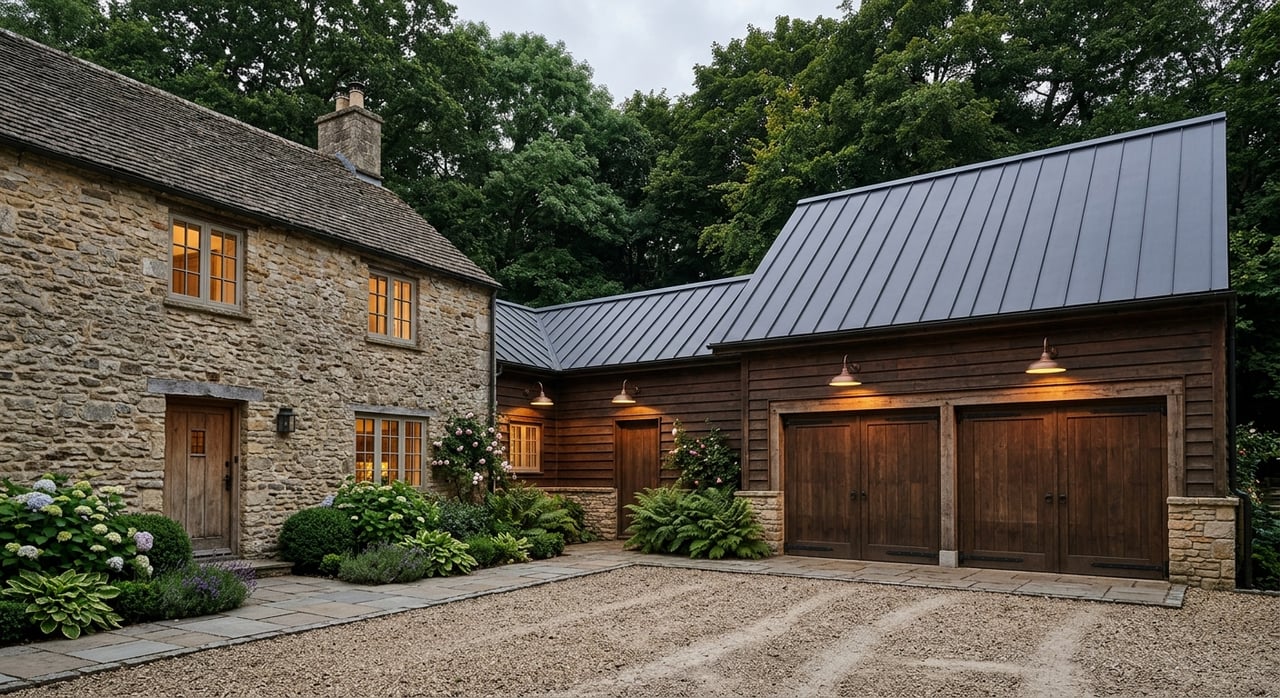
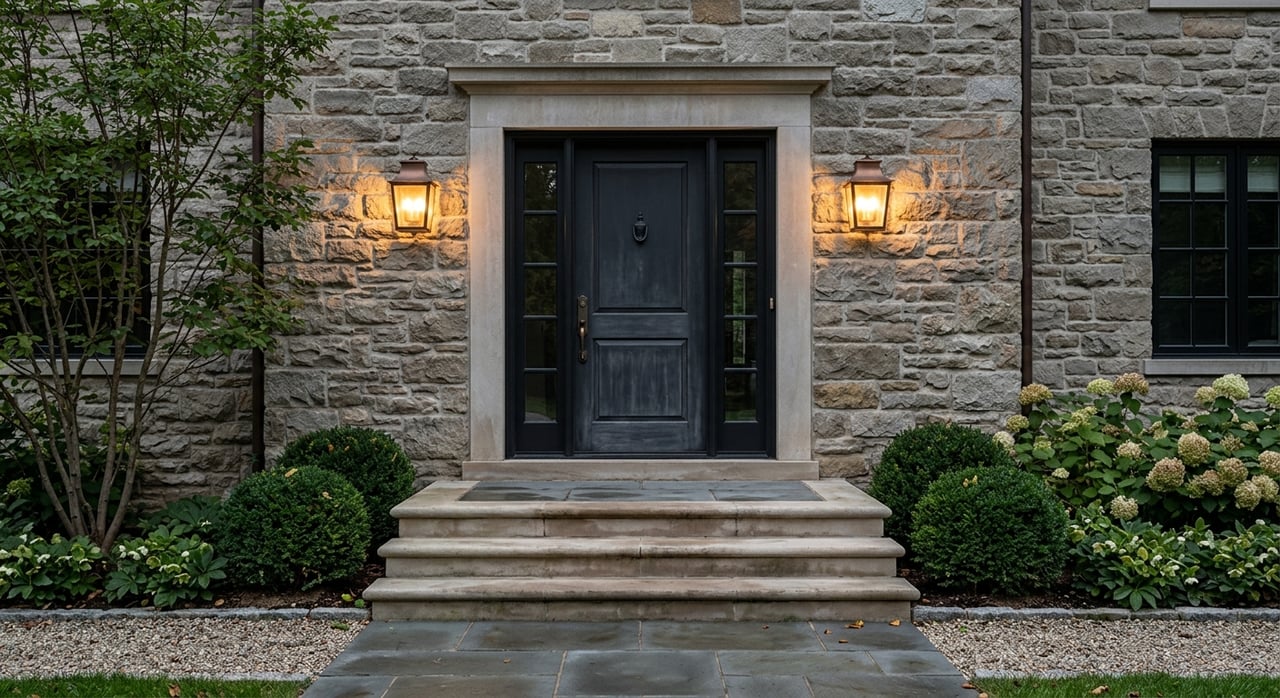
Here in New Hope, Bucks County, and the surrounding region, we're seeing these national trends play out in real time. Whether you own a historic stone farmhouse, a contemporary new build, or a riverside estate, understanding these design directions can help you position your property for maximum value.
Best bets for listings and staging:
Warm neutrals that photograph well and feel current
Natural wood with visible grain
Layered, tunable lighting
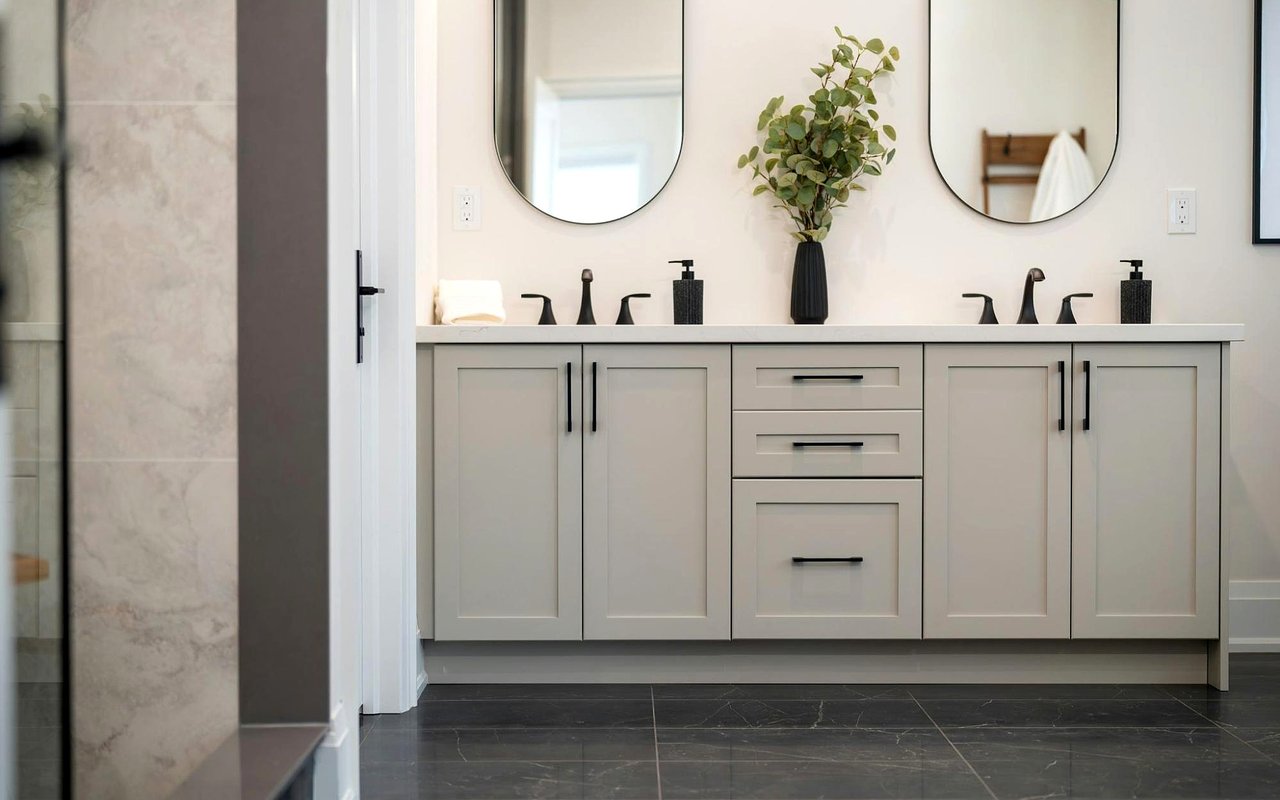
Spa-inspired bathrooms
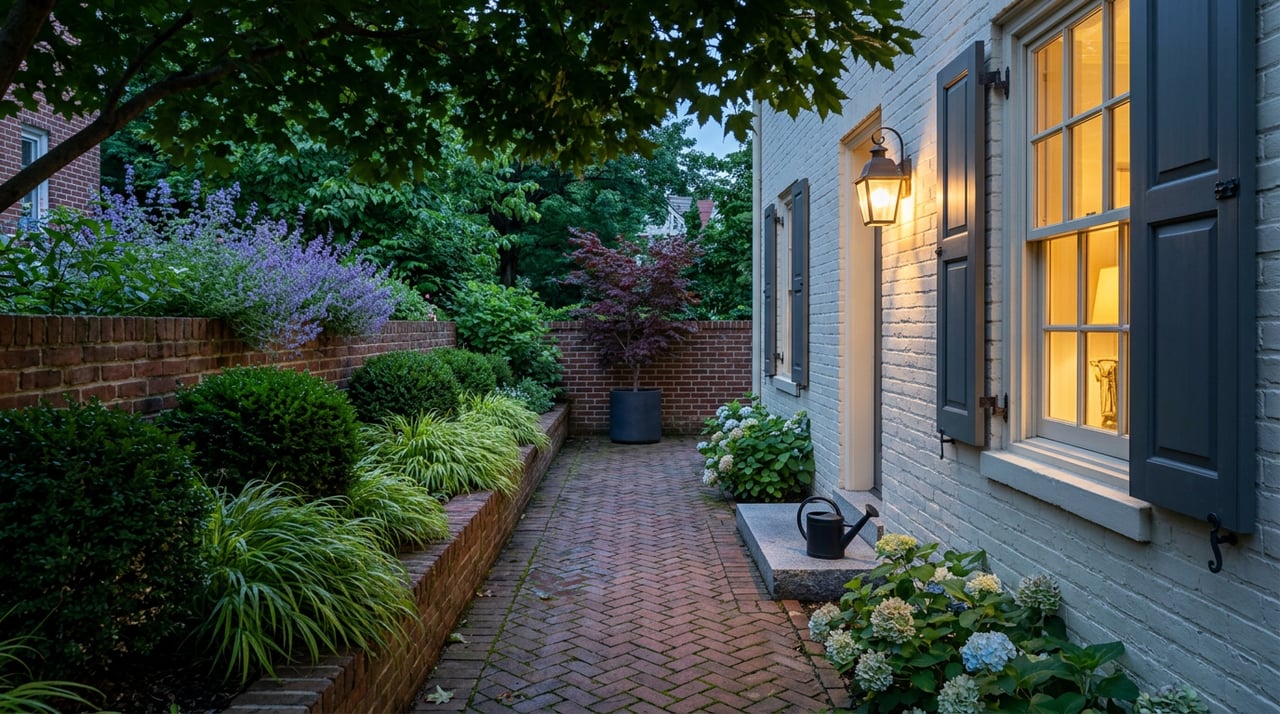
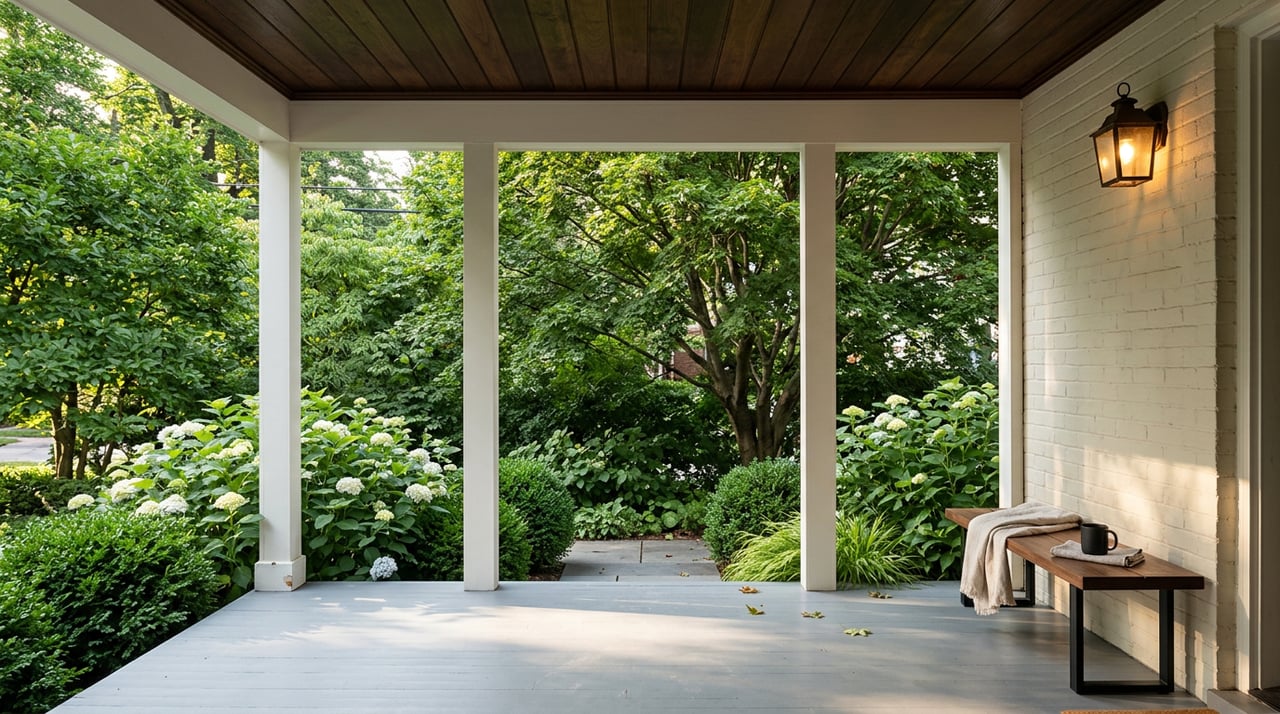
Indoor-outdoor continuity
Invisible smart systems
Value-add renovation priorities:
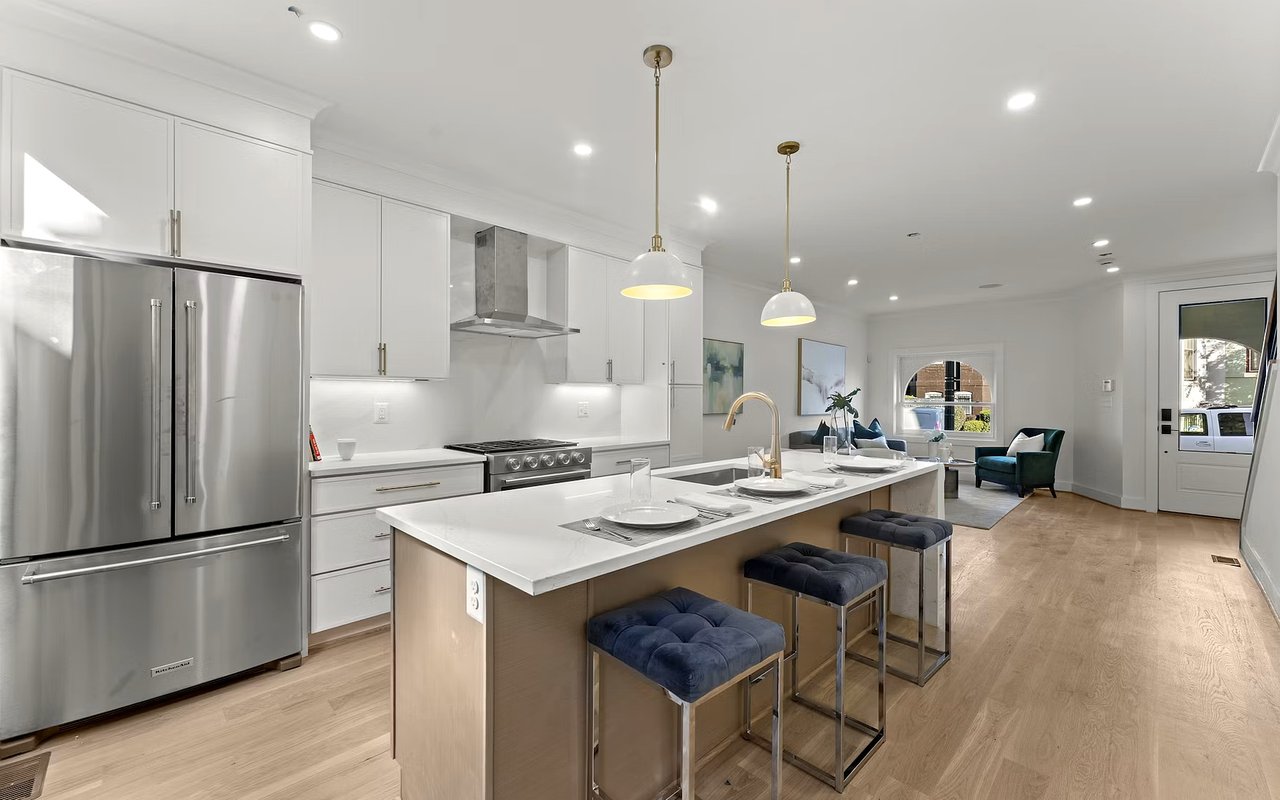
Kitchens that conceal function behind furniture-style cabinetry
Spa-like bathrooms with curbless showers
Wellness suites (sauna, cold plunge, recovery space)
Outdoor living systems that work year-round
Flexible or multigenerational layouts
Wireless smart-home retrofitting
Use with caution:
Bold color drenching, Neo-Deco geometry, lacquer finishes, and maximalist layering are exciting trends — but they should be used in reversible layers for staging and speculation unless the property's architecture naturally suits them.
We Don't Just Open Doors — We Unlock Extraordinary
At B&B Luxury Properties, we believe that real estate is far more than a transaction — it is the art of curating lifestyle, legacy, and place. Our team brings deep Bucks County and New Jersey knowledge paired with relationships extending into New York and international luxury markets.
Whether you're preparing to sell, planning a renovation, or simply exploring what's possible, we invite you to experience the difference of working with a team that leads with vision, operates with integrity, and delivers with intention.
Contact us today to schedule a consultation — and let us help you position your property at the forefront of the market.
Sources: Architectural Digest, Veranda, ASID, NKBA, Lutron, Engel & Völkers, Global Wellness Institute, House Beautiful, Homes and Gardens, 1stDibs, Dezeen, Luxury Travel Magazine, Wallpaper, Elle Decor, MAWD